However, when avoiding a long-running neighbor dispute is important, the additional expense may be worth considering.
Homeowners should compare complete installation costs rather than looking only at the price of the panels.
Who Is Responsible for Maintaining a Boundary Fence?
Another issue that can create tension is maintenance.
A fence may look attractive when first installed, but weather, moisture, sunlight, and ordinary wear can gradually affect its appearance and structural condition.
Wood may require staining, sealing, or replacement of damaged boards. Metal components can rust if they are not properly protected. Vinyl may require cleaning and occasional repairs.
When a fence sits near a property boundary, homeowners should understand who is responsible for maintaining it.
The answer can depend on ownership, the location of the structure, local laws, and any agreement between the neighbors.
For example, if one homeowner installs a fence entirely within their property, responsibility may be different from a situation in which both neighbors jointly own or maintain a boundary fence.
It is also worth considering practical access.
If the structural rails face one yard, that side may be easier to inspect and maintain. If the fence is close to a boundary, one homeowner may not have convenient access to the other side without permission.
These details are easy to overlook during planning.
Before installation, neighbors can discuss how repairs will be handled, whether either person expects to share maintenance expenses, and how access will be arranged if work becomes necessary.
Putting an agreement in writing can be helpful when both parties are sharing costs or responsibilities.
What Should Homeowners Discuss Before Installing a Fence?
A little preparation can prevent a great deal of frustration.
Before purchasing materials or hiring a contractor, homeowners should consider the following issues.
1. Confirm the Property Line
Review available surveys and property documents before deciding where the fence will go.
If the boundary is unclear, consult a qualified surveyor. Do not assume that an existing fence, hedge, or row of landscaping marks the legal boundary.
2. Check Local Construction Requirements
Contact the appropriate local authority to confirm whether a permit is needed and whether restrictions apply to height, materials, placement, or appearance.
If the property is part of a homeowners association, review its rules and obtain any required approval before work begins.
3. Discuss the Fence Design
Show the neighbor the proposed style and explain how each side will look.
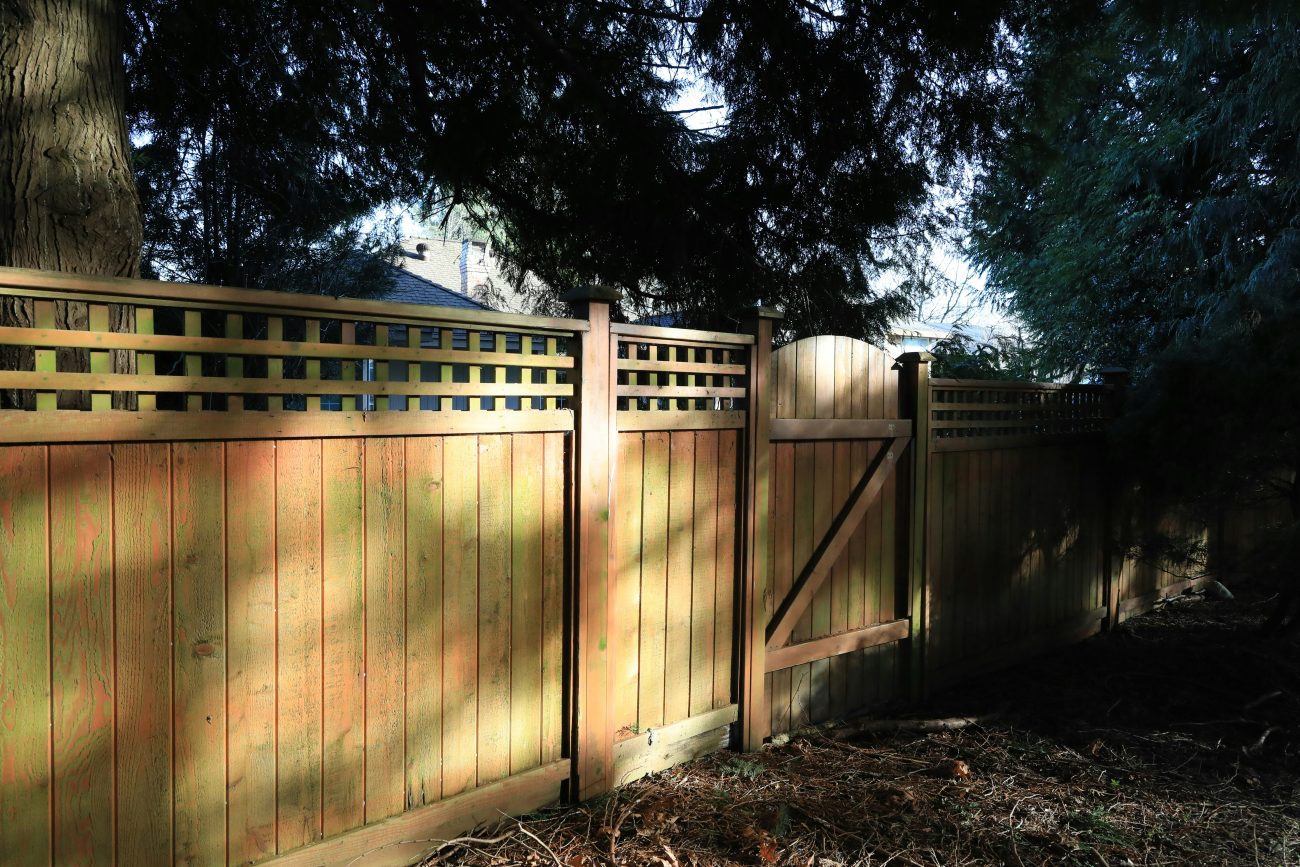
If the fence has one finished side and one exposed structural side, discuss the orientation before construction.
4. Clarify Who Will Pay
If one homeowner is paying for the entire project, explain that clearly.
If both neighbors are contributing, discuss the amount, payment arrangements, and what each person expects in return.
5. Agree on Maintenance
Discuss who will handle repairs, cleaning, staining, or replacement if the fence becomes damaged.
This is especially important when both homeowners will use or benefit from the structure.
6. Keep Important Agreements in Writing
A simple written agreement can help prevent misunderstandings later.
It may include the fence location, design, cost-sharing arrangement, maintenance responsibilities, and any agreed-upon exceptions.
For more complicated boundary or ownership questions, homeowners may need advice from a qualified local professional.
How to Avoid Turning a Small Disagreement Into a Long-Term Feud
Neighbors do not have to become close friends to maintain a respectful relationship.
However, they do have to live with the consequences of decisions made near their homes.
A disagreement over a fence can become personal surprisingly quickly. One homeowner may interpret a decision as disrespectful, while the other may feel that their property rights are being challenged.
Once emotions take over, the original issue can become much harder to resolve.
