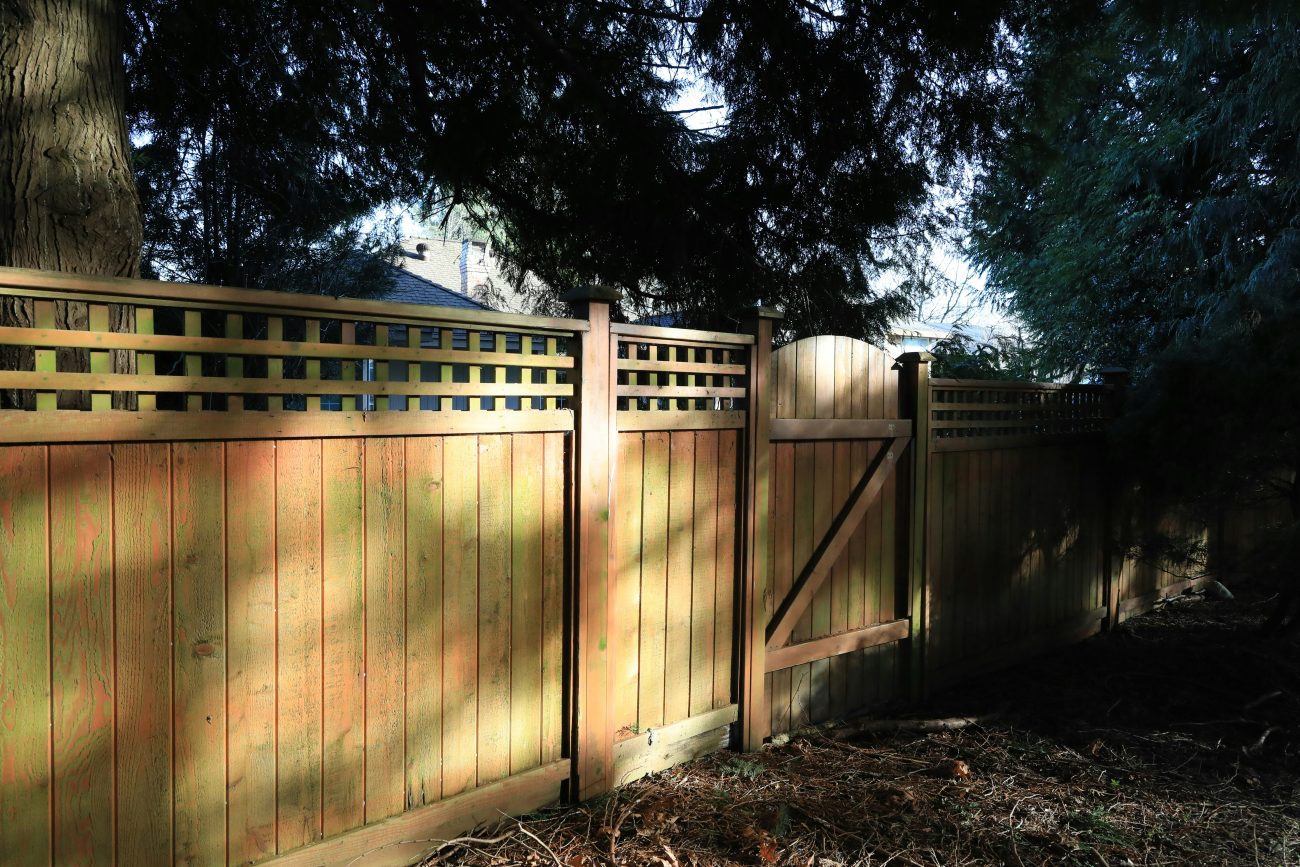
A fence installed even slightly beyond the owner’s property line can create a dispute involving encroachment or unauthorized use of neighboring land.
Before construction, homeowners should review their property documents and any available survey showing the legal boundaries.
If the boundary is uncertain, obtaining professional assistance from a qualified surveyor may help prevent a costly mistake.
This step becomes especially important when a fence is being replaced along an established boundary or when neighboring homeowners disagree about the exact location.
It is also important to understand that installing a fence on a boundary line may create different legal considerations from installing one entirely within a person’s property.
Depending on local law, boundary fences may involve rules about ownership, maintenance, consent, and shared expenses.
A homeowner should not assume that an old fence establishes the exact legal property line or that a neighbor’s silence automatically means permission has been granted.
Confirming the boundary before construction can save both parties considerable frustration.
What If the Neighbor Objects to the Fence?
A disagreement does not necessarily mean that construction must stop permanently.
Often, the problem begins because one homeowner makes a decision without discussing it with the person next door.
The neighbor may feel ignored, particularly if the fence will change the appearance of their yard or affect how they use their outdoor space.
A calm conversation before installation can prevent many of these problems.
For example, the homeowner planning the project could explain the proposed design and ask whether the neighbor has any concerns about the orientation.
The discussion does not need to become a negotiation over every detail. Sometimes, simply explaining the plan and listening to the other person’s perspective is enough.
If the neighbor strongly prefers the finished side facing their yard, the homeowners can discuss whether that arrangement is possible.
They might agree to share some of the expense, choose a different design, or install a fence that looks attractive from both sides.
What matters is reaching an understanding before either person spends money or begins work that may be difficult to reverse.
If the disagreement involves the legal boundary, ownership, or construction requirements, it may be necessary to consult a local professional rather than trying to settle the matter through assumptions.
A Double-Sided Fence May Be the Easiest Solution
Traditional fencing isn’t the only available option.
Some modern fence designs are manufactured to provide a finished appearance on both sides. Depending on the material and construction, these options can reduce or eliminate the visual difference between neighboring properties.
<escape>They are sometimes marketed as “good-neighbor fences,” double-sided fences, or privacy fences with finished surfaces on both sides.</escape>
<AsyncImageGroup query={[“double sided wooden privacy fence both sides finished”,”good neighbor horizontal wood privacy fence residential backyard”,”vinyl privacy fence attractive both sides”]} aspectRatio=”5:4″ layout=”carousel”/>
These designs can be especially useful when two neighbors have different preferences about which side should face their property.
Instead of deciding who receives the more attractive side, both homeowners can enjoy a cleaner appearance.
Possible options include:
Double-sided wooden fencing: Some designs use alternating boards or specially arranged panels to create a finished appearance on both sides.
Vinyl privacy fencing: Many vinyl fence systems have a consistent appearance from either direction, although the exact finish depends on the product.
Horizontal privacy fencing: Certain modern horizontal designs can provide a more balanced appearance, depending on how the boards and supports are arranged.
Decorative panel fencing: Some prefabricated panels are designed with finished surfaces on both sides, making them suitable for visible boundary areas.
These alternatives may cost more than a basic traditional fence. They can also differ in durability, maintenance requirements, privacy, and installation complexity.
