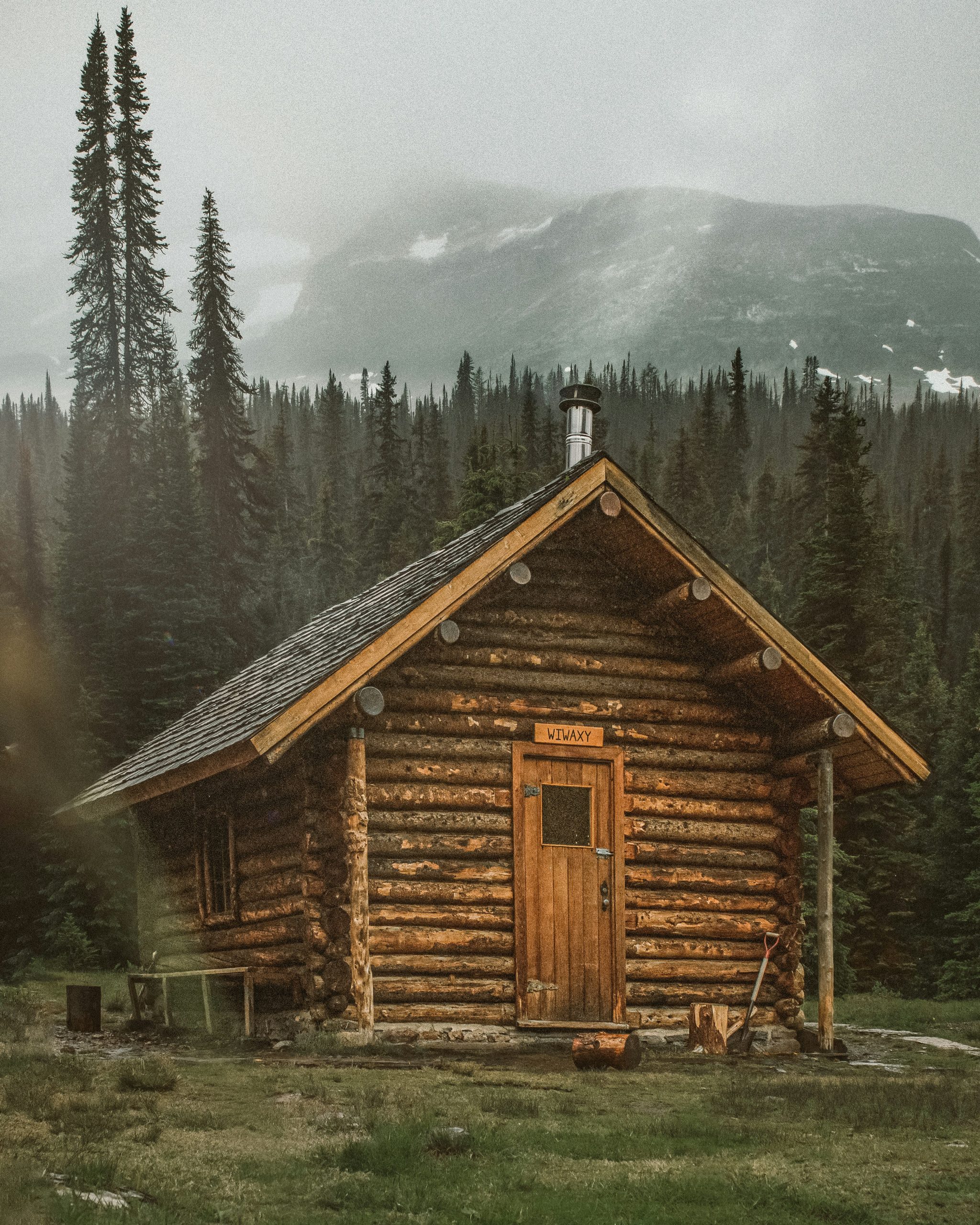
Cabin condition and maintenance: Traditional log buildings can require specialized care. Buyers should investigate the condition of the timber, roofing, foundations, drainage, and any signs of moisture or wood deterioration. The historic cabin may warrant particular attention from an inspector familiar with traditional log construction.
Utilities and year-round comfort: Water supply, wastewater arrangements, electricity, heating, insulation, and internet availability can make a substantial difference to the property’s usability. The presence of cabins does not establish which utilities or modern conveniences are available.
Waterfront access and flood risk: Properties near creeks and ponds should be evaluated for drainage, erosion, flood exposure, and safe access. Local flood maps and a qualified inspection can help establish the relevant risks.
Property boundaries and island access: Buyers should confirm the legal boundaries of the land, the status of the island, and any easements or access rights affecting the waterfront.
Permitted uses: A property that works well as a private retreat may not automatically qualify for short-term rentals, commercial lodging, events, or other business activities. Local requirements should be reviewed before making financial projections based on those uses.
Ongoing costs: Woodland maintenance, waterfront upkeep, insurance, repairs, and the care of two separate buildings can add to the cost of ownership.
These considerations do not diminish the property’s appeal. They help determine whether its distinctive features align with a buyer’s budget, expectations, and intended use.
A Rustic Retreat Defined by Its Natural Surroundings
What makes this Vanceburg property stand out is the combination of elements rather than any single feature.
The spruce cabin offers one expression of rustic design, while the historic hand-hewn log cabin contributes traditional craftsmanship and a different architectural character. Oak, walnut, and cherry accents add warmth to the interiors, and the surrounding landscape provides an appealing contrast between moving water, still water, and mature woodland.
Kinniconick Creek, its natural rapids, and the private island introduce a distinctive waterfront setting. The pond provides a quieter focal point, while the trees create an atmosphere that feels removed from the pace of everyday life.
For people who appreciate cabin architecture and outdoor surroundings, that combination can be compelling.
The property may be imagined as a peaceful weekend escape, a place to gather with loved ones, or a private retreat for those who enjoy spending more time in nature. Its actual suitability for those purposes will depend on the cabins’ condition, available facilities, access, and applicable local requirements.
Ultimately, the appeal of a retreat like this comes from the opportunity to experience a different rhythm of life. Instead of filling every hour with activity, visitors can spend time beside the creek, appreciate the woodland, or enjoy the distinctive character of the cabins.
In a world where daily routines often demand constant attention, a setting that encourages people to slow down can be attractive in its own right.
Would you prefer the historic hand-hewn log cabin or the spruce cabin for a quiet weekend surrounded by water and woodland?
