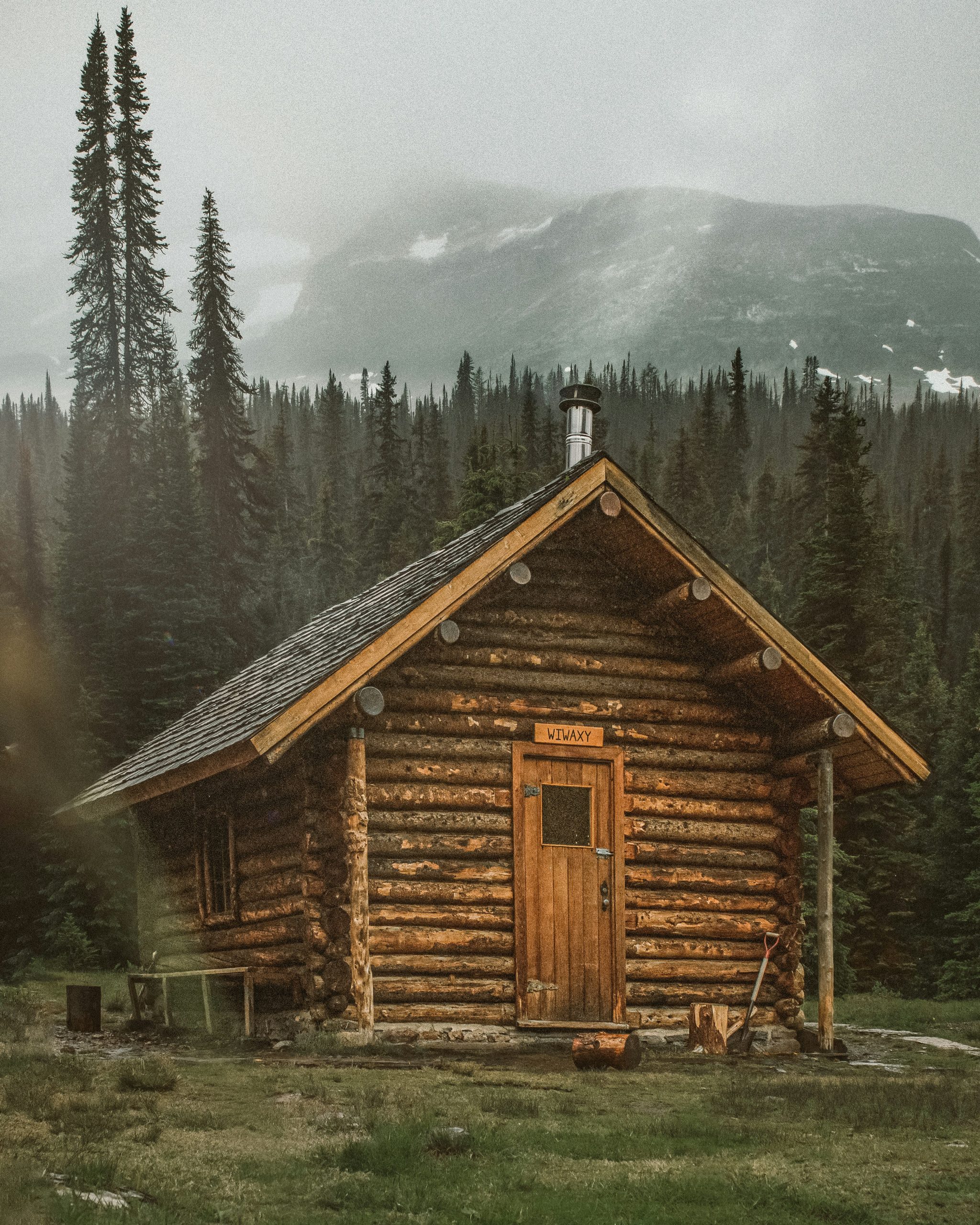
Two Rustic Cabins, a Private Island, and a Scenic Creek Make This Vanceburg Retreat a Nature Lover’s Dream
Some properties stand out because of their size or modern amenities. Others capture attention through something more timeless: the feeling of being surrounded by nature, the character of traditional architecture, and the opportunity to step away from the demands of everyday life.
This secluded waterfront retreat in Vanceburg offers a combination of features that can be difficult to find in one setting. Two individual cabins, a winding creek, a peaceful pond, and mature woodland create a landscape that feels designed for those who appreciate privacy, outdoor recreation, and the simple pleasures of rustic living.
The property’s appeal goes beyond its natural surroundings. One cabin features spruce construction, while the other is a historic hand-hewn log cabin with a traditional character that reflects an earlier style of building. Together, the structures offer a distinctive blend of rustic design and individuality.
Outside, Kinniconick Creek provides a scenic focal point, with natural rapids separating portions of the waterway and creating a private island. The pond offers a quieter contrast, while the wooded surroundings provide a backdrop for exploring the outdoors at a more relaxed pace.
For anyone who appreciates traditional cabins and waterfront scenery, this Vanceburg retreat illustrates why properties with a strong connection to nature continue to hold such appeal.
Two Cabins With Distinctive Rustic Character
One of the most interesting features of the property is the presence of two separate cabins, each with its own architectural identity.
Rather than presenting a single building as the entire focus, the retreat offers two structures that contribute different elements to its overall character.
A Spruce Cabin With Natural Warmth
The first cabin features spruce construction, giving it a traditional rustic appearance that complements the surrounding trees and landscape.
Wood has long been associated with cabin architecture because of its natural texture, visual warmth, and ability to create a connection between indoor spaces and the outdoors. Spruce, with its characteristic grain and lighter appearance, can contribute to an interior that feels welcoming without requiring elaborate decorative elements.
In a setting like this, the surrounding landscape becomes part of the experience. The appeal lies in the relationship between the building and its environment rather than in a collection of flashy finishes or contemporary design features.
The cabin’s rustic character may particularly appeal to people who prefer natural materials and a more relaxed atmosphere.
A Historic Hand-Hewn Log Cabin
The second cabin brings a different kind of character to the property.
Its hand-hewn log construction reflects traditional building techniques in which logs were shaped by hand to create more suitable surfaces for construction. The resulting appearance can differ significantly from that of modern milled-log buildings, giving traditional log cabins a distinctive visual identity.
The marks and variations associated with hand-shaped timber can contribute to a sense of craftsmanship and history. Rather than seeking a perfectly uniform finish, this style celebrates the natural character of the wood.
The cabin’s historic designation in the property description adds to its appeal, although its precise age, provenance, and historical significance would need to be confirmed through property records if those details are important to a prospective buyer.
For someone drawn to traditional architecture, a historic log cabin can offer an atmosphere that newer buildings may find difficult to reproduce.
Together, the two cabins provide architectural variety while maintaining a consistent connection to the natural surroundings.
Warm Wood Details Create an Inviting Interior
The interiors continue the property’s rustic theme through the use of oak, walnut, and cherry accents.
Each type of wood has its own visual qualities. Oak is often appreciated for its pronounced grain and durability, walnut for its rich, darker tones, and cherry for its warm color, which can deepen with age and exposure to light.
