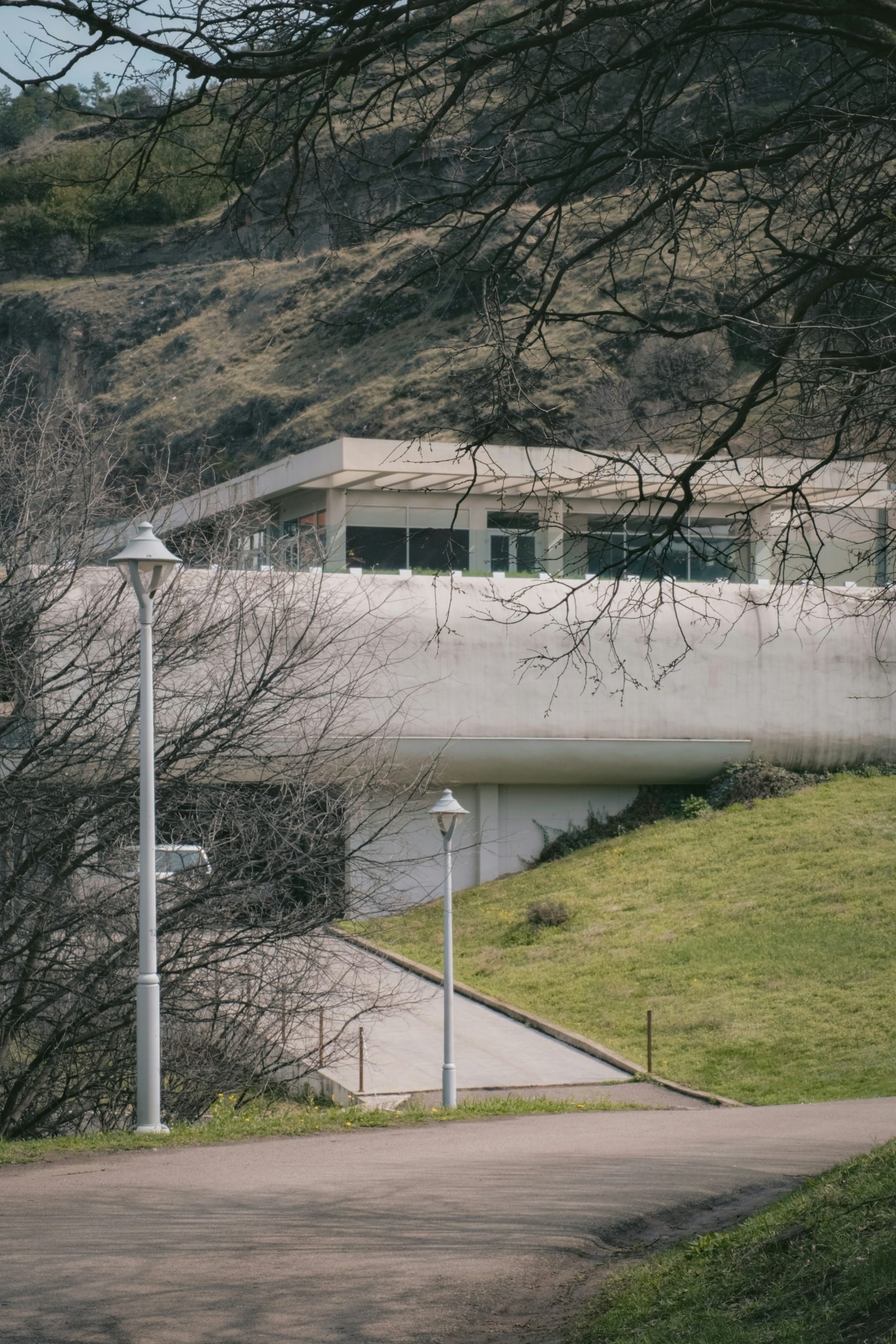
The windows may be one of the property’s greatest attractions, but preserving them could also become one of its more complicated expenses.
Nearly 3,000 Square Feet With Three Bedrooms and Three Bathrooms
The reported size of the home is another reason the asking price sounds so surprising.
With approximately 3,000 square feet, three bedrooms, and three bathrooms, the property appears to offer considerable space. Its unconventional layout could provide opportunities for large common areas, private rooms, or creative uses that might be difficult to achieve in a more traditional house.
However, square footage does not automatically translate into comfortable or usable living space.
The condition of the rooms, the placement of walls, the availability of natural light, and the state of essential systems all matter. A large home with unfinished interiors can require far more work than a smaller property that is already functional.
The rounded walls may also affect how certain rooms can be furnished. Standard cabinets, wardrobes, kitchen units, and other fixtures are generally designed for straight walls. A renovation that respects the original curves could require custom-built solutions.
For buyers who appreciate unusual architecture, that may be part of the appeal. For someone seeking a straightforward renovation, it could quickly become frustrating.
The Interior Tells a Different Story
The exterior suggests a bold architectural vision, but the supplied description portrays the interior as unfinished and in need of substantial attention.
This contrast is central to the property’s appeal—and its risk.
A house can have an extraordinary design and still be a difficult place to live. Unfinished surfaces, deteriorating materials, outdated systems, or neglected structural elements can turn an apparently affordable purchase into a major financial commitment.
A buyer would need to determine which features can be restored, which require replacement, and whether the building is fundamentally sound.
The most important question is not simply how the rooms could look after renovation. It is what condition they are actually in today.
That distinction can determine whether a project is manageable or financially unrealistic.
Why a $65,000 Asking Price May Not Be a Bargain
A low purchase price naturally attracts attention, particularly when a property offers substantial square footage and an unusual design.
But the purchase price is only one part of the total cost of owning and restoring a house.
In this case, the reported $65,000 asking price should be treated as an initial figure, not proof that the property represents an inexpensive housing opportunity.
Several major expenses could influence the final investment.
Structural Repairs
The unusual curves and cylindrical section would need careful examination. A structural engineer should assess the building’s load-bearing components, foundation, roof, and any signs of movement or deterioration.
Repairs to unconventional structures may require specialized contractors and custom solutions.
Windows and Exterior Sealing
The large glass sections deserve particular attention. Damaged frames, failing seals, leaks, or custom replacement requirements could add substantial costs.
Water entering around windows can also damage nearby walls, floors, and structural materials if the problem has continued for an extended period.
Roofing and Drainage
The roof and surrounding drainage systems should be inspected for leaks, deterioration, and inadequate water management.
A visually unusual roofline may require specialist maintenance, particularly if standard roofing materials and techniques are not suitable for the structure.
Electrical, Plumbing, and HVAC Systems
A renovation should include a complete assessment of the electrical wiring, plumbing, heating, and cooling systems.
If these systems are outdated, incomplete, or unsafe, they may need significant upgrades before the property can be occupied comfortably.
Permits and Local Requirements
Depending on the location and scope of the work, renovations may require building permits, inspections, and approval from local authorities.
