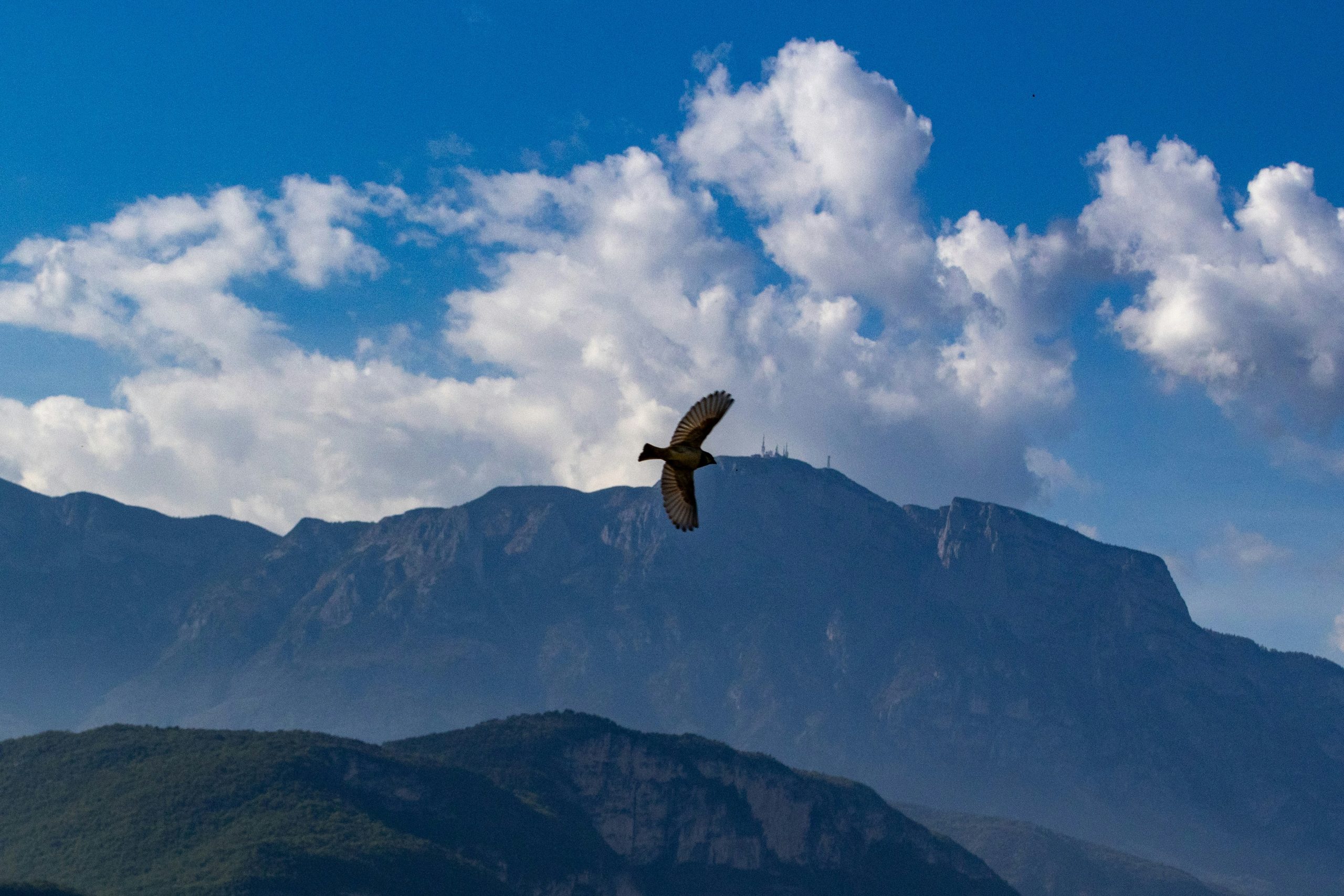
Scientists Track an Eagle for Years to Understand Its Mysterious Journeys. What GPS Data Can Really Reveal
Eagles have fascinated people for centuries. Their impressive wingspans, extraordinary eyesight, and ability to travel across vast landscapes make them some of the most recognizable birds of prey. But even experienced wildlife researchers cannot follow an eagle everywhere it goes. A bird may disappear beyond a mountain range, cross a remote valley, or travel hundreds of miles before returning to a familiar territory.
That is where modern tracking technology has transformed the study of these powerful birds.
By fitting selected eagles with lightweight GPS transmitters, scientists can collect information about their movements over extended periods. The resulting data can reveal where an eagle travels, which habitats it uses, how its behavior changes with the seasons, and which environmental conditions may influence its survival.
The idea of an eagle being monitored for more than 20 years is particularly intriguing. A tracking record that long could potentially reveal changes across much of an animal’s life. However, without the bird’s identity, the researchers involved, or an original scientific report, there is no reliable basis for claiming that one particular eagle was tracked for two decades or that its movements baffled scientists throughout that time.
What is well established is that long-term tracking has uncovered remarkable details about eagle behavior—and has helped conservationists understand why protecting these birds requires looking far beyond their nesting sites.
Why Scientists Attach GPS Trackers to Eagles
Studying an eagle in the wild presents several challenges.
Unlike animals that remain within a relatively small area, many eagles use enormous territories. They may spend hours soaring above forests, mountains, grasslands, and open countryside. Some populations also travel considerable distances between breeding and wintering grounds.
A researcher observing an eagle near its nest might learn about its feeding habits or breeding behavior. But that observation alone cannot explain where the bird goes after leaving the area.
GPS tracking provides a much broader picture.
A small transmitter, generally attached using a carefully designed harness, records the bird’s geographical position at programmed intervals. Depending on the equipment, the device may also collect information about altitude, movement, or other aspects of its behavior. Data can be transmitted through satellite or mobile networks, while some devices store information for later retrieval.
Researchers can then place the recorded coordinates on a map and reconstruct the bird’s movements.
This information can help answer questions such as:
- How large is an eagle’s home range?
- Does it return to the same feeding locations?
- How far does it travel during different seasons?
- Which habitats does it use most frequently?
- Does it change its behavior when food becomes scarce?
- Are roads, power lines, wind farms, or other human activities affecting its movements?
These questions matter because conservation is not simply about protecting a nest or a single piece of land. An eagle may depend on a much larger network of feeding grounds, resting places, and safe travel corridors.
What Long-Term Tracking Can Reveal
A few weeks of observations can provide useful information, but they may capture only a small part of an eagle’s life.
Long-term monitoring allows scientists to compare movements across seasons and years. It can reveal whether a bird follows a consistent routine or changes its behavior as it matures, breeds, or encounters different environmental conditions.
For example, a young eagle may travel widely while searching for a suitable territory. An established adult may use a more familiar area, particularly during the breeding season. Food availability, weather, and competition with other birds can also influence how far an individual travels.
Researchers need enough observations to distinguish normal seasonal behavior from an unusual change.
