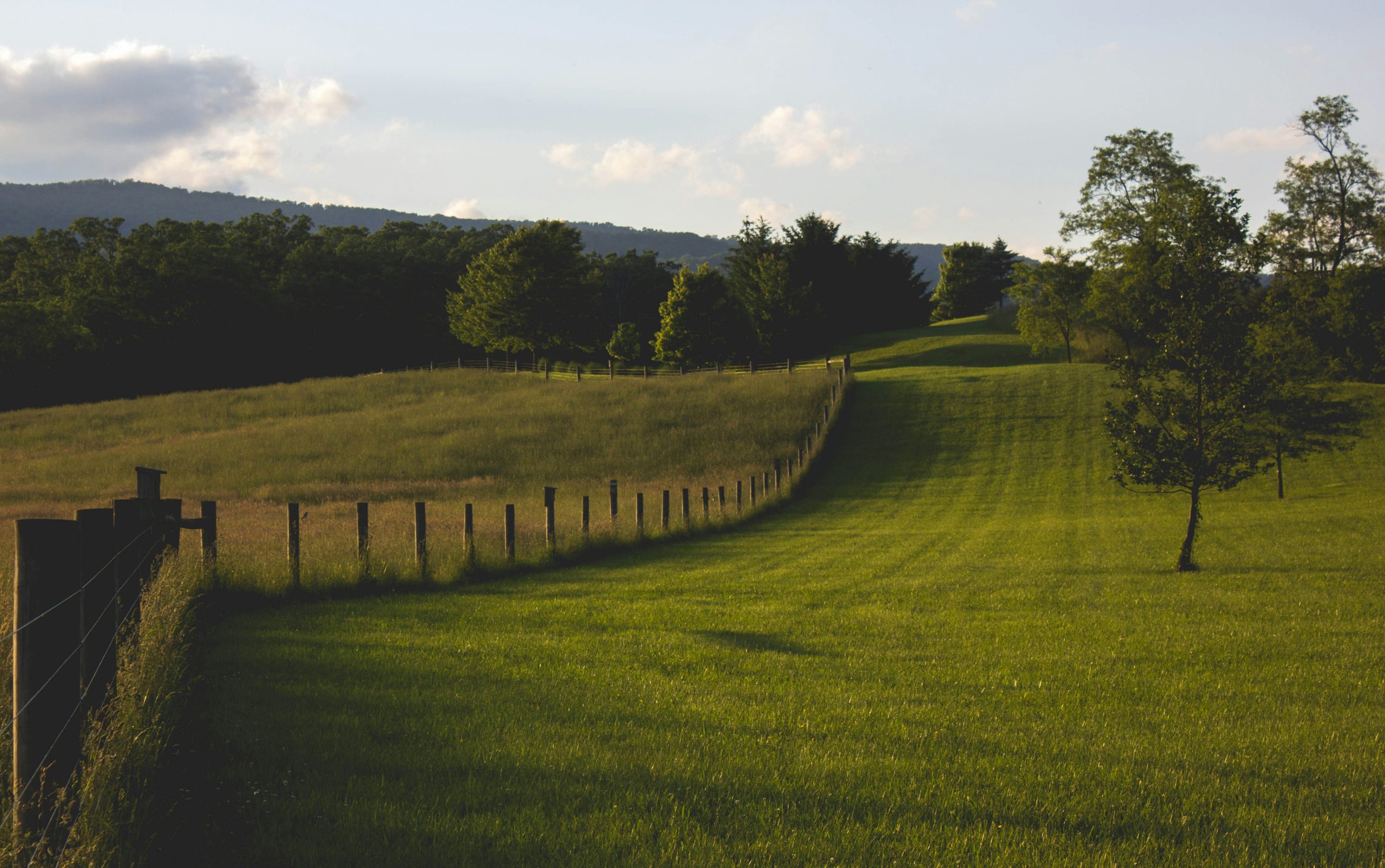
A productive garden can provide fresh vegetables throughout the growing season while reducing the need to purchase certain items at the grocery store.
Southwest Virginia’s landscape offers opportunities for gardening, although success depends on local soil conditions, sunlight, drainage, elevation, and the length of the growing season.
Starting With a Vegetable Garden
A relatively small garden can produce a surprising amount of food.
Tomatoes, peppers, beans, squash, potatoes, garlic, and leafy greens are among the crops that many home gardeners consider.
Raised beds can be useful where the soil needs improvement or where better drainage and easier access are desired.
In-ground gardens may be more practical for larger planting areas, especially when the soil is suitable.
Before planting, it is worth testing the soil to determine its pH and nutrient levels.
Adding compost and other appropriate organic materials can help improve soil structure and support healthy plant growth.
Establishing Fruit Trees and Berry Patches
A small orchard can become one of the most rewarding long-term additions to a homestead.
Depending on the site’s conditions, apple and pear trees may be worth considering. Some varieties of peaches and other fruit trees may also be suitable.
Blackberries and raspberries can provide seasonal harvests, while blueberries may grow well in appropriately acidic soil.
Choosing varieties suited to the local climate is essential.
Fruit trees also require planning for pollination, pruning, pest management, and protection from wildlife.
Although an orchard takes time to mature, it can provide harvests for many years once established.
Extending the Growing Season
A greenhouse or simple hoop house can help gardeners protect certain crops from cold weather and extend the growing season.
These structures can be particularly useful for starting seedlings, growing cool-season vegetables, and protecting plants from unexpected temperature changes.
They don’t eliminate the challenges of mountain weather, but they can give a gardener more flexibility.
The Satisfaction of Preserving What You Grow
Growing food is only part of the homesteading experience.
Preserving the harvest allows families to enjoy their work long after the growing season has ended.
Homegrown tomatoes can become sauces and canned vegetables. Berries can be frozen or turned into jams. Cucumbers and green beans can be preserved through appropriate pickling methods.
Dehydrating, freezing, and fermenting are other options for managing seasonal harvests.
A well-organized pantry can become one of the most satisfying parts of a rural home.
However, food preservation requires proper equipment and safe methods. Canning low-acid foods, for example, requires a pressure canner and tested procedures to reduce the risk of foodborne illness.
For new homesteaders, learning the basics before attempting large batches is an important step.
Country Living Without Being Completely Isolated
One concern people sometimes have about moving to a rural property is the possibility of becoming too isolated.
A beautiful home in the countryside can lose some of its appeal if every trip to the grocery store, doctor, or hardware shop requires a long drive.
Galax offers a useful balance for people who want a rural setting while remaining connected to a local community.
The city provides everyday services, shopping opportunities, restaurants, and access to local businesses.
Healthcare facilities and pharmacies are also important considerations for anyone planning a permanent move.
The surrounding region has a strong connection to agriculture, music, traditional crafts, and outdoor recreation. Community events and local markets can provide opportunities for newcomers to meet residents and become part of the area’s social life.
For someone moving from a larger city, the adjustment may take time. But rural living does not necessarily mean giving up every convenience of modern life.
What Buyers Should Check Before Purchasing a Mini Farm
A property with a creek, fencing, a spring-fed water system, and a barn can look like an ideal opportunity.
