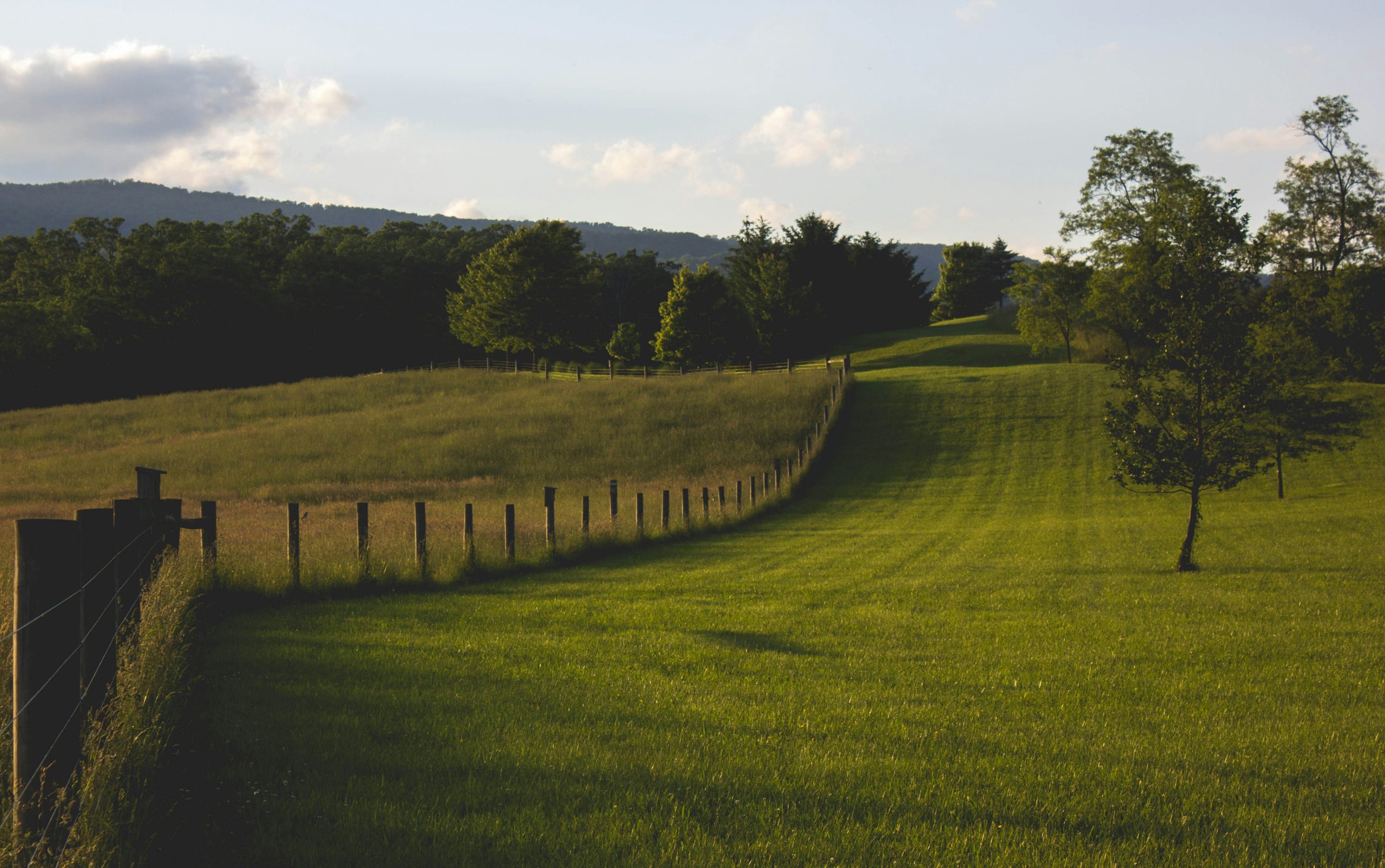
For a small farm, dependable water can be particularly valuable.
Animals need regular access to clean drinking water, while gardens and fruit trees may require irrigation during dry periods.
However, buyers should not assume that a spring-fed system automatically provides unlimited or safe drinking water.
Before purchasing, it is important to establish:
- Whether the spring produces enough water throughout the year.
- Whether the system relies on gravity, pumps, or electrical equipment.
- Whether water storage is available.
- Whether the water has been tested for bacteria and other contaminants.
- Whether the source remains reliable during prolonged dry weather.
- Whether the system has been properly maintained.
These details can make a significant difference in the property’s long-term usefulness.
A natural water source can be a valuable advantage, but its actual capacity and quality should always be verified.
A Natural Creek Brings Beauty and Practical Considerations
Perhaps one of the most appealing features of the property is the creek that winds through the land.
Running water adds a special atmosphere to a rural setting. The sound of a creek moving over rocks, the shade along its banks, and the wildlife it attracts can make an ordinary afternoon feel like a retreat.
For families, a creek can also become a favorite place to explore nature.
Children may enjoy watching small fish, observing insects, or learning about the plants and animals that live near the water.
For adults, the creekside area can offer a quiet place to sit, read, or enjoy the outdoors.
The Ecological Value of Creekside Land
Creeks and their surrounding vegetation can support a variety of wildlife.
Trees and shrubs along the banks provide shade, shelter, and food for birds and other animals. These areas can also help protect the waterway by reducing erosion and filtering some runoff before it reaches the stream.
The land immediately surrounding a creek is often referred to as a riparian zone.
Although these areas can be attractive for gardening and landscaping, they require thoughtful management.
Planting too close to the water, removing established vegetation, or allowing livestock unrestricted access can contribute to erosion and water-quality problems.
Buyers should also investigate flood history, drainage, and any applicable restrictions involving the creek and its banks.
A beautiful water feature is a wonderful asset, but understanding its limitations is part of responsible rural ownership.
A Small Barn and Outbuildings Make Farm Life More Practical
A mini farm needs more than a house and open pasture.
Tools, animal feed, gardening equipment, machinery, and harvested crops all require storage. Without suitable outbuildings, even a relatively small agricultural operation can become difficult to manage.
The property is described as having a small barn, which could serve several purposes depending on its current condition and layout.
Shelter and Storage for Animals
A barn can provide protection from heavy rain, cold weather, and intense summer heat.
Depending on its design, it may also accommodate feeding areas, temporary animal separation, or storage for hay and other supplies.
Proper ventilation, drainage, and structural condition are important considerations.
A barn that looks attractive from the outside may still require repairs before it can safely accommodate livestock.
Space for Tools and Equipment
Additional outbuildings can make a significant difference in how efficiently a property operates.
A workshop or tool shed can provide space for lawn equipment, fencing tools, hand tools, and other essential supplies.
A separate storage area may be useful for garden materials, seeds, pots, and irrigation equipment.
For people who enjoy woodworking, repairing machinery, or building their own projects, an existing outbuilding can also become a valuable workspace.
The possibilities depend on the available structures, their condition, and whether they can legally be adapted for the intended use.
Growing Your Own Food and Creating a Productive Garden
For many people, the appeal of a mini farm comes down to one simple idea: being able to grow more of their own food.
