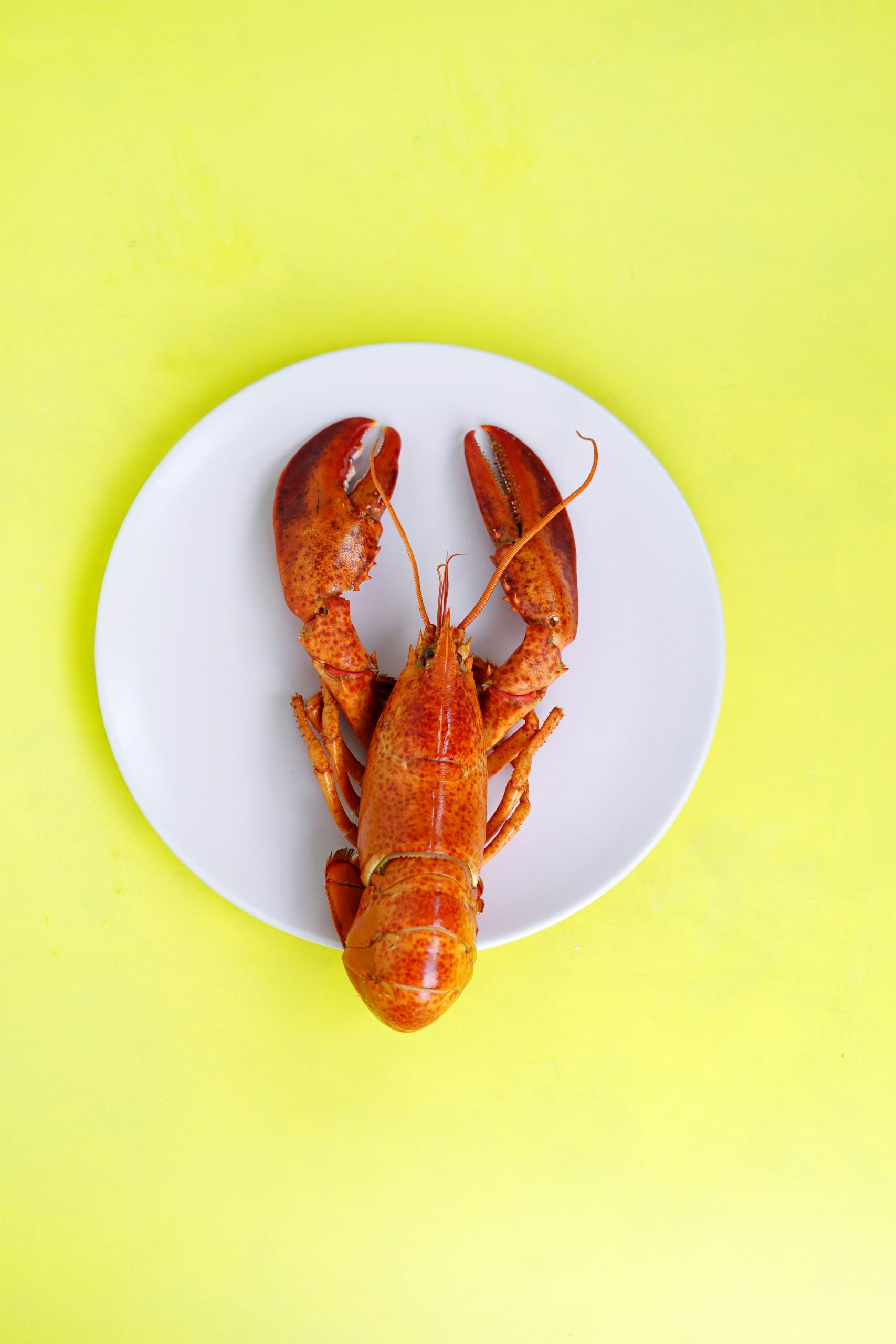
Tomalley can be spread thinly on toasted bread, mixed into certain seafood sauces, or used to deepen the flavor of a lobster dish.
Its richness comes partly from its fat content and concentrated flavor. When incorporated into a sauce, it can add a depth that is difficult to reproduce with ordinary butter alone.
However, not everyone enjoys it. Some people find its flavor too strong, while others dislike its soft texture or prefer to eat only the familiar white meat.
There is no culinary requirement to eat tomalley to enjoy lobster. The tail, claws, and other edible muscle meat offer plenty of flavor without it.
The Important Food-Safety Concern: Toxins Can Accumulate in Tomalley
Despite its culinary appeal, tomalley raises a legitimate food-safety concern.
Because the hepatopancreas is involved in digestion and nutrient processing, certain contaminants and naturally occurring toxins may accumulate in it at levels that differ from those found in the lobster’s muscle meat.
One concern is exposure to harmful algal blooms, sometimes associated with events commonly called red tides. During these events, certain microscopic algae can multiply rapidly and produce toxins that enter the marine food web.
Marine animals may take in these toxins through their food. Depending on the toxin involved and the species, harmful substances can accumulate in particular tissues.
In lobsters, tomalley can contain elevated concentrations of certain contaminants or algal toxins. That means the internal gland may present a different level of risk from the white meat most people eat.
The specific danger depends on several factors, including the type of toxin, the location where the lobster was harvested, and the conditions in the surrounding marine environment.
It would be misleading to suggest that every lobster contains dangerous levels of toxins. However, it would be equally misleading to assume that tomalley is always safe simply because it looks normal or comes from a reputable seafood market.
Can Eating Tomalley Make You Sick?
The risk depends on whether harmful substances are present and, if so, in what concentration.
Certain marine biotoxins can cause serious illness in humans. Some are associated with neurological symptoms, while others may produce gastrointestinal or other effects.
Paralytic shellfish poisoning, for example, is caused by saxitoxins and related compounds associated with particular harmful algal blooms. Symptoms can include tingling or numbness, weakness, and, in severe cases, difficulty breathing.
However, it is important not to confuse the risks associated with different seafood toxins. Not every harmful algal bloom produces the same toxin, and not every toxin causes the same illness. The presence of a red tide does not automatically mean every lobster from every coastal area is contaminated.
The practical concern is that a contaminated lobster’s tomalley may contain toxins even when the animal appears healthy and the tissue looks normal.
Another important point is that ordinary cooking does not reliably eliminate all marine biotoxins. Boiling a lobster thoroughly can help make its meat safe from many ordinary foodborne pathogens, but it should not be treated as a dependable way to neutralize harmful algal toxins.
For that reason, avoiding tomalley is a sensible precaution, particularly when authorities have issued relevant seafood advisories.
Does Buying Lobster From a Trusted Store Make It Safe?
Purchasing lobster from an established seafood supplier is a good starting point, but it does not eliminate every potential risk.
Commercial fisheries and food-safety authorities use monitoring programs and harvest restrictions to help keep contaminated seafood out of the market. These measures are especially important when harmful algal blooms or other environmental hazards affect coastal waters.
Still, seafood safety depends on the location and conditions under which the animal was harvested, as well as the effectiveness and scope of the applicable monitoring program.
