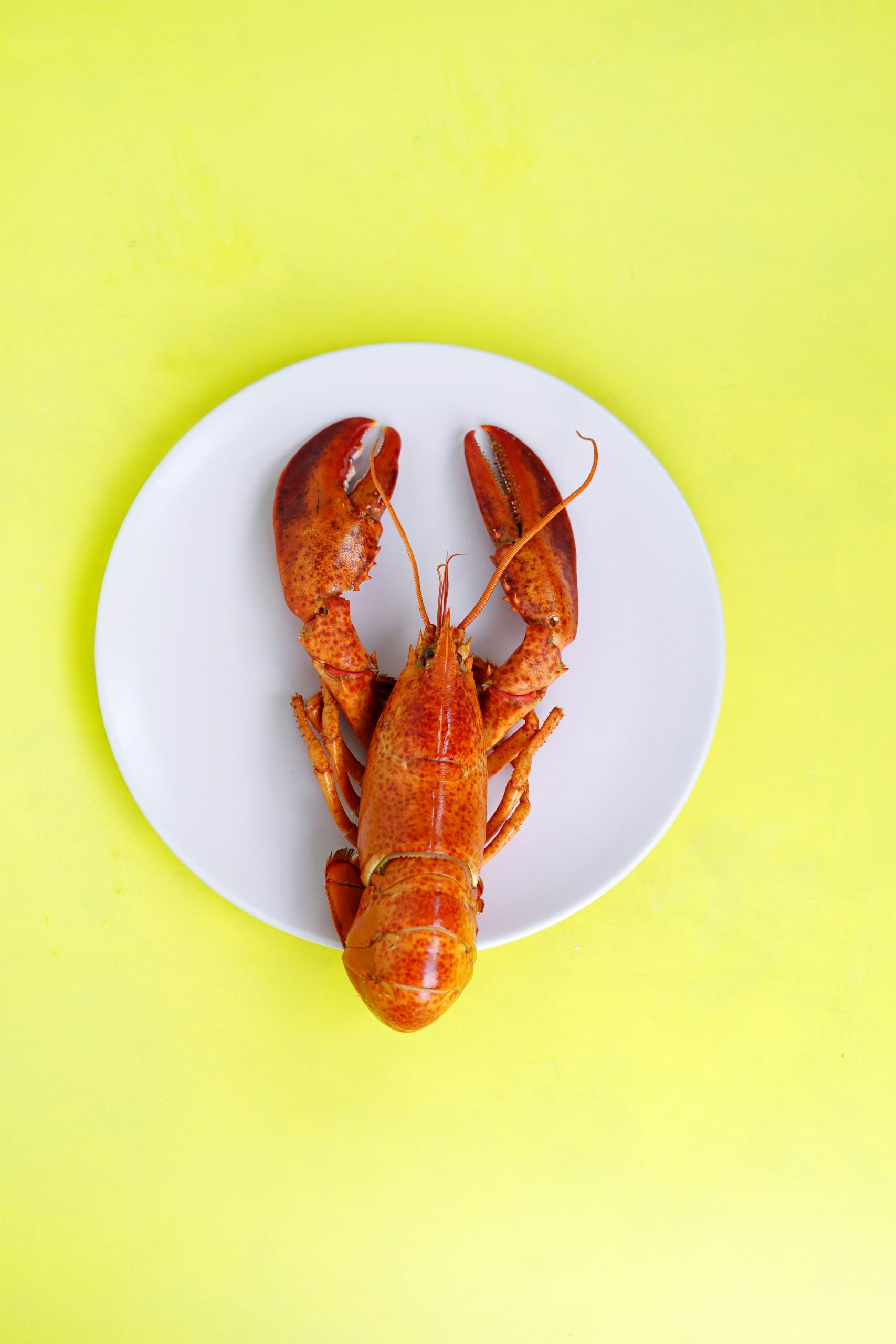
That Green Stuff Inside a Lobster Has a Name—and There’s a Reason to Be Careful Before Eating It
If you have ever cracked open a freshly cooked lobster and discovered a soft, green substance tucked inside the shell, you may have wondered what you were looking at. Is it part of the lobster’s digestive system? Is it safe to eat? And why do some seafood lovers consider it a delicacy while others avoid it altogether?
The answer lies in a little-known part of lobster anatomy called tomalley.
Often described as the lobster’s liver and pancreas combined, tomalley is a soft digestive gland that plays an important role in processing food and storing nutrients. Its distinctive green color and creamy texture have made it a traditional ingredient in some seafood dishes, particularly along the Atlantic coast.
But there is another side to this culinary curiosity. Tomalley can also accumulate certain environmental contaminants and naturally occurring toxins, making its safety a concern in some circumstances.
Understanding what tomalley is, why people eat it, and when caution is necessary can help you make a more informed decision the next time lobster appears on your dinner table.
What Exactly Is the Green Substance Inside a Lobster?
The green material found inside a cooked lobster is known as tomalley. It is a digestive gland called the hepatopancreas, an organ that performs several functions associated with the liver and pancreas in humans.
Rather than having separate organs that handle every digestive task, lobsters rely on this multifunctional gland to help break down food, absorb nutrients, and store energy.
Tomalley is usually soft and creamy, with a color ranging from yellowish green to deep olive. Its appearance can vary depending on the individual lobster and its biological condition.
Although the color may look unusual to someone unfamiliar with lobster anatomy, it is a normal part of the animal.
The important distinction is that tomalley is not the same as the lobster’s meat. The familiar white meat found in the tail, claws, and legs consists primarily of muscle tissue. Tomalley, by contrast, is an internal organ with a different texture, flavor, and food-safety profile.
That difference matters when deciding which parts of a lobster to eat.
Why Does Tomalley Turn Green?
The green color is one of the first things people notice when they open a cooked lobster. Although it can look surprising, the color itself does not automatically mean the lobster is spoiled.
Tomalley contains a mixture of digestive substances, stored nutrients, fats, and pigments. Its appearance can vary with the lobster’s diet and physiological condition.
Lobsters are opportunistic feeders. Depending on their habitat, they may consume mollusks, crabs, fish, worms, and other marine organisms. Their digestive gland helps process this varied diet and manage the nutrients the animal needs to survive.
The resulting tomalley can have a rich, distinctive flavor that differs considerably from the mild sweetness of lobster meat.
It is also important to remember that color alone cannot establish whether tomalley is safe to eat. A normal-looking green substance does not guarantee the absence of harmful contaminants, just as an unusual shade does not automatically prove that the lobster is unsafe.
Food safety depends on more than appearance.
Why Some Seafood Lovers Consider It a Delicacy
For people who enjoy the full flavor of lobster, tomalley can be one of the most distinctive parts of the meal.
Its texture is soft and almost paste-like, while its taste is often described as rich, savory, and intensely marine. Some diners enjoy it on its own, while others incorporate small amounts into sauces and seafood preparations.
In traditional coastal cooking, using more of the animal was often a practical way to make the most of an expensive or hard-won ingredient. Rather than discarding every part that was not muscle meat, cooks found ways to incorporate flavorful internal tissues into their recipes.
