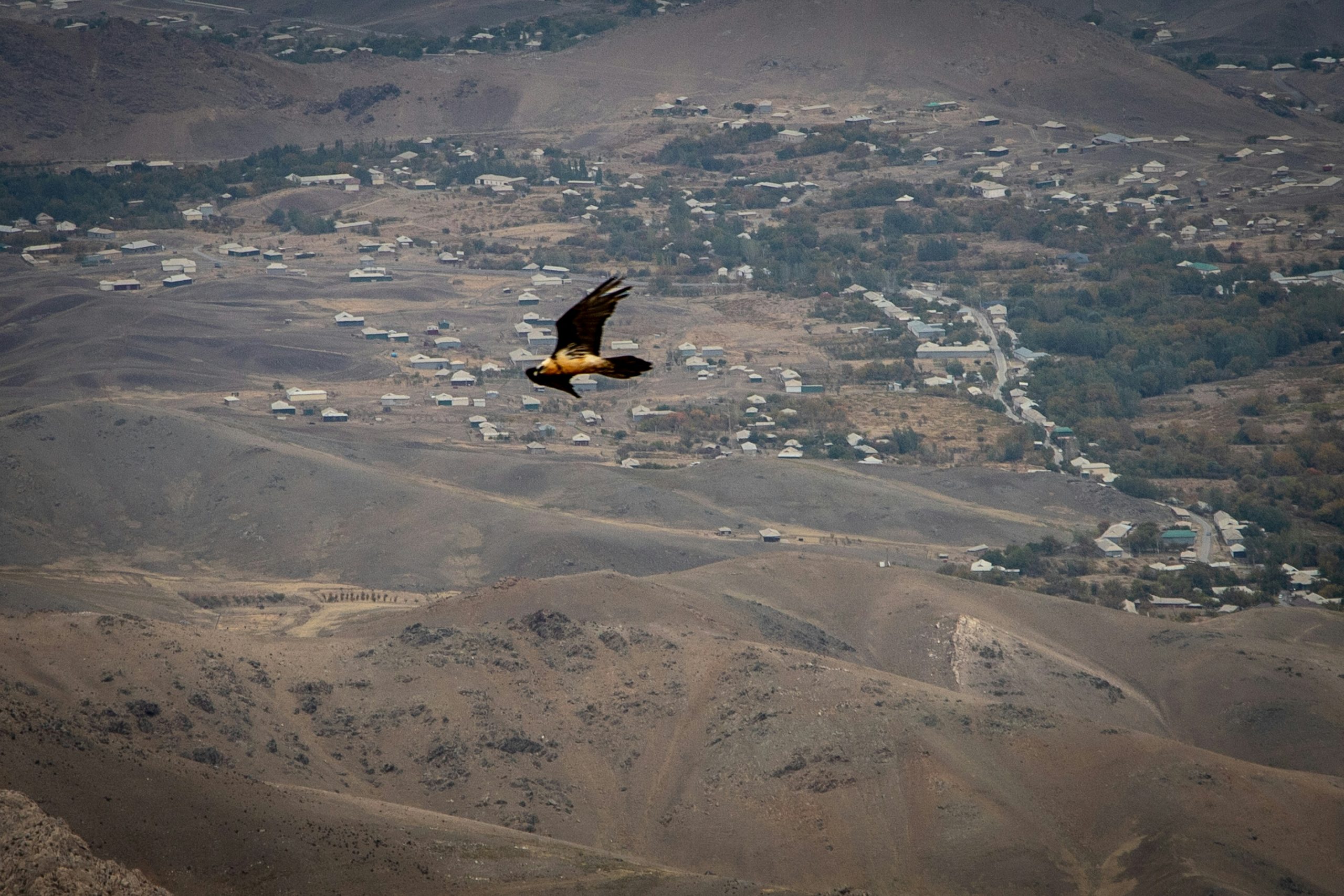
The technology provides valuable evidence, but understanding what that evidence means requires careful analysis.
Why GPS Tracking Matters for Eagle Conservation
Following an eagle across a large geographical area is not simply an interesting scientific exercise.
The information can help protect wildlife.
Eagles depend on suitable habitats for nesting, feeding, resting, and raising their young. Some species use territories that extend far beyond the immediate area surrounding their nests.
A protected nesting site might be safe, but the bird could regularly travel through areas affected by roads, power lines, agricultural activity, or other forms of human development.
Without understanding those movements, conservationists may overlook important threats.
GPS tracking can help identify:
-
Important feeding and hunting locations.
-
Regular movement corridors between habitats.
-
Areas used during different seasons.
-
Locations where human activity may create additional risks.
-
Changes in habitat use over time.
This information can contribute to more effective conservation planning.
For example, if researchers discover that several tracked eagles regularly use a particular area, conservation organizations may investigate whether that landscape needs additional protection.
Tracking information can also help assess whether existing protected areas are sufficient.
A species may depend on several distant locations throughout the year, meaning that conservation efforts must consider a much wider landscape.
Nevertheless, one eagle cannot represent an entire population.
Individual birds can behave differently, and scientists must combine tracking records with population surveys, field observations, habitat assessments, and other evidence before drawing broader conclusions.
What a Tracking Device Can Reveal About an Eagle’s Life
One reason long-term wildlife research is so valuable is that it can provide information about more than geographical movement.
Depending on the tracking equipment and the study design, researchers may investigate different aspects of an animal’s behavior.
Changes in Territory
An eagle may use a familiar area for several years before expanding or changing its territory.
Researchers can compare recorded positions to investigate whether the bird consistently returns to particular locations.
Such information may help explain how individuals use available habitats and respond to environmental changes.
Feeding and Hunting Patterns
GPS data can sometimes help researchers identify areas where an eagle spends considerable time.
When combined with field observations or other tracking information, these locations may provide clues about feeding behavior.
However, a GPS position alone cannot prove that a bird successfully caught prey.
Additional evidence is necessary to interpret what the animal was doing at a particular location.
Seasonal Movements
Some eagle species are migratory, while others remain in the same general region throughout the year.
Even among relatively resident populations, individuals may make substantial movements when environmental conditions change.
Long-term tracking can help scientists distinguish regular seasonal behavior from occasional movements.
Responses to Environmental Change
Changes in temperature, weather, food availability, and habitat conditions can influence wildlife behavior.
By comparing tracking information across several years, researchers may investigate whether an individual changes its movements as its environment changes.
This information becomes especially valuable when studying how wildlife responds to human development and changing natural conditions.
The Limitations of Following a Single Eagle
Although GPS tracking has transformed wildlife research, it is important not to exaggerate what one tracking record can establish.
A single eagle may display unusual behavior that is not typical of other members of its species.
For example, one individual might travel unusually long distances because of its age, circumstances, or local environmental conditions.
That does not mean every eagle behaves in the same way.
Scientists also have to consider the limitations of the equipment itself.
Tracking devices have finite battery capacity, and their performance depends on the technology used. Researchers must select equipment that provides useful information while minimizing its weight and potential effects on the animal.
