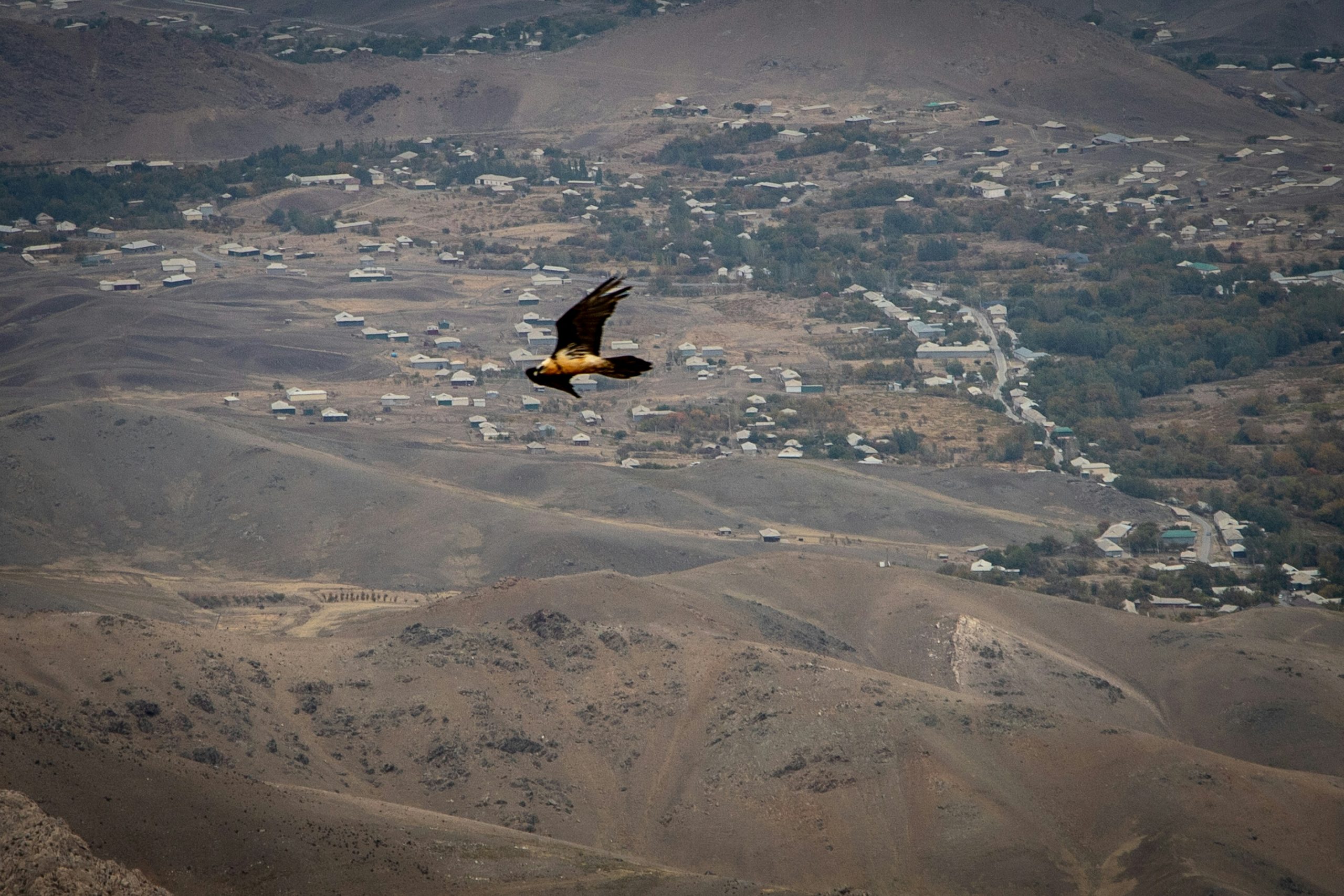
The fitting process also requires care.
Wildlife researchers generally follow established procedures designed to reduce stress and avoid interfering with normal movement or behavior.
Another important consideration is data interpretation.
A collection of geographical coordinates may reveal where an animal has traveled, but it does not automatically explain its motivations.
Understanding why an eagle chooses one location over another often requires additional biological and environmental information.
This is why responsible scientific reporting distinguishes between what researchers directly observed and what they believe may explain those observations.
Could an Eagle Really Be Tracked for More Than 20 Years?
The idea of following one eagle for more than two decades naturally raises questions.
Could a tracking device remain operational for that long? Would the same bird remain under observation throughout the entire period? What would happen if the equipment stopped transmitting?
The answer depends on the specific research project and technology.
Many wildlife tracking devices are designed for long-term monitoring, but their operational lifespan varies according to battery capacity, recording frequency, solar charging capabilities, and environmental conditions.
Some projects also involve replacing or upgrading equipment when necessary.
It is therefore important to distinguish between a research program lasting more than 20 years and a single eagle being tracked continuously for that entire period.
Both scenarios could produce valuable scientific information, but they describe different types of research.
To establish the details of a particular 20-year eagle-tracking story, readers would need the original scientific publication or a reliable report identifying the bird, the researchers, and the tracking period.
Without those details, claims that the eagle confused scientists for two decades should be treated as unverified rather than established scientific findings.
That does not make the underlying science any less interesting.
How Modern Technology Is Changing Wildlife Research
GPS tracking is only one part of the technological transformation taking place in wildlife research.
Scientists increasingly combine several tools to study animals and their environments.
Satellite imagery can help researchers examine changes in forests, wetlands, and other habitats.
Remote cameras can record wildlife activity in locations that are difficult to access.
Acoustic monitoring equipment can help identify animal calls and investigate species presence.
GPS tracking provides another important piece of the picture by revealing where individual animals travel.
When these different sources of information are combined, researchers can develop a more detailed understanding of ecosystems.
For example, tracking data might reveal that an eagle regularly visits a particular valley. Satellite imagery could help researchers examine changes in that area’s vegetation, while field observations might provide information about prey availability.
Together, these findings can offer a much stronger explanation than any single source of information could provide.
Technology does not replace traditional field research. Instead, it gives scientists additional ways to investigate questions that once would have been extremely difficult to answer.
The Bigger Lesson Behind an Eagle’s Journey
There is something naturally fascinating about following an eagle across enormous landscapes.
These birds can travel over mountains, forests, plains, and other challenging environments while using their physical abilities and natural navigation skills to survive.
Modern tracking technology allows researchers to observe parts of those journeys in ways that were unimaginable only a few generations ago.
But the most important discoveries are not necessarily dramatic or mysterious.
Sometimes, they come from years of carefully collected information showing how an animal uses its habitat, responds to changing conditions, and adapts throughout its life.
A single recorded journey may reveal an interesting movement. A series of journeys can uncover seasonal patterns. A long-term research project can provide evidence that helps scientists understand changes across an entire landscape.
That is the real value of wildlife tracking.
Until the specific eagle and research project behind the supposed 20-year mystery are identified, the extraordinary claim should be treated cautiously.
What researchers can demonstrate, however, is that modern tracking technology has opened an important window into the lives of wild birds.
Every carefully documented journey adds another piece to our understanding of the natural world—and helps explain why protecting these remarkable animals requires looking far beyond the places where they build their nests.
