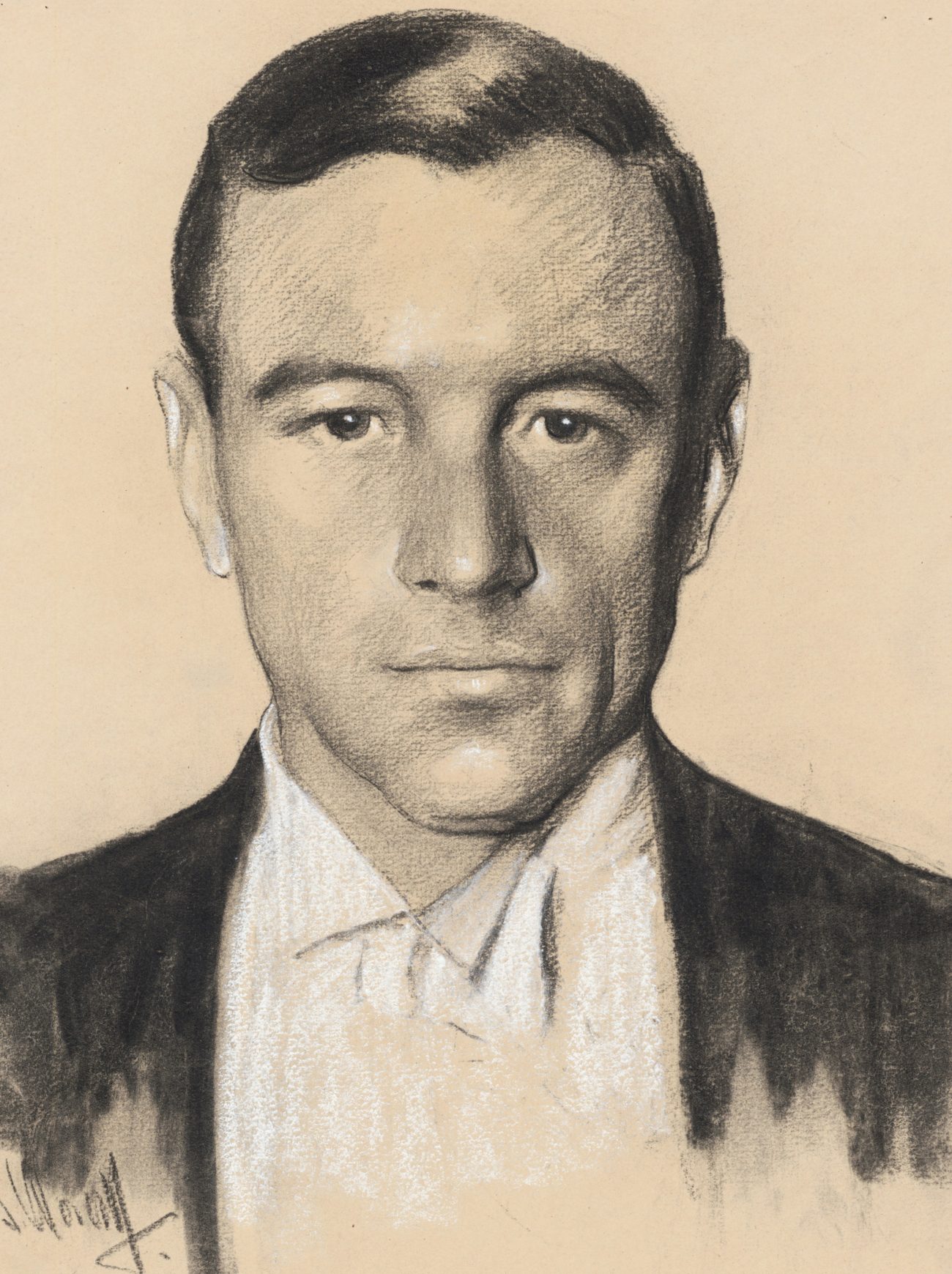
For audiences who discovered him through The Godfather, Gus offered a very different experience.
He was not a quiet adviser working behind the scenes or a military officer commanding a battlefield. He was an aging cowboy whose humor and personality made him feel immediately recognizable.
The performance also demonstrated how naturally Duvall could move between film and television without losing the qualities that made his acting distinctive.
The Apostle Showed That He Was More Than an Actor
Duvall’s ambitions extended beyond performing in projects created by other people.
His work on The Apostle, released in 1997, demonstrated how deeply involved he could become in a story.
He wrote, directed, and starred in the film, playing Sonny, a charismatic Pentecostal preacher whose personal life is in serious trouble.
The character is complicated. He has genuine religious passion, but he is also capable of destructive behavior. His journey involves guilt, reinvention, faith, and the difficulty of facing the consequences of his own actions.
Duvall did not make Sonny an uncomplicated hero.
Instead, he presented a man whose beliefs and behavior do not always align.
That tension gives the story much of its emotional force.
The film received strong critical attention, and Duvall earned an Academy Award nomination for Best Actor.
It also showed how much he valued stories about people who could not easily be classified as entirely good or entirely bad.
He was interested in characters with contradictions.
That interest ran through much of his work, from Mac Sledge in Tender Mercies to Sonny in The Apostle.
Open Range and His Connection to the Western
Another important project in Duvall’s later career was Open Range, the 2003 Western directed by Kevin Costner.
The film follows cattlemen whose way of life brings them into conflict with a powerful landowner.
Duvall played Boss Spearman, an experienced cattleman whose loyalty, toughness, and sense of responsibility help shape the story.
Western characters were a natural fit for an actor who had spent so much of his career exploring complicated American personalities.
But Duvall’s approach was never limited to familiar cowboy imagery.
He brought an understanding of age, experience, and personal history to Boss. The character feels like someone who has spent years making difficult decisions and understands that not every conflict can be resolved without consequences.
His performance helped give the film a strong emotional center.
Alongside Lonesome Dove, Open Range also reflected Duvall’s lasting connection to stories about the American West.
These roles allowed him to explore themes of friendship, independence, responsibility, and the changes that come with time.
A Career Built on Preparation and Commitment
A completed film is what audiences eventually see.
They watch the final performances, remember the dialogue, and discuss the characters long after the production has ended.
But the work that creates those moments happens behind the scenes.
Duvall’s career was shaped by years of training, theater experience, and preparation. His early study under Sanford Meisner gave him a foundation that he carried into his film and television work.
His approach also allowed him to move between different kinds of projects.
He could work in a major Hollywood production, lead a television miniseries, or take on a smaller independent film that required him to become involved in its development.
His work on The Apostle was an especially clear example of that independence.
Rather than waiting for someone else to create the kind of story he wanted to tell, he helped bring the project to life himself.
Duvall also received major recognition beyond the Academy Awards. He was awarded the National Medal of Arts in 2005, and his career included multiple Golden Globe and Emmy honors.
