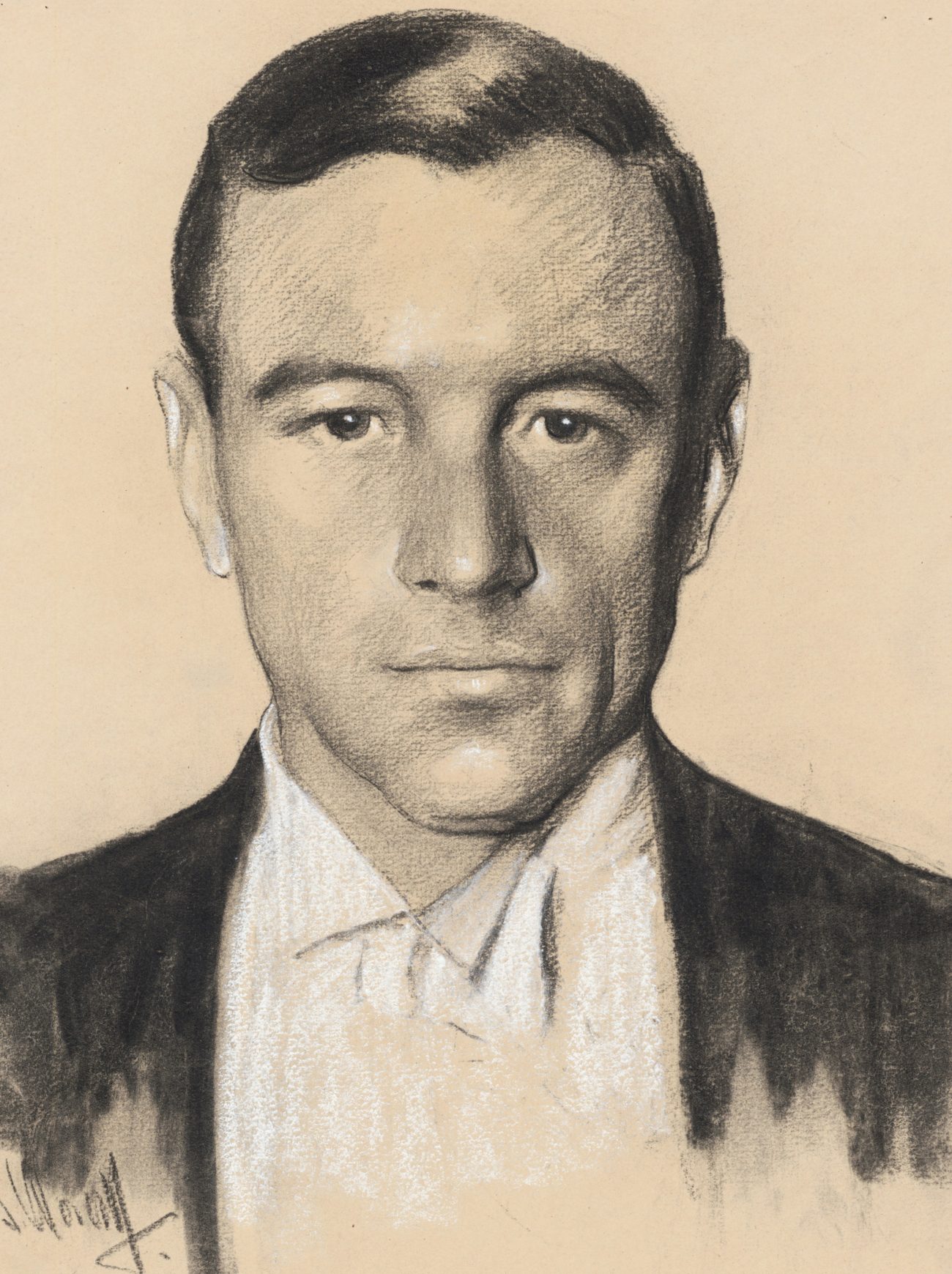
Robert Duvall Remembered After His Death at 95 — The Actor Behind Tom Hagen and Hollywood’s Most Unforgettable Performances
Some actors become famous because audiences recognize their faces. Others leave a deeper impression because, long after a movie ends, viewers continue thinking about the people they brought to life. Robert Duvall belonged to the second group.
Known for portraying characters as different as the thoughtful Tom Hagen in The Godfather and the commanding Lieutenant Colonel Bill Kilgore in Apocalypse Now, Duvall built a career defined by remarkable range, discipline, and an unusual ability to make fictional people feel real.
His work in Tender Mercies brought him the Academy Award for Best Actor, but that honor represented only one part of a career that stretched across film, television, and more than six decades of acting. From the sweeping Western world of Lonesome Dove to the deeply personal drama of The Apostle and the rugged landscapes of Open Range, he repeatedly demonstrated that memorable performances do not depend on playing the same kind of character.
They depend on understanding the person inside the story.
Duvall died peacefully at his home in Middleburg, Virginia, on February 15, 2026, at the age of 95. His wife, Luciana Duvall, shared the news in a statement celebrating not only his achievements as an actor and filmmaker but also the passion he brought to storytelling. His passing marked the end of a remarkable professional journey, but the performances that made him one of America’s most respected actors remain available to audiences around the world.
From San Diego to a Life in Acting
Robert Selden Duvall was born on January 5, 1931, in San Diego, California. His father was a career Navy officer, and Duvall spent much of his childhood in a military family, growing up primarily around Annapolis, Maryland.
His early life did not immediately point toward Hollywood. His father had hoped he might pursue a military career, but Duvall eventually discovered that acting offered something he wanted to devote his life to.
After attending Principia College in Illinois, he served in the United States Army in the years following the Korean War. He enlisted in 1953, spent time stationed at Camp Gordon in Georgia, and was honorably discharged in 1955 as a private first class.
His military service became an important part of the path that led him toward professional acting. After leaving the Army, he used benefits from the GI Bill to study at New York’s Neighborhood Playhouse School of the Theatre.
There, he trained under Sanford Meisner, one of the influential acting teachers of the period.
The school was not simply a place to learn lines or memorize theatrical techniques. It demanded concentration, observation, and an understanding of how people behave. Those principles would become central to the kind of performances Duvall delivered throughout his career.
His early years in New York were not glamorous. Like many aspiring actors, he worked ordinary jobs while pursuing opportunities onstage. He continued developing his craft through theater before the film industry began giving him larger opportunities.
That foundation helps explain why his later performances often felt so grounded. Duvall did not approach a character as an opportunity to display a recognizable acting style. He approached it as a person whose behavior needed to make sense within the world of the story.
His First Screen Appearance Made a Lasting Impression
Duvall made his feature-film debut as Boo Radley in the 1962 adaptation of Harper Lee’s To Kill a Mockingbird.
It was an unusual introduction to a screen career that would eventually include more than eight decades of life and over six decades of professional work.
