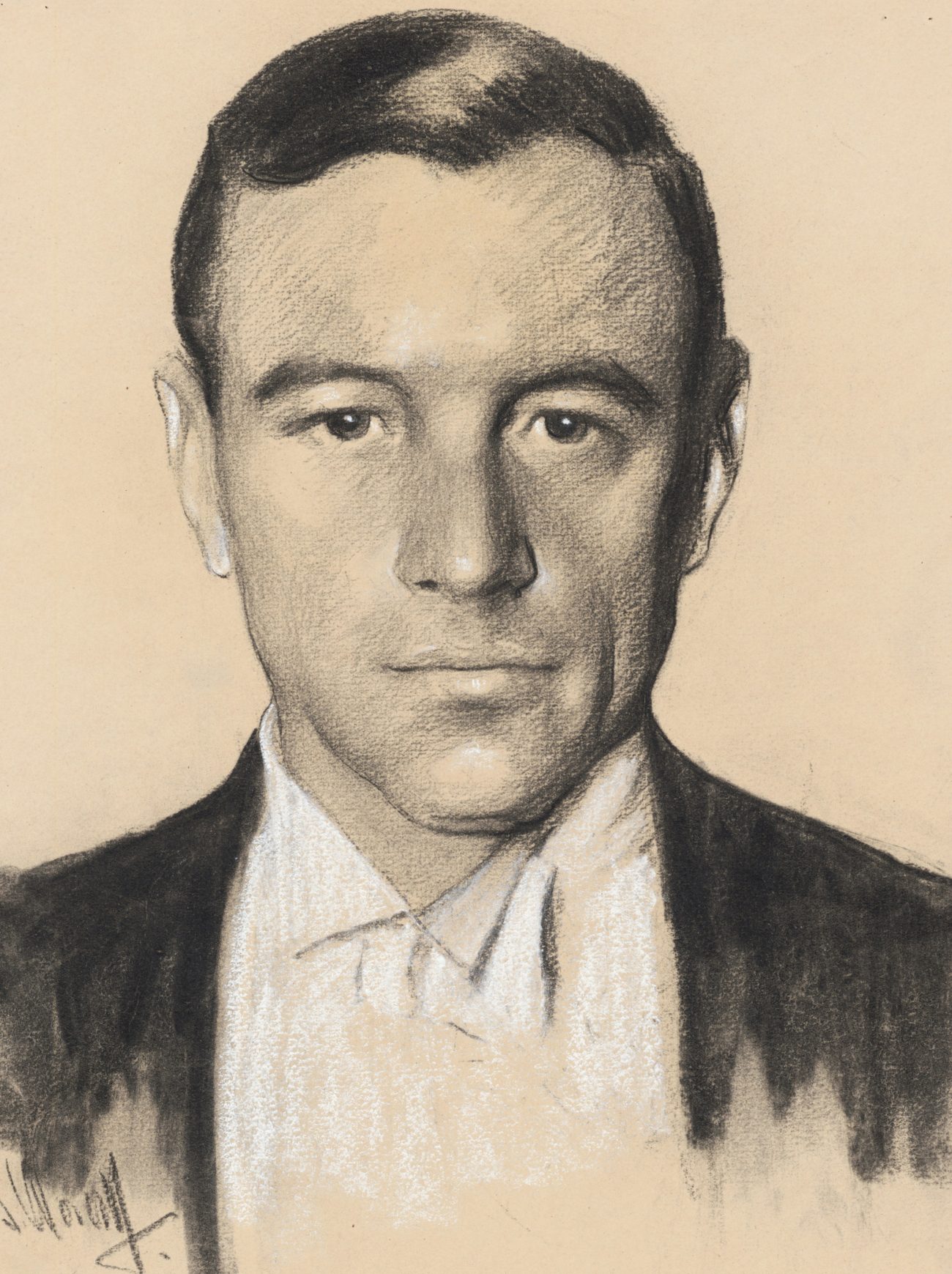
When the audience meets Mac, he is far removed from the fame and success he once experienced. He is attempting to rebuild his life, finding work, developing new relationships, and gradually confronting the consequences of his past.
The story does not depend on spectacular twists or constant dramatic confrontations.
Instead, it follows a man trying to become someone better than the person he used to be.
Duvall’s performance gave the character dignity without pretending that his problems could disappear overnight.
Mac Sledge is not presented as a perfect man who suddenly discovers the right path. He is someone whose recovery requires patience, humility, and difficult personal decisions.
That emotional honesty helped make the film especially powerful.
At the 56th Academy Awards in 1984, Duvall won the Oscar for Best Actor for his portrayal of Mac Sledge. The film also received recognition in several other categories, including Best Original Screenplay for Horton Foote.
Duvall’s work in the movie became the defining award-winning performance of his career.
He also contributed to the character musically, writing songs that Mac performs in the film.
The achievement was particularly meaningful because it demonstrated how powerful a quiet performance could be. Duvall did not need a character to deliver grand speeches or make dramatic declarations. Much of the emotion came from what Mac struggled to express.
For viewers who knew him primarily as the composed Tom Hagen or the commanding Kilgore, Tender Mercies revealed another dimension of his talent.
Seven Academy Award Nominations and a Career Beyond One Trophy
Duvall received seven Academy Award nominations during his career, winning once.
His nominations reflected the variety of characters he portrayed and the different ways he contributed to filmmaking.
He was nominated for The Godfather, Apocalypse Now, The Great Santini, Tender Mercies, The Apostle, A Civil Action, and The Judge.
That record is significant not only because of the number of nominations but also because of the range of performances they represented.
In The Great Santini, he portrayed a demanding Marine fighter pilot and father whose military personality shaped his relationships at home. The role brought him another Best Actor nomination.
In The Apostle, he played a troubled preacher whose personal failures lead him toward a new life of religious devotion.
The film was especially important because Duvall was not simply its leading actor. He also wrote and directed it.
He received another Academy Award nomination for his performance.
Later, he earned recognition for A Civil Action, in which he appeared opposite John Travolta, and for The Judge, which brought him his seventh and final Oscar nomination.
His career demonstrated that an actor could continue taking on challenging roles without becoming dependent on a single type of character.
The Academy Award was an important achievement, but it was never the only measure of his contribution.
Lonesome Dove Became One of His Most Beloved Television Roles
Duvall’s work was not limited to theatrical films.
In 1989, he starred as Augustus “Gus” McCrae in the television miniseries Lonesome Dove, based on Larry McMurtry’s novel.
The production followed two former Texas Rangers on a cattle drive from Texas toward Montana. The story explored friendship, aging, loyalty, danger, and the changing American frontier.
Gus was a particularly memorable character.
He was talkative, humorous, confident, and often unpredictable. Yet beneath his lively personality was a man who understood the costs of the life he had lived.
Duvall brought warmth and complexity to the role.
The character became one of the most celebrated performances in his television career, and the Television Academy has noted that Lonesome Dove was Duvall’s favorite part among the roles he played.
