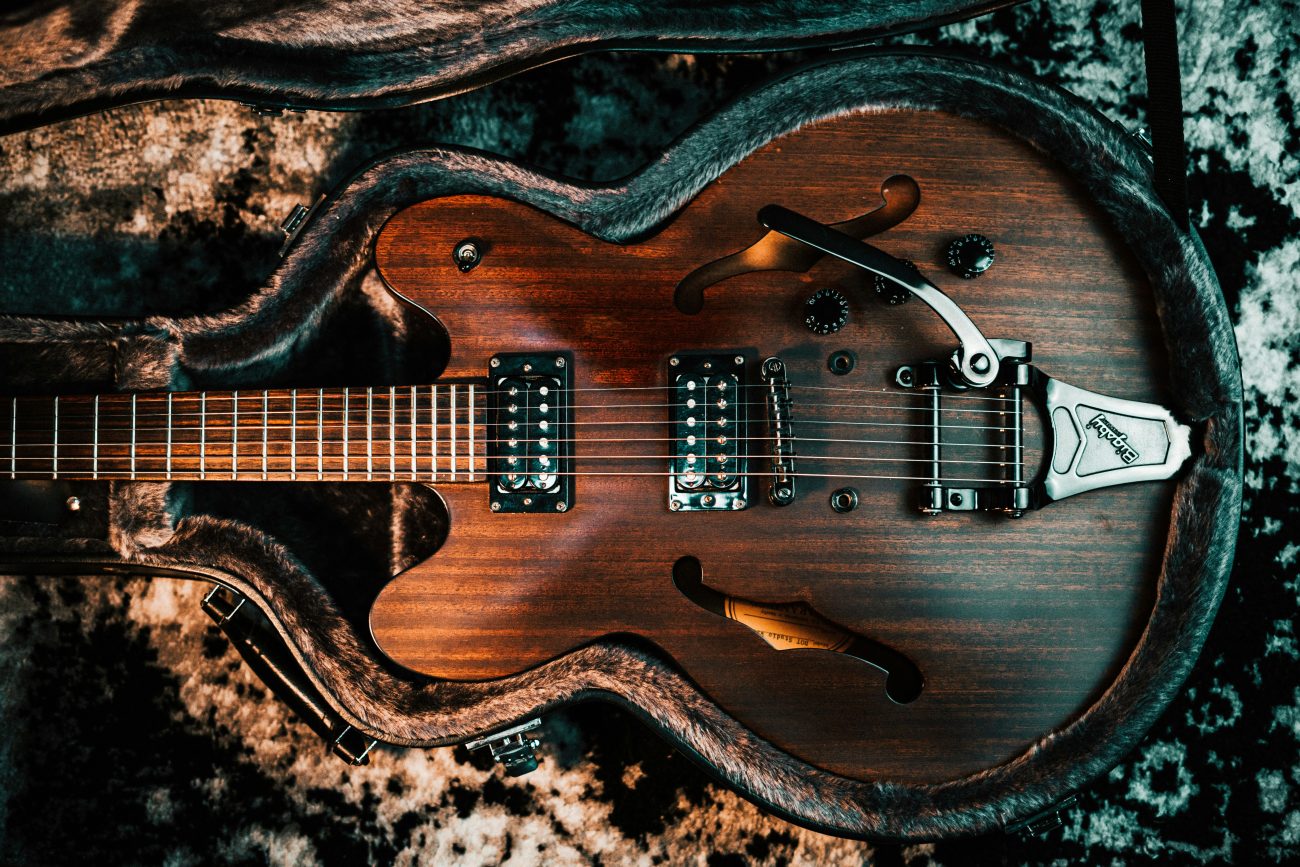
For most of my adult life, I believed my father had taken something from me.
Not just money. Something harder to measure.
Every month, I handed him part of my paycheck for rent. He never thanked me, never explained what he did with it, and never seemed particularly interested in how difficult it was for me to keep up.
He was a quiet man, the kind who could sit across from you at the kitchen table for an entire evening without asking a single question. When I talked about music, he usually looked away. When I mentioned school, he changed the subject. And when I asked about his past, he gave me the same short answer.
“That was a long time ago.”
I thought he had stopped caring about the things that mattered to me.
I was wrong.
I didn’t understand that until the day I opened an old box and discovered sixty envelopes, a collection of photographs, a repaired guitar, and a video message that changed everything I believed about my father.
By then, he was gone.
And the truth had been waiting for me in a place I had never thought to look.
The Man Who Never Talked About Music
My father had always seemed older than his years.
He wasn’t especially old when I was growing up, but there was something tired about him. He moved through the house quietly, kept his belongings organized, and rarely talked about anything that had happened before I was born.
There were no stories about wild nights, old friends, or adventures on the road. No framed photographs of him playing in front of crowds. No records displayed proudly in the living room.
If someone asked whether he liked music, he would simply say, “I used to.”
That answer always bothered me.
Music was the one thing I knew I wanted for myself. I started playing guitar as a teenager, first with a cheap instrument borrowed from a friend and later with one I bought after saving money from weekend jobs.
I loved everything about it: the way a chord could change the feeling of a room, the hours spent trying to get a difficult passage right, and the strange excitement of playing with other people who understood what I was trying to create.
I wanted to study music.
Not because I imagined becoming famous, but because I couldn’t picture building a life without it.
My father never encouraged me.
When I told him I was thinking about applying to a music program, he barely looked up from his dinner.
“That’s expensive,” he said.
“I know.”
“And what happens when you finish?”
“I’ll figure something out.”
He put his fork down.
“Figuring something out doesn’t pay the bills.”
That was the end of the conversation.
I waited for him to ask what kind of music I wanted to study or whether I had looked at any schools. He didn’t.
For days afterward, I felt embarrassed for having brought it up.
I told myself he was simply being practical. Maybe he had seen too many people chase dreams that didn’t work out. Maybe he thought I was too inexperienced to understand how difficult the world could be.
But a small part of me wondered whether he was disappointed in me.
The Rent Money That Changed Our Relationship
When I began working full-time, I started contributing to the household expenses.
My father called it rent.
He never gave me a detailed breakdown of what the money covered. He simply told me what I owed each month, and I paid it.
At first, I didn’t mind.
