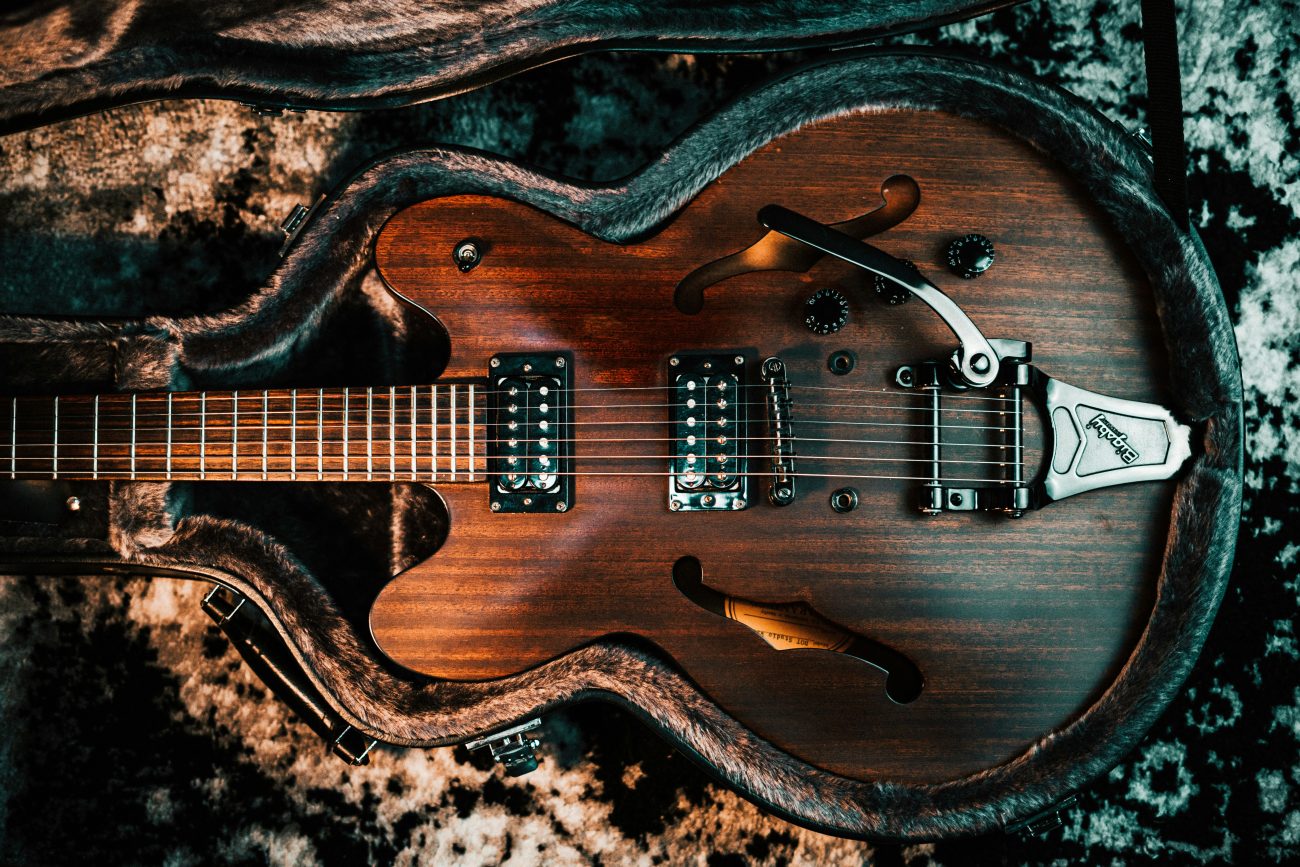
I was living under his roof, earning a paycheck, and I understood that adults had responsibilities. But as the months passed, the arrangement began to feel heavier.
I wasn’t earning much. Between transportation, food, phone bills, and rent, there was very little left.
Whenever I mentioned saving for music school, my father reminded me that I had responsibilities.
“You can’t spend money you don’t have,” he would say.
I began to resent him.
Sometimes I imagined what my life might look like if I lived somewhere else. I could save more, make my own decisions, and stop feeling as though every dollar I earned disappeared into a household budget I didn’t understand.
But moving out wasn’t easy, and I wasn’t ready financially.
So I stayed.
I paid the rent.
And each month, I felt a little more distant from him.
There were moments when I tried to get closer.
I would ask about his old friends or whether he had ever played in a band. Once, while cleaning a cabinet, I found a photograph of a young man holding a guitar. I recognized my father immediately, although he looked almost like a stranger.
“Is that you?” I asked.
He glanced at the picture.
“Yes.”
“Were you in a band?”
“For a while.”
“What happened?”
He took the photograph from my hand and placed it back in the cabinet.
“Life happened.”
I wanted to ask more, but his expression told me the conversation was over.
I thought he was ashamed of that part of his life.
I didn’t know it was connected to a grief he had never learned how to talk about.
The Distance Between Us
As the years passed, our relationship became a collection of practical conversations.
He reminded me when the rent was due. I told him when I would be home late. We discussed groceries, repairs, and household bills.
We rarely discussed anything personal.
When I played guitar in my room, he sometimes paused outside the door. I would hear his footsteps stop, then continue down the hallway.
I used to interpret that as irritation.
I assumed he wanted me to stop making noise.
One evening, after I had been practicing the same song for nearly an hour, he knocked.
“Can you turn that down?”
I stopped playing.
“Sorry.”
He stood in the doorway for a moment.
“What song is that?”
I looked at him, surprised.
“Something I’m working on.”
He nodded.
“Sounds familiar.”
Then he walked away.
I spent the rest of the evening wondering whether he had recognized something in the melody.
The next morning, he said nothing about it.
I eventually stopped trying to understand him.
I focused on work, saved what little money I could, and kept playing whenever I had time. I still wanted music school, but the idea seemed farther away every year.
I had convinced myself that my father would never support it.
What I didn’t realize was that he had been supporting it in a way I couldn’t see.
The Box I Wasn’t Expecting to Find
My father died before we ever had the conversation I now wish we had shared.
His death left the house strangely quiet.
For the first few days, I moved through the rooms without knowing what to do. His coffee mug remained beside the sink. His jacket still hung near the door. A pair of reading glasses sat on the table where he had left them.
I kept expecting to hear him moving around the kitchen.
Then the practical responsibilities began.
There were documents to organize, personal belongings to sort, and drawers that hadn’t been opened in years.
