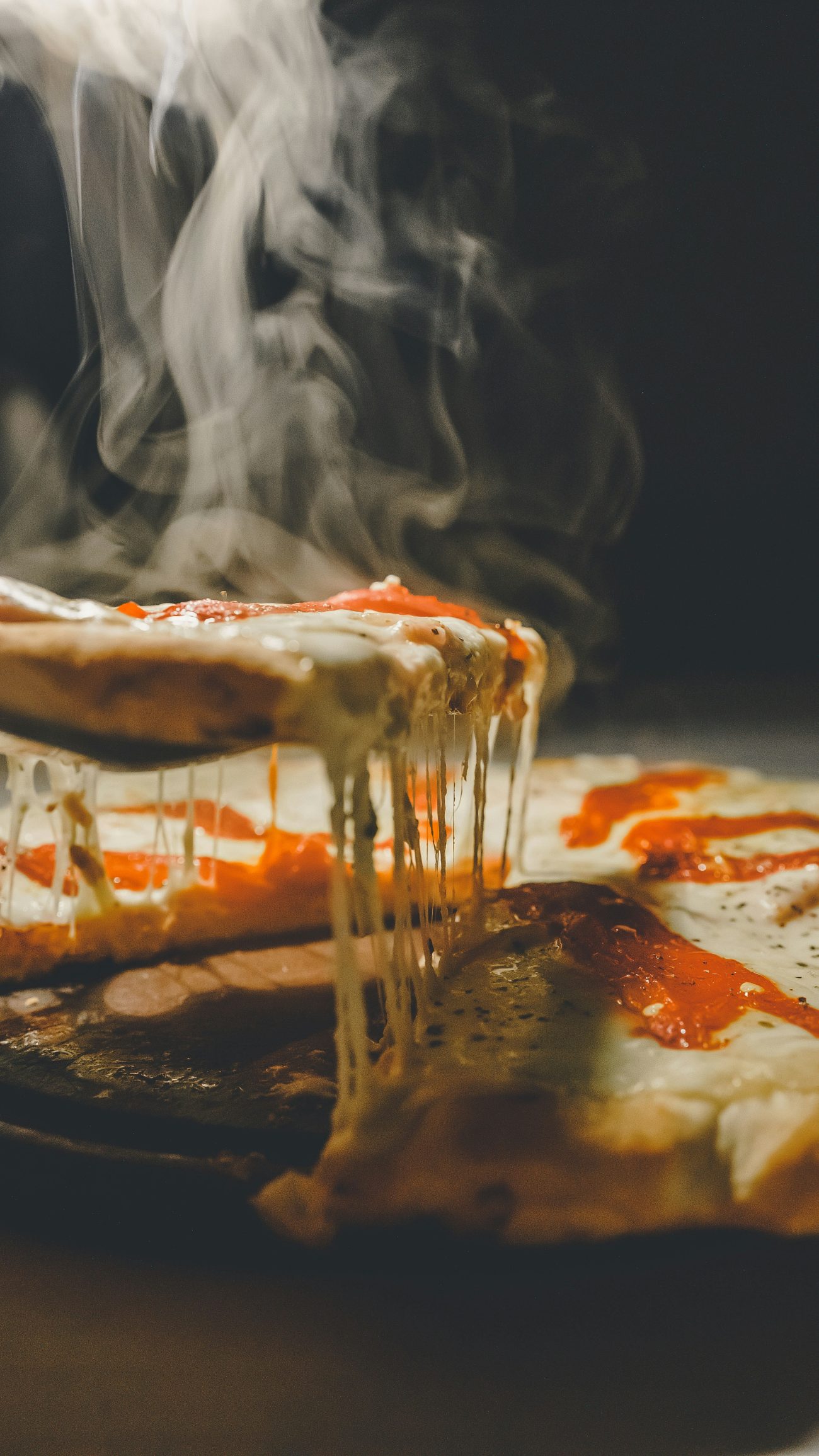
A few tiny bubbles had been enough to make me question an otherwise ordinary meal. Before I knew what they were, I imagined problems that had no real evidence behind them.
Once I understood how cheese behaves during baking, the mystery disappeared.
It was a simple reminder that unfamiliar does not necessarily mean abnormal. Sometimes, we encounter something we haven’t paid attention to before and mistake it for something unusual.
Food provides plenty of examples. Cheese changes texture under heat. Bread develops air pockets as it rises. Sauces separate when their ingredients respond differently to temperature. Even the same recipe can produce slightly different results depending on the equipment and cooking conditions.
Not every unexpected detail is a warning sign.
Of course, it is sensible to pay attention to food quality and safety. If something smells wrong, looks spoiled, or has been handled improperly, caution is always appropriate. But there is also value in understanding ordinary cooking processes before assuming the worst.
That evening, I had ordered a pizza expecting a familiar dinner. Instead, I got a small lesson in how something as simple as melted cheese can look surprisingly different from one meal to another.
And the next time I open a pizza box and see tiny bubbles across the cheese, I doubt I’ll spend nearly as long staring at them.
I’ll probably just pick up a slice.
