If the pizza smells wrong, appears contaminated, or has been held under questionable conditions, it is better not to eat it. If you are uncertain about its preparation, contact the restaurant and explain what you noticed.
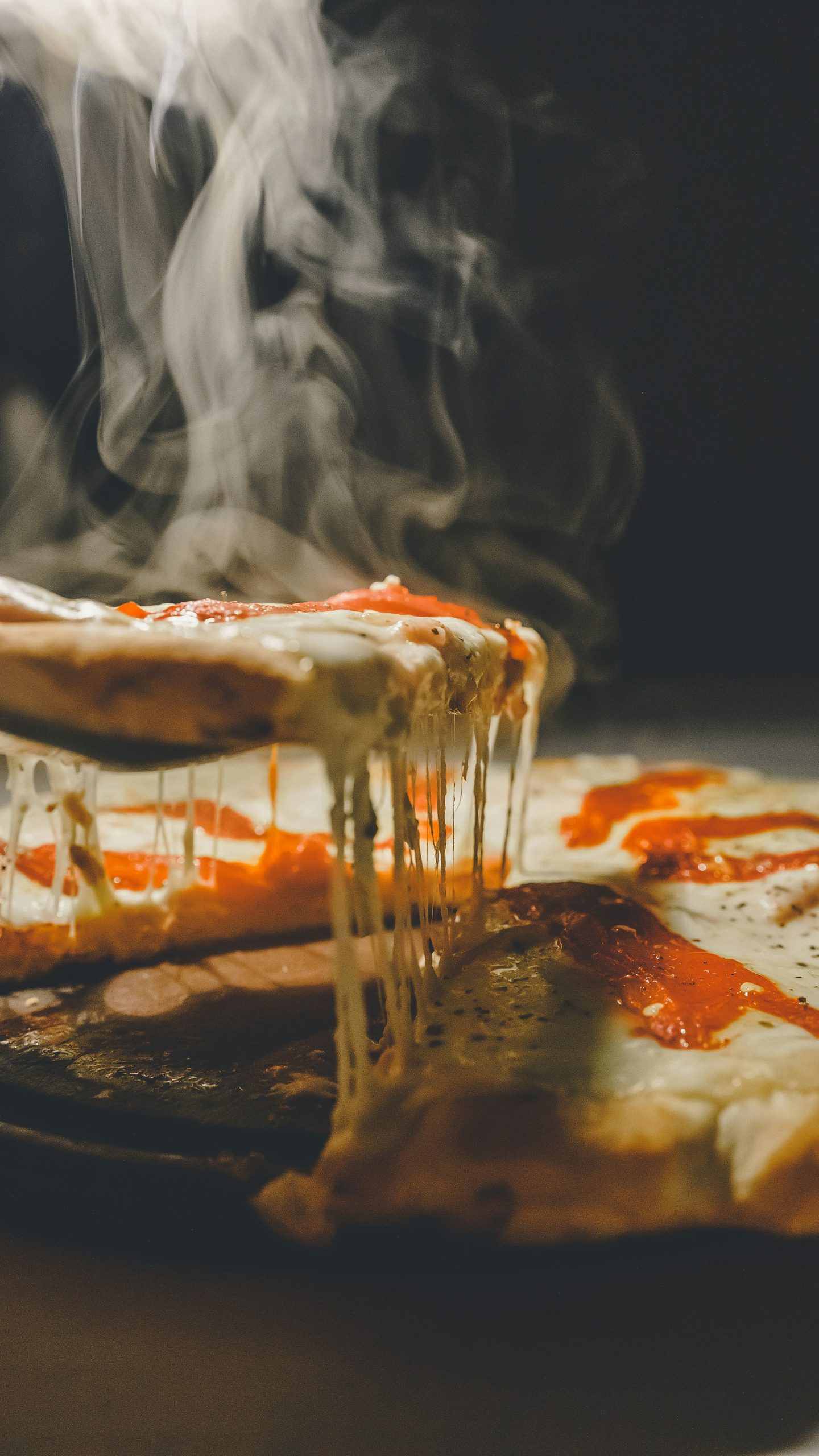
In my case, the bubbles themselves did not provide a reason to conclude that the pizza was unsafe. They were consistent with a normal change that can occur when cheese is heated.
That was reassuring, but it was the explanation—not the mere fact that the pizza looked familiar afterward—that helped me understand the situation.
Why Some Pizzas Develop More Bubbles Than Others
Once I started thinking about the baking process, I realized how many small variables could affect the appearance of something as familiar as pizza.
The same restaurant may produce pizzas that look slightly different from one order to the next. The cheese may be distributed unevenly, the oven may have hot spots, or the ingredients may contain different amounts of moisture.
Even the way the pizza is assembled can make a difference.
A thicker layer of cheese may behave differently from a thin one. Cheese placed directly over a moist topping may melt differently from cheese spread across a relatively dry surface.
The oven’s airflow and the position of the pizza during baking can also affect how heat reaches different parts of the surface.
These factors help explain why a pizza can emerge with dozens of tiny bubbles even when nothing unusual has happened.
Some bubbles remain small and barely noticeable. Others expand enough to create a blistered appearance.
In certain pizza styles, a little blistering is part of the expected look. In others, the cheese may be intended to remain relatively smooth.
Neither appearance, by itself, tells the whole story.
What matters is how the pizza was prepared, what ingredients were used, and whether it was handled safely.
What I Learned From a Simple Pizza Delivery
After reading about the baking process, I put my phone down and looked at the pizza again.
The cheese hadn’t changed. The bubbles were still there, catching the kitchen light in the same way they had when I first opened the box.
But my reaction had changed.
A few minutes earlier, the surface had seemed unfamiliar enough to make me question the entire meal. Now I could recognize a plausible explanation for what I was seeing.
I took a slice.
The crust was warm, the cheese tasted as expected, and nothing seemed unusual about the flavor.
The dinner I had nearly abandoned turned out to be exactly what I had ordered.
Still, the experience stayed with me longer than I expected.
It reminded me how quickly uncertainty can change the way we interpret ordinary things. When we encounter something unexpected, our minds often search for explanations before we have enough information to judge what is happening.
Sometimes, that instinct is useful. Unusual signs can alert us to genuine problems, and it is sensible to pay attention when food looks or smells wrong.
But uncertainty can also lead us to assume that something is dangerous simply because we don’t recognize it.
The answer is not to ignore warning signs or assume that everything unfamiliar is harmless. It is to look carefully, seek reliable information, and distinguish between a normal variation and a genuine reason for concern.
In the case of my pizza, the tiny bubbles were consistent with the ordinary effects of heat on melted cheese.
There was no need to turn them into a mystery.
The Small Details We Often Overlook
Most of us eat familiar foods without thinking much about the science behind them.
