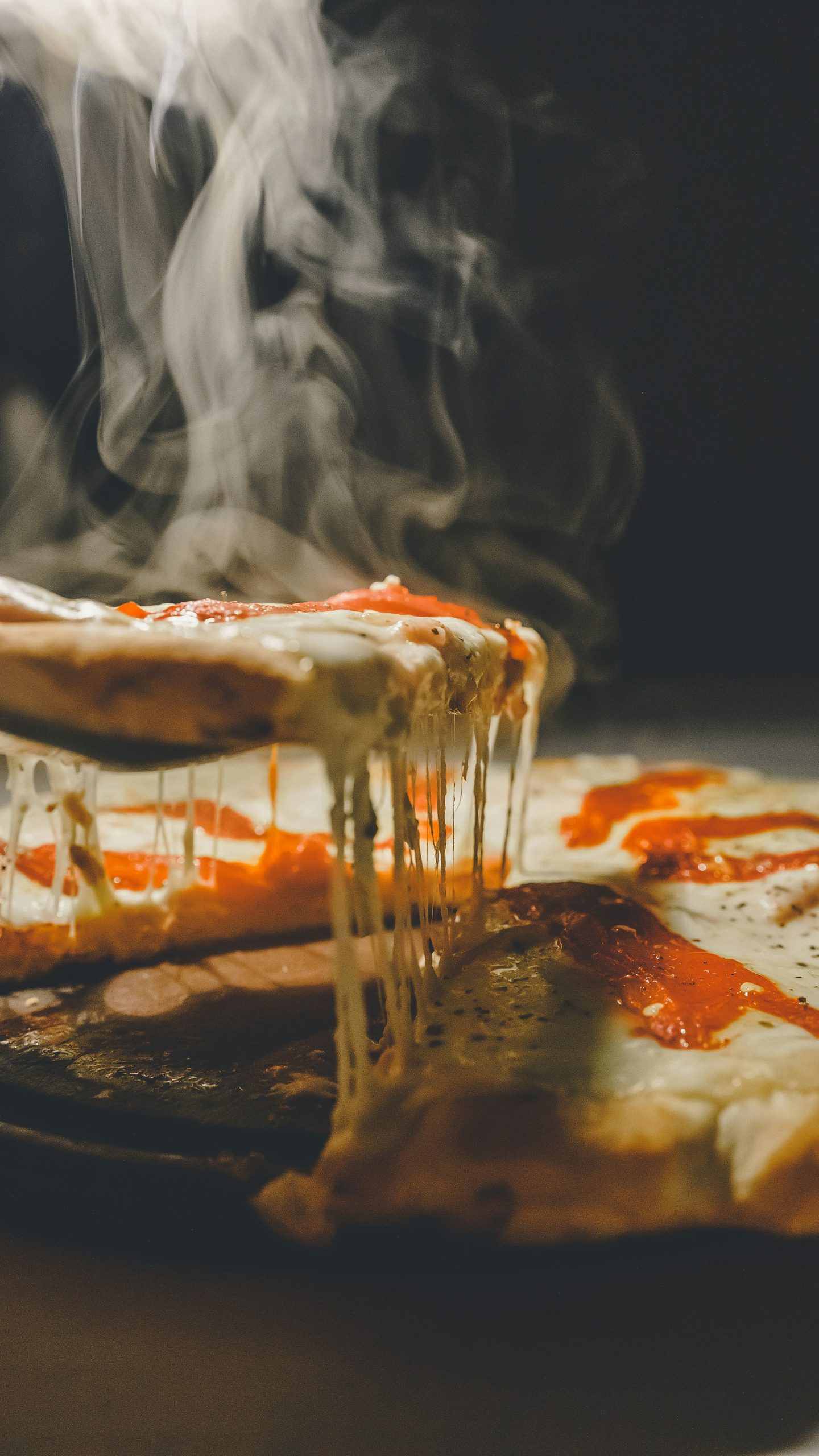
I Opened My Pizza Box and Saw Strange Bubbles All Over the Cheese—Then I Discovered What They Meant
I ordered a pizza one evening, expecting nothing more than an easy, satisfying dinner after a long day. It was an ordinary decision, made out of hunger and habit. I knew what I wanted, knew roughly how it would taste, and looked forward to enjoying a familiar meal without having to cook.
When the delivery driver arrived, everything seemed normal. The box was warm, the exchange was quick, and the smell of freshly baked pizza drifted through the kitchen as I carried it inside.
I set the box on the counter and lifted the lid.
Then I stopped.
At first glance, the pizza looked perfectly fine. The crust was golden, the toppings appeared evenly distributed, and the cheese covered the surface from edge to edge. But as I looked more closely, I noticed something unusual.
The cheese was covered in tiny raised bubbles.
Some were small and round, while others formed slightly larger domes across the surface. Under the kitchen light, the texture looked almost unfamiliar, as though the cheese had developed a strange pattern while baking.
I had ordered pizza countless times before, but I couldn’t remember seeing anything quite like this.
My first thought was that something had gone wrong in the oven. Perhaps the temperature had been too high, or the pizza had been cooked longer than necessary. Maybe the cheese had reacted strangely to the heat.
The more I stared at it, the more questions I had.
Was this normal? Had something happened during preparation? And, most importantly, was the pizza safe to eat?
What should have been a simple dinner suddenly became a small mystery.
Why Did the Cheese Look So Unusual?
I leaned closer to inspect the surface.
The bubbles didn’t appear blackened or obviously burned. Instead, they looked like little pockets that had risen beneath the melted cheese and remained in place after the pizza came out of the oven.
The pattern was irregular but not entirely random. Some areas were relatively smooth, while others were dotted with clusters of raised spots.
I tried to remember whether I had noticed the same thing on pizzas before.
Perhaps I had seen it many times without paying attention. Or perhaps this pizza had simply developed a more noticeable pattern than usual.
Either way, I couldn’t immediately explain what I was seeing.
That uncertainty encouraged my imagination to take over. I wondered whether the ingredients had been stored incorrectly or whether the pizza had been prepared under unusual conditions.
I even considered leaving it untouched and ordering something else.
Then I realized I could probably find a straightforward explanation.
I reached for my phone and searched for descriptions of bubbling pizza cheese. Within moments, I found discussions and photographs showing similar surfaces on freshly baked pizzas.
The explanation was much less alarming than I had expected.
Small bubbles in melted cheese are often a normal result of the baking process.
Heat changes the structure of cheese, while moisture and gases can contribute to pockets forming beneath or within the melted surface. Depending on the type of cheese, the oven temperature, and how the pizza is prepared, those pockets may expand and become visible as raised bubbles.
What had looked strange at first was often simply the result of ordinary cooking.
What Actually Causes Pizza Cheese to Bubble?
To understand the appearance, it helps to look at what happens when cheese is exposed to the intense heat of an oven.
Cheese contains water, fat, and proteins arranged in a structure that changes as it warms. As the temperature rises, the fat softens, the proteins change, and moisture can turn into steam.
