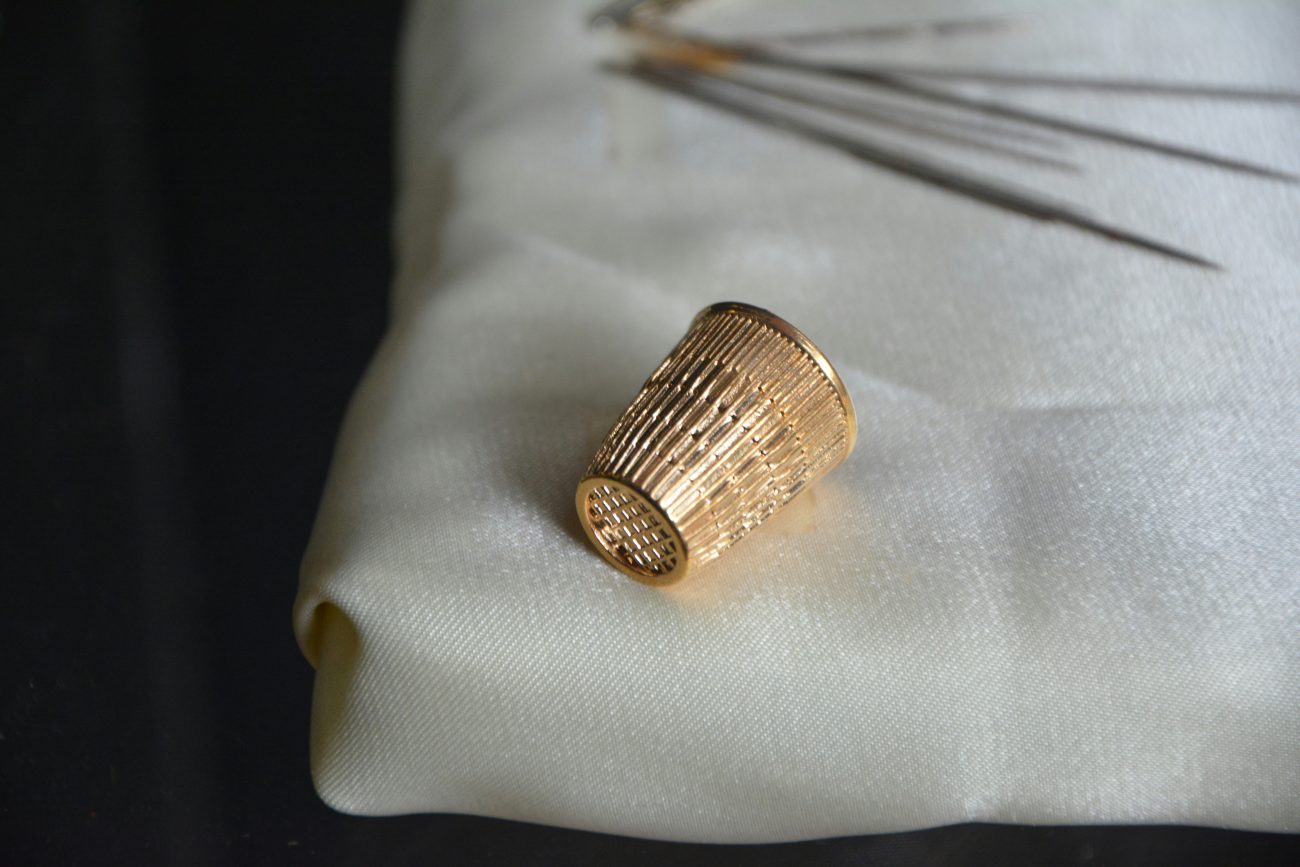
Found a Small Metal Cup With Tiny Dents in an Old Sewing Box? Here’s What It Was Really Used For
Have you ever opened an old sewing box and discovered a tiny metal cup covered with little dents? At first glance, it might look like an unusual piece of metal, a miniature cap, or even a small object with no obvious purpose.
But that little item has a name—and it once played an important role in everyday household life.
It is called a sewing thimble, a simple accessory designed to protect your finger while sewing by hand. Although it may not look particularly special, its distinctive shape and tiny indentations serve a practical purpose: helping you push a needle through fabric without repeatedly pressing its sharp end against your skin.
For generations, thimbles were familiar household essentials. They could be found in sewing baskets alongside spools of thread, scissors, buttons, and needles. Today, however, many people rarely sew by hand, which means younger generations may not immediately recognize this once-common tool.
So, what exactly does a thimble do, why does it have those little dents, and how is it used?
What Is a Sewing Thimble?
A sewing thimble is a small protective cover worn on a finger during hand sewing. It is designed to protect the finger that pushes the needle through the material.
Traditional thimbles are often made of metal, including brass, steel, and silver. Modern versions are also available in plastic, leather, silicone, and other materials.
One of the most recognizable features of a traditional metal thimble is its surface, which is usually covered with small indentations.
These tiny dents are not simply decorative. They help provide contact points for the end of the needle, making it easier to apply pressure without allowing the needle to slide sideways as easily.
This is particularly useful when sewing thicker materials, such as denim, canvas, or several layers of fabric.
Without a thimble, repeated pressure from the needle can leave your finger sore. A properly fitted one creates a protective barrier between your skin and the needle, making longer sewing projects more comfortable.
The word thimble also has historical roots connected to the Old English word for thumb, reflecting the long history of protective finger coverings used in sewing.
Why Does a Thimble Have Tiny Dents?
Those small indentations are one of the most distinctive features of a traditional sewing thimble.
Their purpose is practical: they help the needle’s blunt end stay in position when you push it through fabric.
During hand sewing, one hand holds and guides the needle while a finger on the other hand often supplies the pressure needed to move it through the material.
The thimble provides a firm surface for that pressure. Its textured design helps keep the needle from slipping across the smooth surface of the metal.
This becomes especially helpful when working with thick fabrics or multiple layers that require more force to penetrate.
Although modern thimbles come in different shapes and materials, many traditional designs retain this familiar dimpled surface because it remains useful for ordinary hand sewing.
How Do You Use a Sewing Thimble?
Using a thimble is relatively simple, even if you have never sewn by hand before.
The first step is choosing the finger that feels most natural for pushing the needle. Many people wear a thimble on their middle finger, while others prefer the index finger or another finger depending on their sewing technique.
There is no universal rule. Comfort and control matter most.
Follow these basic steps:
- Put on the thimble: Slide it onto the finger you naturally use to push the needle.
- Hold the needle: Grip the needle between your thumb and index finger.
- Position the needle: Guide its sharp point toward the fabric and place the opposite end against the protected finger.
- Push through the material: Apply gentle, controlled pressure with the thimble rather than pressing the needle directly against your skin.
- Continue stitching: Repeat the movement as you work along the fabric.
A properly fitted thimble should make the process feel more controlled. It can also reduce the discomfort that sometimes develops after repeated sewing movements.
