Ever Wonder Why English Cucumbers Are Wrapped in Plastic? The Practical Reason May Surprise You
Walk through the produce section of almost any American supermarket, and you may notice something curious.
Most cucumbers are displayed uncovered, stacked in bins or arranged in neat rows. But the long, dark-green English cucumbers often sit nearby, each sealed inside its own tight layer of plastic.
At first glance, the packaging can seem unnecessary. After all, cucumbers already have a skin. Why would one variety need an individual plastic wrapper when others are sold without one?
It is a reasonable question, especially as more shoppers try to reduce single-use plastic in their everyday lives.
But the wrapping is not simply decoration or a marketing trick. It serves a practical purpose: helping the cucumber retain moisture and stay firm and fresh-looking for longer.
To understand why, it helps to look at what makes English cucumbers different from the varieties most people grew up buying.
English Cucumbers Have a More Delicate Exterior
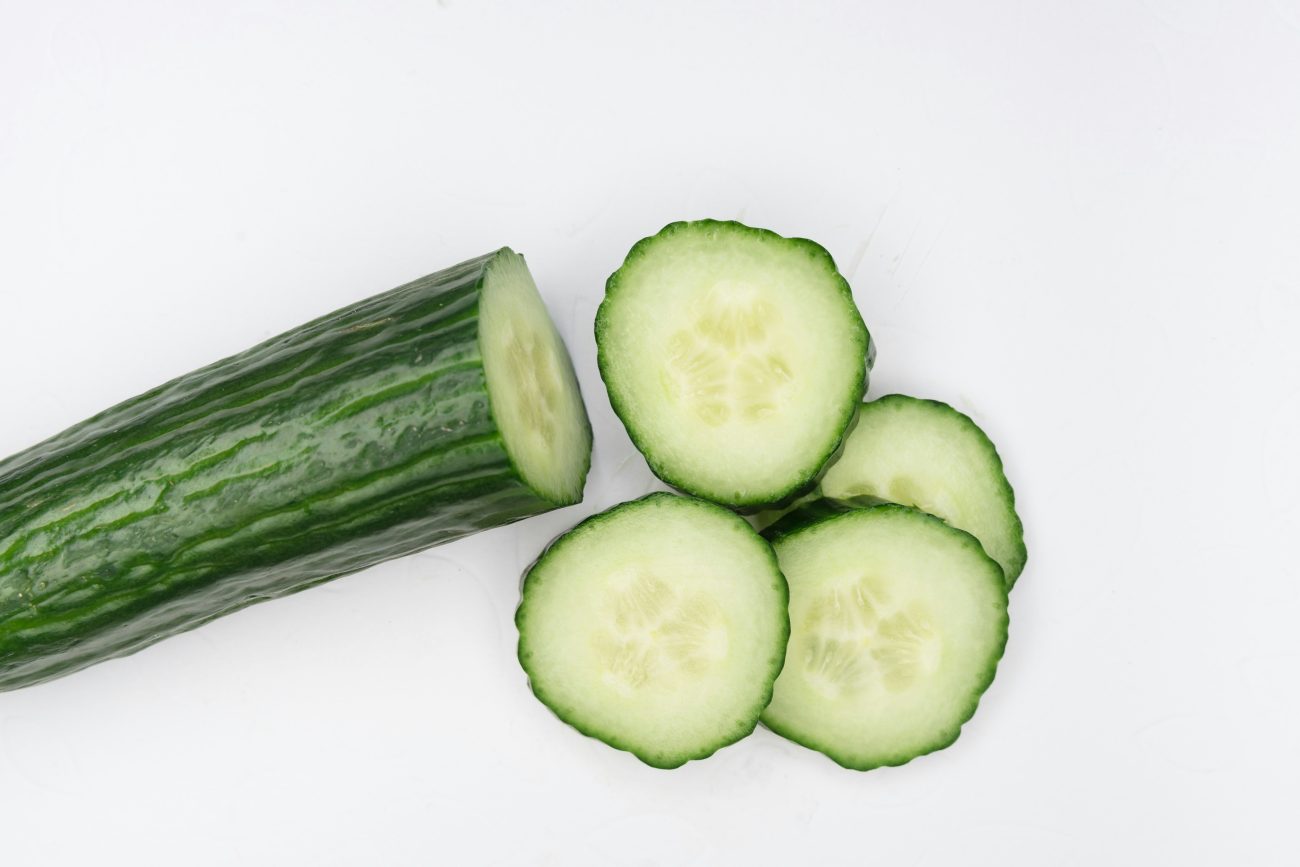
English cucumbers are easy to recognize.
They are generally longer and narrower than standard slicing cucumbers, with dark-green skin, relatively small seeds, and a mild flavor. You may also see them labeled as greenhouse, hothouse, or European cucumbers.
One of their biggest attractions is their thin, tender skin.
Unlike some traditional cucumbers, which have a thicker exterior and may have a slightly tougher texture, English cucumbers are often eaten without peeling. They are especially popular in salads, sandwiches, wraps, and other dishes where fresh cucumber slices are served raw.
Their smaller, softer seeds are another reason people enjoy them.
However, the delicate skin that makes these cucumbers convenient to eat also means they need careful handling after harvest.
Like other fresh produce, cucumbers gradually lose moisture after they are picked. When that happens, they can lose the firm texture shoppers expect.
A protective wrapper helps slow that process.
Cucumbers Are Mostly Water
The refreshing crunch of a cucumber comes largely from its high water content.
When you pick up a fresh one, it usually feels firm and relatively heavy for its size. Its cells contain water that helps maintain its structure and crisp texture.
After harvest, however, moisture can gradually escape into the surrounding air.
As the cucumber loses water, it may begin to look and feel different. The skin can become wrinkled, the flesh may soften, and the vegetable can lose the crispness that makes it appealing.
This process is particularly important for varieties with delicate skin.
A cucumber does not necessarily become unusable the moment it loses some moisture, but its appearance and eating quality can decline. And in a supermarket, appearance matters. Shoppers are less likely to select produce that looks limp or shriveled.
That is where the familiar plastic covering comes in.
The Plastic Wrapper Helps Slow Moisture Loss
The thin film surrounding an English cucumber acts as a barrier between the vegetable and the surrounding air.
By limiting moisture loss, the wrapping helps the cucumber maintain its firmness and appearance during storage, transportation, and display.
This is not just a theory created to justify supermarket packaging.
The USDA’s agricultural guidance on cucumbers notes that they may be stored in plastic bags or wrapped in plastic to help preserve moisture. Commercial produce-storage guidance also describes shrink-wrapping greenhouse cucumbers as a way to reduce water loss.
In other words, the wrapper performs a preservation function.
It does not make the cucumber immune to spoilage, and it cannot keep it fresh indefinitely. But it can help slow one of the processes that causes cucumbers to lose quality after harvest.
That is especially useful for a vegetable that is expected to travel from a greenhouse or farm through packing facilities, distribution centers, grocery stores, and finally into a shopper’s refrigerator.
Why Aren’t All Cucumbers Wrapped?
If plastic helps preserve cucumbers, why don’t supermarkets wrap every cucumber individually?
