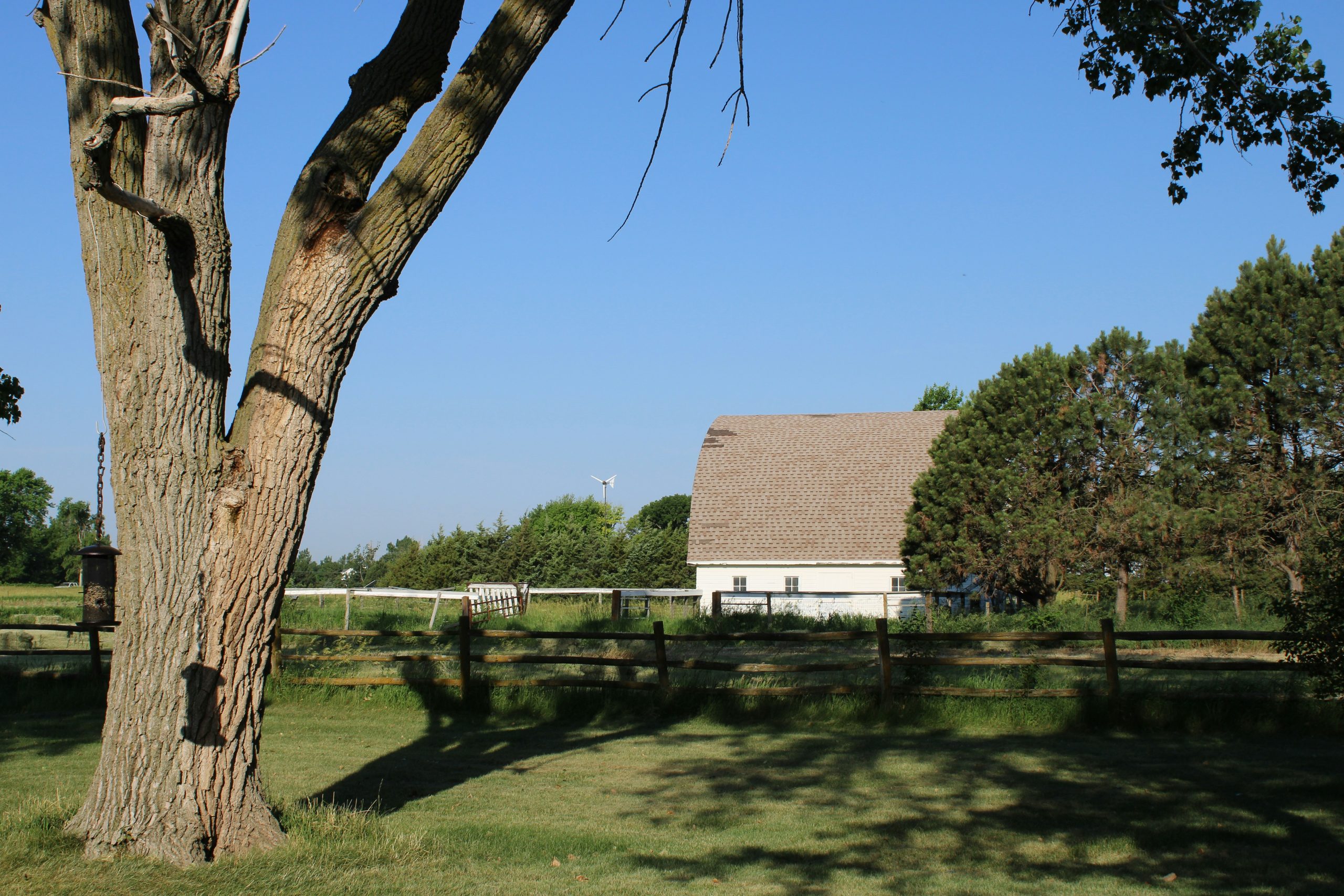
Walter had established a partnership called Engel Brothers to keep the land together rather than allowing it to be divided into smaller pieces. The operation covered approximately 1,100 acres of corn and soybeans in Webster County, Nebraska, with a mix of irrigated and dryland fields.
Jeff had spent his life working that ground.
I had spent mine helping keep the business organized.
Neither of us imagined that one day I would be sitting at a funeral lunch, being told to leave the home we had shared.
The Agreement I Knew by Heart
There was a reason I did not challenge the buyout.
For twenty years, I had managed the partnership’s books. Every seed invoice, equipment payment, operating loan, and land payment eventually found its way across my kitchen table.
I handled quarterly taxes and balanced the accounts at the end of each month with a calculator and a pot of coffee.
I knew the partnership agreement inside and out.
The document stated that when a partner died, the remaining partners could buy out the deceased partner’s share from the surviving spouse. The price was calculated using a formula based on the value of the land and equipment, along with the partnership’s debts.
The agreement also established that the farmhouse belonged to the partnership because it had been built using partnership funds in 1979.
Jeff had signed the document years earlier. I had been sitting beside him in the lawyer’s office in Red Cloud, holding our baby daughter on my lap.
I understood what his signature meant.
The night after the funeral, unable to sleep, I sat at my kitchen table and worked through the buyout calculation myself.
Land value. Equipment. Outstanding debts. Jeff’s one-third share.
The total came to slightly less than $500,000.
His brothers had rounded up.
As painful as it was, the offer was fair according to the agreement. The paperwork was legitimate, and Jeff had willingly accepted those terms when he signed.
I had no obvious legal battle to fight.
But the circumstances surrounding the offer still hurt.
My husband had been dead less than a week, and his brothers were already discussing when I needed to leave.
There was another reason they wanted a clean break, too.
In January, I had seen letters from the bank in Hastings. Two difficult years of dry summers had put pressure on the partnership’s operating line. A new loan officer, Kyle Hoffman, wanted the balance sheet cleaned up before renewing the credit for another year.
A surviving spouse who still held a share in the partnership complicated that process.
From the bank’s perspective, buying out Jeff’s share simplified the situation.
From Randy and Scott’s perspective, it allowed them to move forward without having to account for me as a partner.
I understood their reasoning.
What they did not know was that I had started considering a future of my own.
My Daughter Asked If We Were Losing Everything
That night, Abby sat at the kitchen table in her navy funeral dress. She had kicked off her shoes and was staring at the surface of the table.
“Mom, are we going to live with Aunt Pam in Hastings now?”
Someone at the funeral lunch had apparently mentioned that possibility within her hearing.
“I don’t know yet, honey,” I answered. “I haven’t decided anything.”
She hesitated before asking the question I had been dreading.
“Do we have to leave the house?”
I wanted to tell her everything would be fine. I wanted to promise that nothing else in her life would change.
But Abby was twelve, and she had grown up on a farm. She knew when something was wrong.

I felt like this story left you hanging. What happened?
Was she successful? Did she hire help? Did her brothers in law fail? Disappointing.