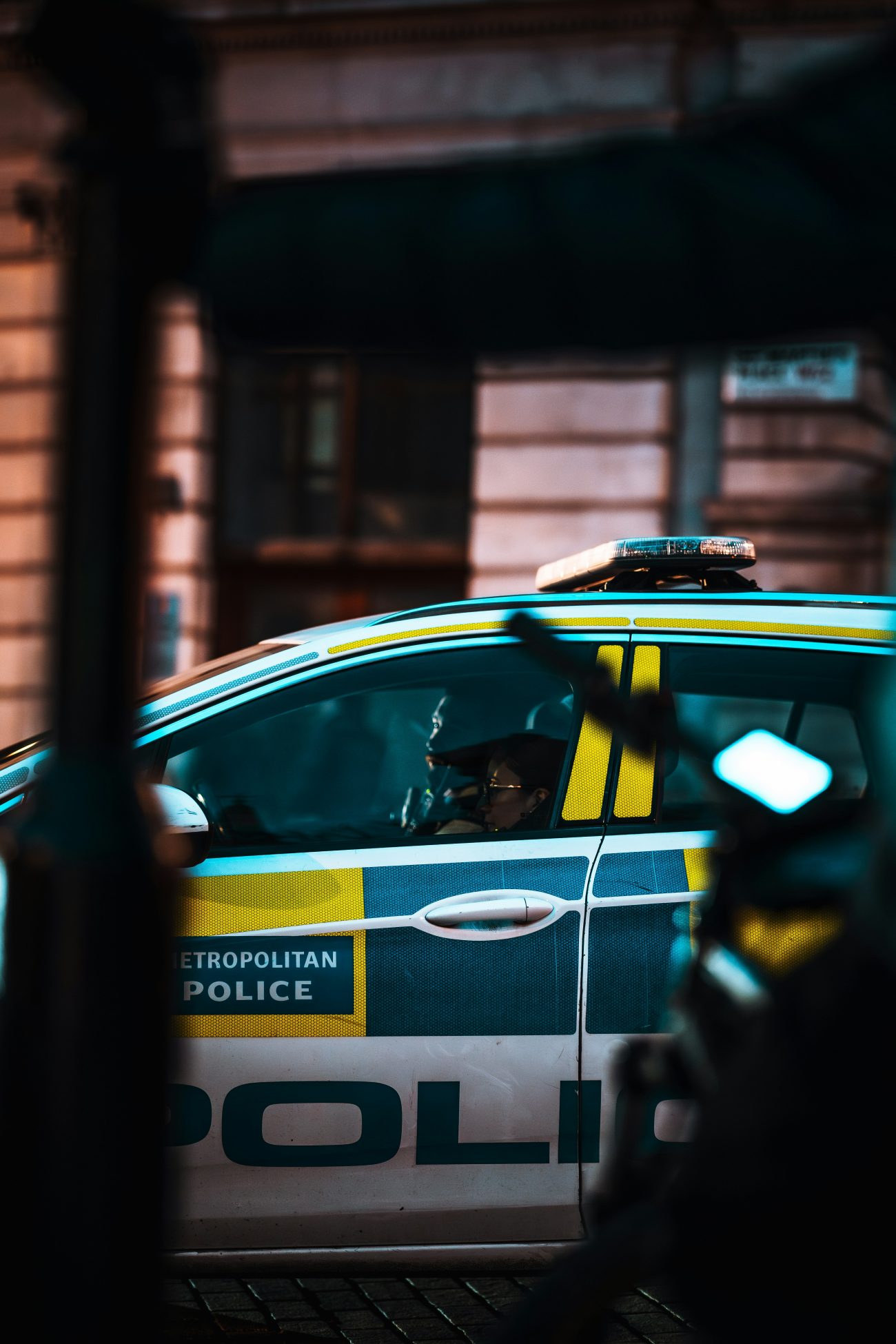
A fingerprint on a vehicle could have been deposited during an earlier interaction or by someone other than the officer involved in a later traffic stop.
That is why investigators generally consider evidence in context.
Depending on the circumstances, useful information may include:
- Body-camera and dashboard-camera recordings.
- Photographs of the vehicle and surrounding area.
- Witness statements.
- Dispatch and communication records.
- Official incident reports.
- Relevant forensic evidence.
Each source may help answer a different question.
A fingerprint could potentially contribute to an investigation, but it is not a substitute for a complete and reliable record of what happened.
This is also why the traditional fingerprint explanation should not be presented as proof that the practice guarantees an officer’s safety or establishes their presence beyond doubt.
11. Why Small Police Procedures Attract So Much Attention
People naturally notice routines that seem unusual.
During a traffic stop, drivers may wonder why an officer approaches from a particular direction, shines a flashlight through a window, stands near the rear of the vehicle, or briefly touches the bodywork.
Some of these actions may be connected to training. Others may reflect the physical conditions at the scene or an officer’s individual working habits.
The challenge is that observers rarely know the full context.
A brief movement can be easy to see but difficult to interpret. When an explanation is repeated often enough, it can eventually become accepted as fact even when it is only one possible explanation.
That is what makes the tail-light tapping question interesting.
The gesture has a recognizable history, but its exact purpose cannot always be determined simply by watching it happen.
It is reasonable for drivers to ask questions about police procedures. It is equally important to distinguish established policy from tradition, popular explanations, and assumptions.
A better understanding of these details can help people approach traffic stops with less unnecessary anxiety and more accurate expectations.
Frequently Asked Questions About Police Officers Tapping Tail Lights
1. Why do police officers touch the tail light during a traffic stop?
The gesture is commonly associated with the historical idea of leaving a fingerprint on the vehicle. It has also been linked to older safety routines. However, there is no single explanation that applies to every officer or department.
2. Do police officers tap cars to leave fingerprints?
That is the most widely repeated explanation. The idea is that a fingerprint might provide some evidence of physical contact. However, fingerprints cannot reliably establish exactly when contact occurred, and the practice is not universal.
3. Do all police officers tap tail lights?
No. Some officers may still use the gesture, while others approach vehicles without touching them. Procedures vary by department, training, and circumstances.
4. Is tapping a tail light required by law?
No general law requires officers to touch a vehicle before approaching its driver. Departments establish their own procedures, and the practice is not universal.
5. Does a tail-light tap mean the driver is suspected of a crime?
No. The gesture alone does not establish suspicion or indicate that the driver has done anything wrong.
6. Do officers tap the rear of a car to check the trunk?
That explanation is sometimes mentioned, but touching a tail light does not necessarily mean an officer is inspecting the trunk. The exact purpose depends on the circumstances.
7. Why do some officers approach from the passenger side?
An officer may choose a different approach because of traffic, road conditions, vehicle design, visibility, or safety considerations. The approach can vary from one stop to another.
8. Have modern cameras made tail-light tapping unnecessary?
Body cameras, dashboard cameras, dispatch records, and digital reports can provide much more detailed documentation than a fingerprint alone. However, traditional habits may continue in some departments.
9. Should I be worried if an officer touches my vehicle?
Not simply because of the touch. Remain calm, keep your hands visible, and follow the officer’s lawful instructions. The gesture alone does not indicate that you are in trouble.
10. What is the most important thing to remember during a traffic stop?
Pull over safely, keep your hands visible, avoid sudden movements, communicate clearly, and understand the laws that apply in your jurisdiction. If you have concerns about the stop, you can address them through the appropriate legal channels.
Final Thoughts
The next time you see a police officer briefly touch the rear of a vehicle before approaching the driver’s window, you will know why the gesture attracts so much curiosity.
It is commonly associated with traditional traffic-stop practices, especially the often-repeated explanation that officers wanted to leave a fingerprint on the vehicle. But that explanation should not be mistaken for a universal rule or a guaranteed investigative technique.
Modern policing has changed considerably. Cameras, dispatch records, and digital reporting systems can now document traffic stops in ways that a fingerprint alone cannot.
Some officers may continue the traditional gesture, while others may never use it.
For drivers, the most important point is simple: a tail-light tap does not automatically mean suspicion, accusation, or trouble.
Stay calm, stop in a safe place, keep your hands visible, communicate clearly, and understand your rights.
Sometimes a small movement has a long history—but the only way to understand what it means in a particular situation is to consider the context rather than assume there is one explanation for everyone.
