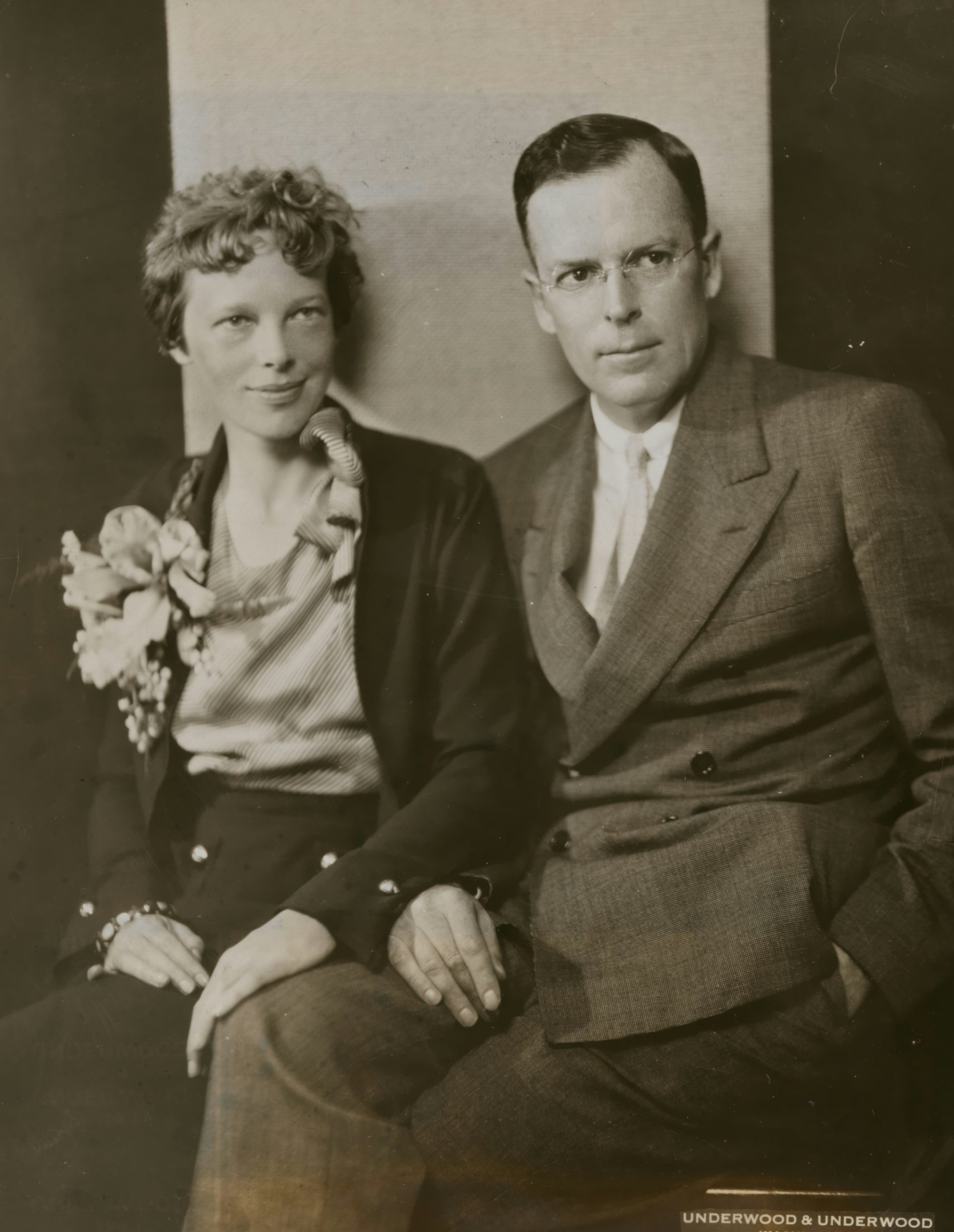
A formal portrait, for example, may reveal details about:
- Fashion: The cut and material of clothing, accessories, and popular styles.
- Social customs: How people posed, dressed, and presented themselves at formal occasions.
- Interior design: Curtains, furniture, decorations, and architectural details.
- Photography: Lighting techniques, camera positions, print quality, and composition.
- Personal history: The people, relationships, and moments that families chose to preserve.
A photograph rarely tells the complete story by itself. It can show what was visible at a particular moment, but it cannot automatically explain the conversations, relationships, or events surrounding that scene.
That is why historical photographs are best understood alongside other evidence whenever their origins or significance are being investigated.
Can We Tell Whether an Old Photograph Has Been Edited?
An unusual-looking photograph sometimes leads viewers to wonder whether someone has altered it.
That is a reasonable question, especially today, when digital editing tools make it easy to change images. However, appearance alone is not enough to establish whether an old photograph has been manipulated.
A reliable investigation would ideally involve the original photographic negative, early prints, archival records, or documented publication history.
Researchers might also compare multiple versions of the same photograph to identify differences. Changes in cropping, contrast, printing quality, and restoration can affect how an image appears without necessarily indicating deliberate deception.
Even an authentic photograph can be confusing because of perspective, lighting, reflections, or the overlap of objects.
Without the original image and reliable background information, it is best to avoid claiming that a particular photograph has been edited—or that it captures something extraordinary.
The visible composition can still be discussed without making unsupported assumptions about its history.
Why Some Ordinary Images Become Internet Favorites
The internet has given old photographs a second life.
Images that once belonged to private family collections, newspaper archives, or forgotten publications can now reach enormous audiences. When a picture contains an unusual detail, people may share it with friends and invite them to examine it.
That process can make an otherwise ordinary photograph surprisingly popular.
There are several reasons these images attract attention:
They encourage participation. Rather than simply looking at a picture, viewers are invited to identify details and compare interpretations.
They reward repeated viewing. A second or third look may reveal something that was not immediately obvious.
They create conversation. People enjoy discussing what they see, particularly when others notice different things.
They connect generations. Older photographs offer a glimpse into styles and surroundings that younger viewers may never have experienced.
However, online discussions can also encourage exaggerated explanations. A photograph may be described as mysterious, shocking, or impossible even when the unusual appearance has a straightforward visual explanation.
A little caution helps preserve the difference between an interesting observation and an unsupported claim.
A Closer Look at the Composition
Returning to the photograph, several elements work together to create its distinctive appearance.
The dark jacket provides a strong visual outline, while the white shirt creates a lighter area near the center of the image. The pale purple gown introduces soft folds and overlapping fabric. Behind the subjects, the red curtain establishes a bold background, while the metallic figure adds reflective highlights and another layer of visual complexity.
The subjects’ close positioning also contributes to the effect. Their arms and clothing occupy nearby areas of the frame, creating shapes that may be difficult to distinguish immediately.
These elements are not necessarily unusual individually. What makes the photograph interesting is how they come together within one fixed camera angle.
A closer examination encourages viewers to slow down and consider how perspective, light, color, and positioning influence what they think they see.
The Appeal of Looking Twice
Not every memorable photograph needs a dramatic backstory.
Some images remain interesting because they capture a combination of details that viewers do not immediately understand. A particular pose, an unexpected reflection, or an object in the background can transform a simple portrait into something people want to examine more closely.
This photograph is a reminder that visual perception is not always straightforward. The brain makes quick decisions about shapes and objects, but those first impressions can change when we take more time to look.
Historical photographs also deserve a degree of care. Their visible details can be appreciated without inventing an event, identifying unknown people, or assuming that an unusual composition proves manipulation.
Sometimes, the most satisfying part of looking at an old photograph is simply discovering how much detail was preserved in a single moment.
