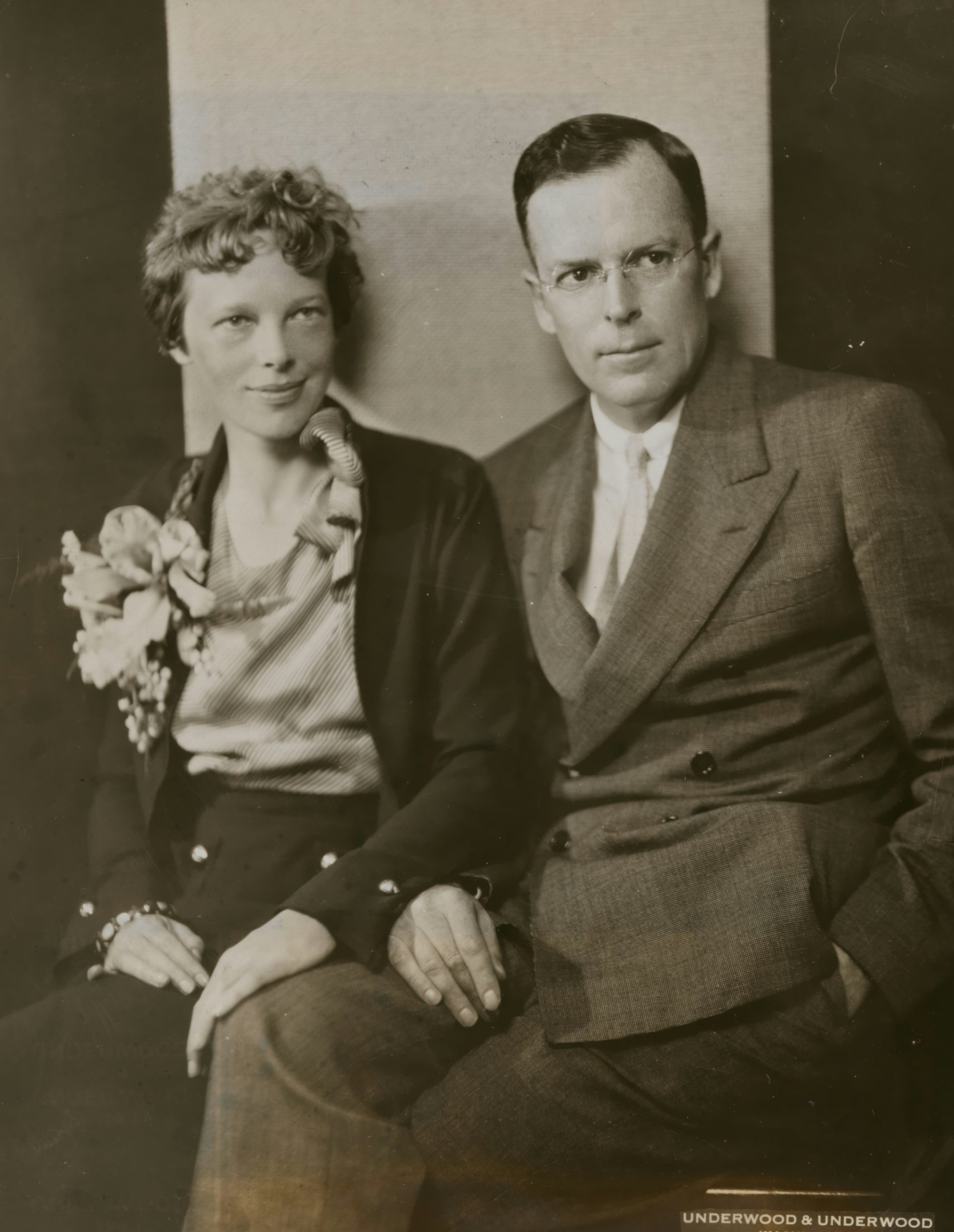
In everyday life, we can move our heads, change our position, and view an object from several angles. A photograph gives us only one fixed viewpoint.
When two people stand close together, their arms and clothing may overlap. A hand near someone’s waist might be partly hidden behind a dress. An object in the background may appear to touch a person in the foreground because the camera has compressed the distance between them.
These effects are part of ordinary photographic perspective.
Overlapping shapes
One of the most common reasons people misinterpret photographs is the overlap between separate objects.
Imagine two people standing side by side. One person’s arm is positioned behind the other person’s back, while a fold of clothing extends toward the same area. In the actual scene, the arrangement may be completely clear.
But in a photograph, the shapes can merge.
The viewer must mentally work out which parts belong to each person. If the lighting is uneven or the clothing has similar tones, that task can become more difficult.
Perspective and distance
Objects at different distances from the camera can also appear closer together than they really are.
A decoration positioned behind a couple may seem to be directly beside them. Depending on the camera angle, it might even appear to form part of the subjects’ silhouettes.
This does not mean anything unusual happened. It is simply a consequence of how perspective is represented in a two-dimensional image.
The Role of Lighting and the Red Background
Lighting can influence how viewers interpret almost every part of a photograph.
Bright areas naturally attract attention, while darker areas may hide small details. Reflective materials can create highlights that make an object appear more prominent than it would under different lighting conditions.
The red curtain in this photograph is particularly important to its visual character.
A deep red background creates a strong contrast with the lighter gown and the white portion of the man’s shirt. It also gives the scene a formal, theatrical appearance.
The metallic decoration adds another layer. Depending on its material and the direction of the light, reflective surfaces can produce bright patches, dark reflections, and unexpected shapes.
When several visual elements compete for attention, the viewer may initially focus on one part of the image and overlook another.
Looking again often reveals details that were present all along.
Why Two People Can See Different Things in the Same Photograph
Human vision is not simply a matter of receiving an exact picture of the world. The brain continually organizes visual information, identifies familiar objects, and separates important shapes from their surroundings.
This process usually happens so quickly that we do not notice it.
However, when a photograph contains unusual arrangements or overlapping shapes, the brain may interpret the scene in more than one way.
One viewer might focus on the clothing. Another may notice the metallic decoration. Someone else may become interested in the position of the couple’s arms and hands.
Once another person points out a particular detail, viewers often return to the image and notice it immediately.
This experience is closely related to visual ambiguity and optical illusions. An image does not have to be digitally manipulated to produce an unexpected impression. Sometimes, the ordinary arrangement of objects is enough.
The important distinction is that a surprising interpretation is not necessarily evidence of a hidden object, unusual event, or photographic alteration.
What Vintage Photographs Can Tell Us About the Past
Beyond their visual appeal, older photographs are valuable records of everyday life.
They preserve clothing styles, hairstyles, interiors, decorations, social customs, and the ways people presented themselves in public. Even a photograph that was originally taken for a personal occasion can offer useful glimpses into a particular time and place.
