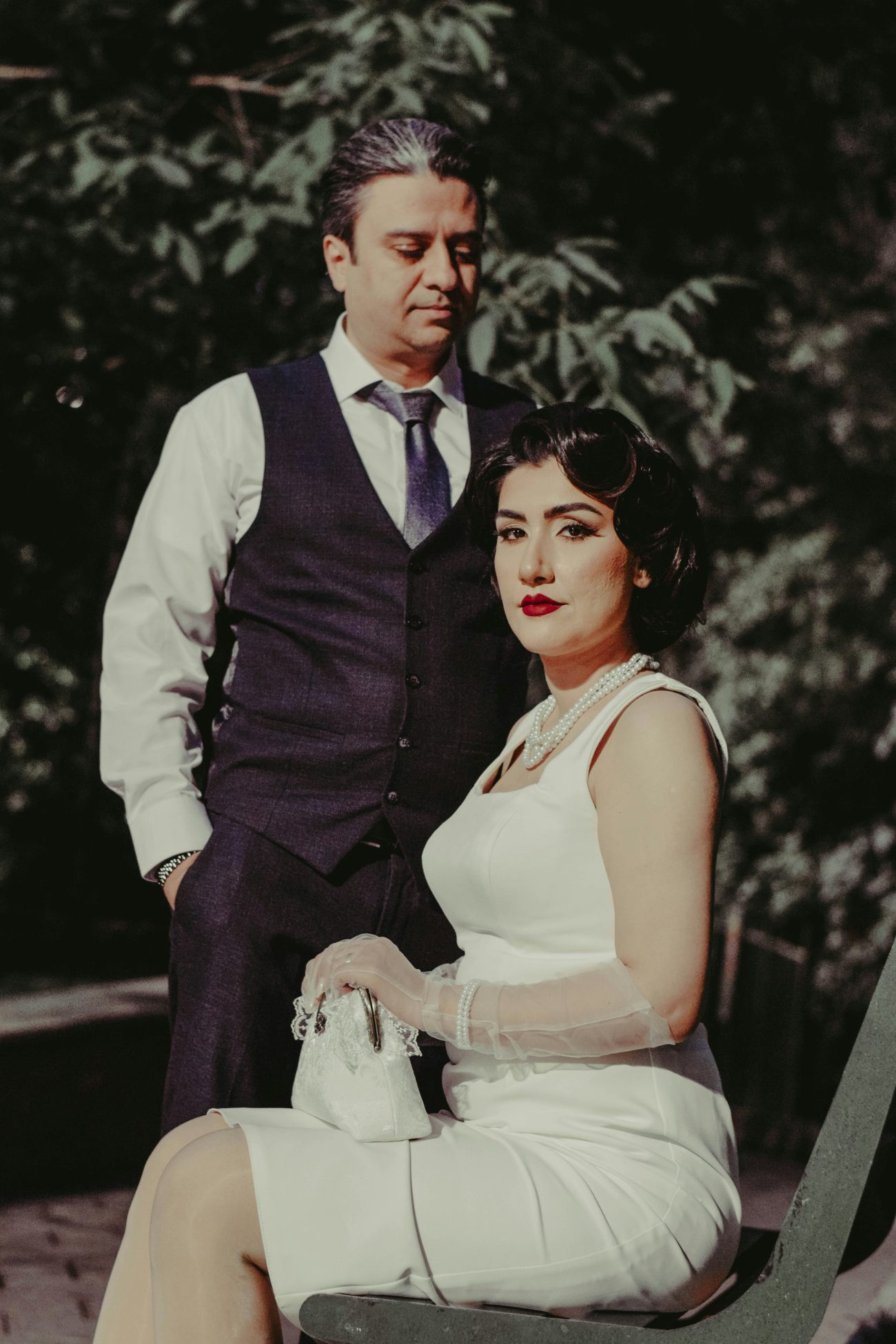
This experience is closely related to visual perception and the principles behind optical illusions.
Importantly, an image does not have to be digitally altered to create an illusion-like effect. Ordinary objects arranged in an unusual way can be enough.
The Difference Between an Optical Illusion and a Manipulated Photograph
When an old photograph attracts attention because something appears unusual, people sometimes assume that the image has been edited.
That conclusion should be approached carefully.
A surprising visual effect does not automatically indicate manipulation.
There are several possible explanations for an unusual appearance:
- Perspective: The camera angle may cause separate objects to overlap.
- Lighting: Shadows and reflections may make shapes difficult to distinguish.
- Composition: People and decorations may be positioned in ways that create unexpected visual relationships.
- Photographic aging: Changes in contrast, fading, and image quality may affect how details appear.
- Digital reproduction: Scanning, compression, cropping, or online resizing may alter the appearance of an original photograph.
These possibilities should be considered before making claims about editing.
Establishing whether a photograph has been manipulated requires more than noticing something unusual. Researchers may need access to an original print, photographic negative, early publication, or reliable archival documentation.
Without that evidence, it is better to distinguish between what is visibly present and what remains uncertain.
This is especially important when photographs circulate online without their original captions or historical context.
An image can be genuine while its accompanying story is incomplete, exaggerated, or incorrect.
What Historical Photographs Can Tell Us About Earlier Generations
One reason people enjoy examining old photographs is that they offer a visual connection to periods they may never have experienced.
A single image can reveal details about clothing, interior decoration, hairstyles, and the way people presented themselves in public.
Formal clothing, for instance, can suggest that a photograph was taken during a special occasion. However, without additional information, it is difficult to determine precisely what that occasion was.
A decorative curtain might indicate a formal setting, but it does not establish whether the photograph was taken at a wedding, reception, public gathering, or private celebration.
The same caution applies to the people pictured.
A photograph can show two individuals standing together, but it cannot necessarily establish their relationship. They might be relatives, friends, colleagues, performers, or guests attending the same event.
Understanding these details requires reliable information beyond the photograph itself.
That does not reduce the value of the image. It simply reminds us that photographs preserve appearances more readily than explanations.
Why Old Photographs Feel Different From Modern Pictures
Modern photography is almost effortless.
A person can take dozens of pictures within minutes, immediately review them, delete unwanted images, and share the best version online.
Earlier photographic processes were often more deliberate.
Depending on the period and equipment, taking a photograph could require preparation, careful positioning, controlled lighting, and specialized materials. The photographer might have had fewer opportunities to capture the perfect expression or composition.
Formal portraits were particularly planned.
People often selected their clothing, arranged their appearance, and followed the photographer’s instructions. The result was intended to preserve a polished image of the occasion.
This helps explain why many older photographs have a carefully arranged quality.
They were not necessarily spontaneous records of everyday life. Some were created specifically to be kept, displayed, or shared with family members.
Over time, these images gained additional meaning.
A photograph that once represented an ordinary afternoon may eventually become a treasured family record. A picture taken at a public celebration may later provide historians with evidence of clothing, decorations, or social customs.
The passage of time changes how we look at photographs.
The Importance of Preserving Original Photographs
The growing popularity of historical images online also highlights the importance of preserving original photographs.
