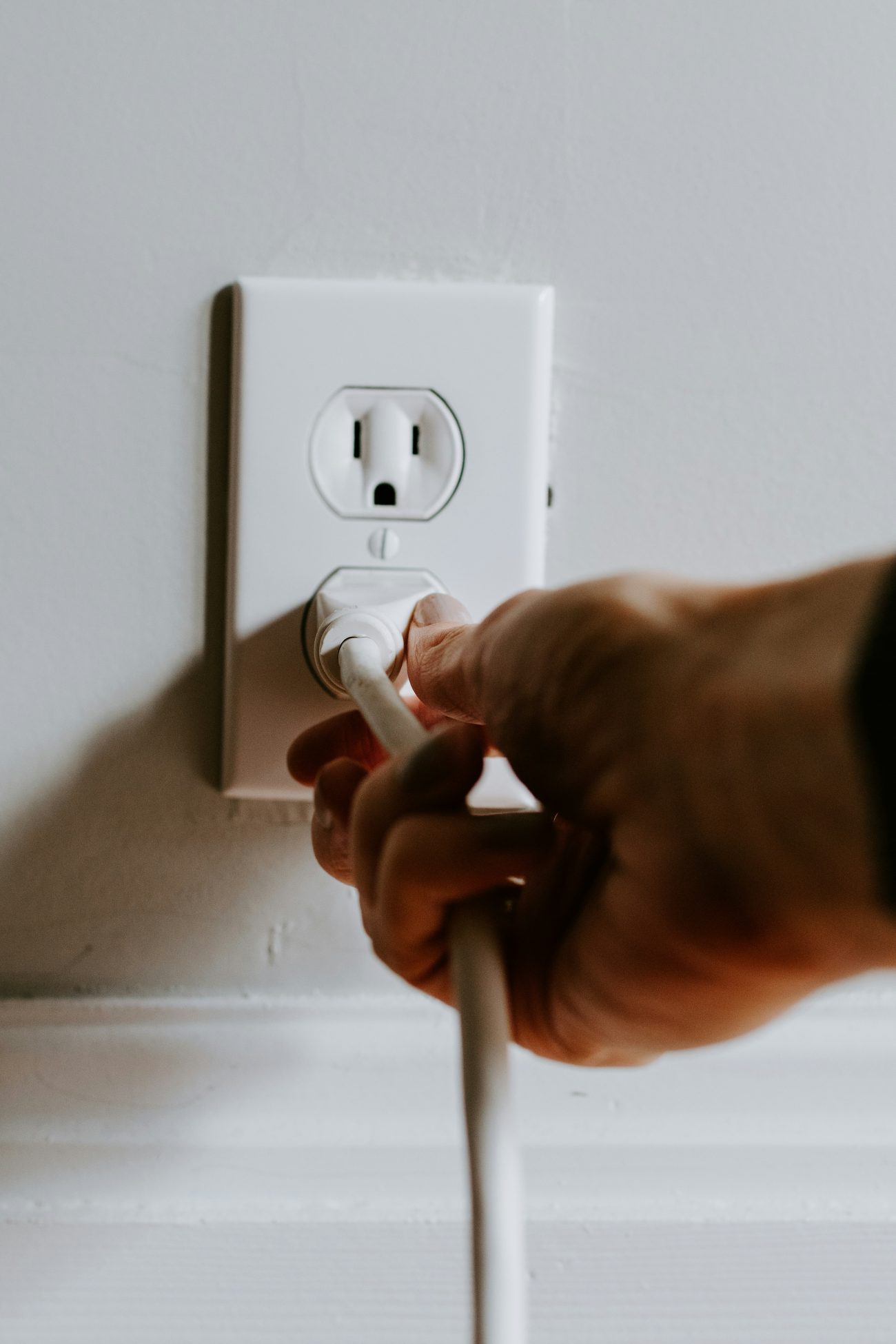
To estimate your own potential savings, you can use an electricity-monitoring plug designed to measure power consumption.
These devices can show how much electricity an appliance uses when operating and when it is supposedly switched off.
A measurement is more useful than guessing based on the appearance of a device or the brightness of its indicator light.
How to Find Out Which Devices Are Using Electricity
If you want to reduce standby consumption more effectively, start by identifying the appliances that actually use power when inactive.
A few simple steps can help.
Check the Manufacturer’s Specifications
Some appliance manuals list standby consumption or provide information about energy-saving modes.
Look for terms such as standby power, off-mode power, sleep mode, or network standby.
This can help you understand whether the device continues using electricity after being switched off.
Use an Electricity-Monitoring Plug
A compatible energy-monitoring plug can measure the power drawn by an appliance.
You can use it to compare consumption when the device is operating, sleeping, and switched off.
Make sure the monitoring device is suitable for the appliance’s electrical rating.
Review Energy-Saving Settings
Some televisions, computers, consoles, and other electronics include settings designed to reduce power consumption while inactive.
Look for options that disable unnecessary background functions or reduce the amount of time a device remains in standby mode.
Check Your Household Habits
Think about which appliances remain connected even when nobody uses them.
A bedroom television, an unused printer, an old gaming console, or several chargers may be easy places to begin.
You don’t need to change everything at once.
Start with the devices that are used least frequently and are safe to disconnect.
Can Unplugging Appliances Improve Electrical Safety?
Reducing standby power is primarily an energy-saving measure, but there can also be a practical safety benefit in certain situations.
Electrical equipment can become dangerous when cords, plugs, outlets, or internal components are damaged.
Faulty wiring, overheating connections, defective equipment, and overloaded electrical circuits can create fire hazards.
Disconnecting an appliance when it isn’t needed can reduce the time it remains connected to the electrical supply. However, unplugging devices does not guarantee protection from electrical fires.
Proper maintenance remains essential.
Homeowners should periodically inspect visible power cords and plugs for signs of damage. Look for cracked insulation, loose connections, discoloration, unusual heat, or burning smells.
If an appliance produces sparks, repeatedly trips a circuit breaker, or becomes unusually hot, stop using it and arrange for a qualified electrician or repair professional to inspect it.
Never ignore warning signs simply because an appliance appears to work normally.
It is also important to avoid pulling a plug out by its cord. Hold the plug itself when disconnecting equipment, and keep electrical connections away from water.
For additional protection, follow the manufacturer’s safety instructions and avoid using damaged extension cords or overloaded outlets.
Five Simple Habits That Can Reduce Unnecessary Electricity Use
You don’t need to turn household energy management into a complicated daily routine.
A few practical habits can make the process easier.
1. Check chargers before leaving a room. If a charger isn’t being used, disconnect it when appropriate.
2. Switch off suitable entertainment equipment. Review whether televisions, consoles, and speakers need to remain in standby mode overnight.
3. Use power strips for groups of electronics. This makes it easier to disconnect several suitable devices together.
4. Review energy-saving settings. Many modern appliances offer lower-power standby options.
5. Avoid disconnecting essential equipment. Refrigerators, freezers, medical devices, and other appliances that require continuous power should remain connected.
The best routine is one that is simple enough to maintain.
If you make energy checks part of your normal evening routine, you may gradually become more aware of which appliances are using electricity unnecessarily.
Small Changes Can Make a Difference Over Time
Reducing household electricity consumption doesn’t always require purchasing expensive new appliances or making major changes to your home.
Sometimes, it begins with understanding how the devices you already own work.
A television that appears to be off may still be waiting for a remote-control signal. A coffee machine may keep its clock running. A gaming console may remain connected to the internet.
These small amounts of standby electricity can add up, especially when several devices remain connected continuously.
The actual savings will depend on your household equipment and electricity rates, so unplugging one charger should not be expected to transform your monthly bill.
But identifying unnecessary power use and making sensible adjustments can help reduce wasted electricity.
Start with a few suitable devices. Check their instructions, consider a switched power strip, and leave essential appliances connected.
Most importantly, remember that saving electricity is not about unplugging everything in sight. It is about understanding what your appliances need and avoiding unnecessary consumption when they don’t need to be running.
A few seconds spent checking unused electronics may seem insignificant, but repeated small improvements can help make a household more energy-conscious over time.
