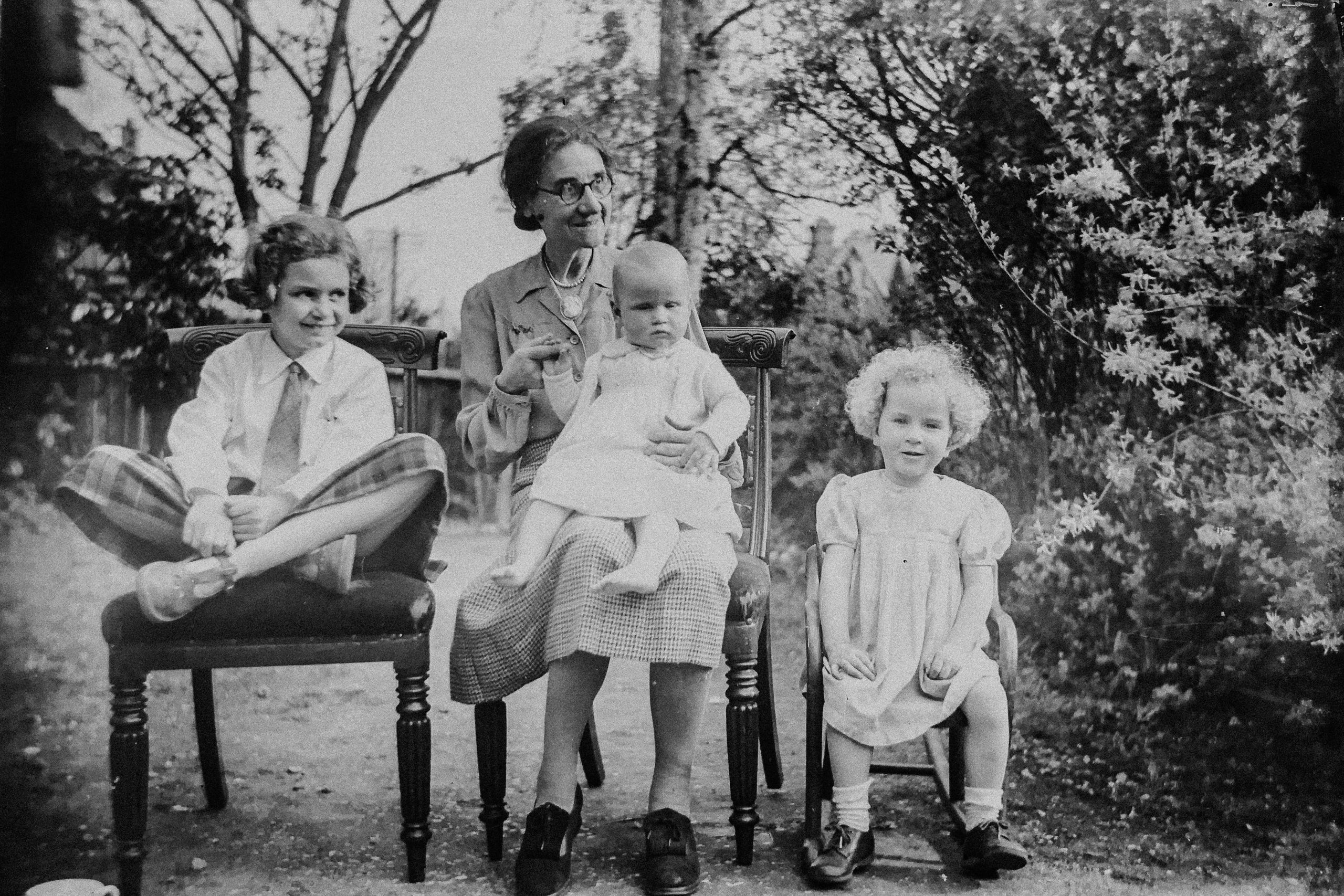
The shape of a jacket, the length of a skirt, the style of a hat, or the way someone wears a particular accessory may help narrow down the possible historical period.
However, clothing should not be treated as an exact dating method.
Fashion trends do not disappear immediately when a new style becomes popular. People often continue wearing older garments for many years, particularly when clothing is expensive or difficult to replace.
Geography also matters. A style that became fashionable in one country might have appeared much later in another.
Social class, occupation, age, and cultural traditions can also influence clothing choices.
A photograph showing several people wearing similar garments might document a uniform, a professional dress code, or a particular community tradition. Meanwhile, differences between individuals may reveal variations in personal preference or economic circumstances.
Accessories can be equally informative.
Gloves, watches, handbags, shoes, jewelry, and hats may all provide additional clues about the time period and social environment.
Even small details, such as the shape of a collar or the buttons on a coat, can become useful when compared with documented examples from historical fashion collections.
Looking closely at clothing transforms an old photograph into something more than a collection of faces. It becomes a visual record of how people presented themselves to the world.
3. Hairstyles and Personal Appearance Tell Their Own Stories
Hairstyles are another fascinating element of historical photography.
The way people wore their hair often reflected changing fashion trends, cultural traditions, practical considerations, and personal preferences.
A photograph from one decade may show carefully arranged hairstyles, while another may reveal shorter cuts, different grooming practices, or accessories that became popular during a later period.
For women, hairstyles might include elaborate arrangements, pinned curls, braids, or decorative headpieces. For men, changes in facial hair, sideburns, and haircut styles can also provide historical clues.
However, personal appearance is not simply about fashion.
Hair length and grooming practices may also reflect occupation, age, religious or cultural customs, and practical requirements.
For example, workers in certain professions may have chosen hairstyles that were easier to maintain. Others may have followed community traditions that remained consistent despite changing popular trends.
Photographs also reveal how much effort people sometimes put into preparing for the camera. In periods when having a photograph taken was an occasional event, individuals might have dressed carefully and arranged their appearance before sitting for a portrait.
This is particularly noticeable in formal family photographs, where several generations may appear in their best clothing.
Comparing hairstyles across different photographs can help researchers recognize broader changes in personal presentation. It can also remind modern viewers that ideas about beauty and appropriate appearance have never remained completely fixed.
4. Everyday Objects Reveal How People Lived
Some of the most revealing details in historical photographs are not worn by people or displayed on buildings. They are the objects surrounding them.
A kitchen appliance, a piece of furniture, a shop sign, a household tool, or an unfamiliar item on a table can provide a glimpse into the practical realities of another generation.
Consider a photograph of a family inside its home. The furniture, lighting, heating equipment, and household decorations may reveal how the space was organized and what conveniences were available.
A living room containing a large radio, for example, could reflect a period when radio broadcasting played an important role in family entertainment and access to news.
An older kitchen might contain cooking equipment that looks unfamiliar today. A shop could display products that have changed packaging or disappeared from the market altogether.
These details are particularly valuable because everyday objects are not always preserved in museums.
