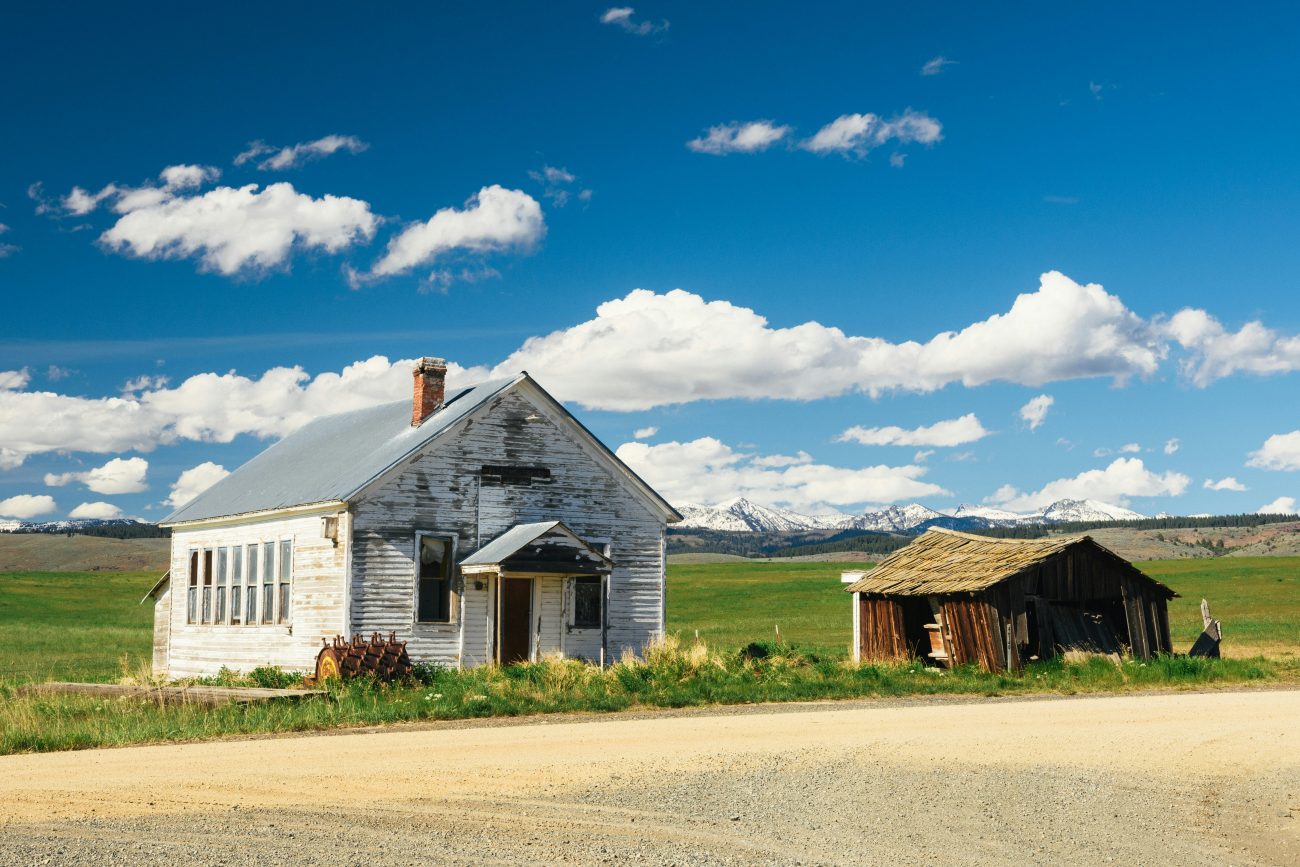
The visits were brief.
Sometimes he came home smiling because the bushes were doing well. Other times, he seemed thoughtful after seeing how the property had changed.
Our children also remembered the farm.
They would ask whether we could visit, and we explained that it belonged to someone else now. We didn’t want them growing up believing that family memories gave us a right to someone else’s property.
But we told them stories.
We talked about their grandmother’s garden, their grandfather’s barn, and the summers Luke had spent running through the fields.
Meanwhile, Walt continued attending his grandson’s baseball games.
He sat in the stands, watched the children play, and talked with us afterward.
The farm was rarely discussed.
I think all of us understood that it was a sensitive subject.
We didn’t want the property to damage the remaining relationships in our family.
Four years passed that way.
The savings account continued growing, and life continued around it.
Then the newspaper arrived.
The Auction Announcement
It was an ordinary morning.
I had finished making breakfast and was looking through the local newspaper when a small announcement caught my attention.
The property was going to auction.
I read the notice once.
Then I read it again.
It was the farm.
I immediately called Luke.
“Are you busy?”
“I’m getting ready for work. What’s wrong?”
“Nothing’s wrong. I need you to look at something.”
I took a photograph of the announcement and sent it to him.
A few moments later, my phone rang.
“Is that really the farm?” he asked.
“Yes.”
“Are you sure?”
I checked the details again.
The property description, location, and acreage matched.
The current owner had decided to sell, and the auction arrangements had already been finalized.
For the first time in four years, we had a real opportunity.
But excitement wasn’t enough.
We needed to know whether we could afford it.
Luke came home that evening, and we sat at the kitchen table with the savings notebook, our household budget, and the auction information.
We reviewed everything.
We contacted our banker and explained the situation. We wanted an honest assessment of what we could responsibly afford, including the possibility that we might need financing.
We didn’t want to win the farm and then discover that we couldn’t manage the payments.
After reviewing our savings, income, and other obligations, we established a maximum budget of $305,000.
That number was important.
It represented what we believed we could responsibly commit without putting our family’s financial future at risk.
We agreed that we would not exceed it.
“Even if someone else keeps bidding?” Luke asked.
“Even then.”
He nodded.
“We have to stick to the plan.”
I wrote the number in my notebook.
$305,000.
For the next few days, it was the figure I kept thinking about.
Preparing for Auction Day
As the auction approached, we made sure we understood the process.
We reviewed the property information, checked what was included in the sale, and spoke with the banker about how quickly we could arrange the necessary funds if we were successful.
We also made sure we understood the auction conditions.
Buying property at auction isn’t the same as making an ordinary offer on a house. The rules can be strict, and buyers need to know what they are agreeing to before raising a bidding card.
We didn’t want emotion to take over.
The farm meant a great deal to us, but we had worked too hard to put our family’s stability at risk.
Luke was quieter than usual as the day approached.
One evening, I found him looking through an old family photograph album.
