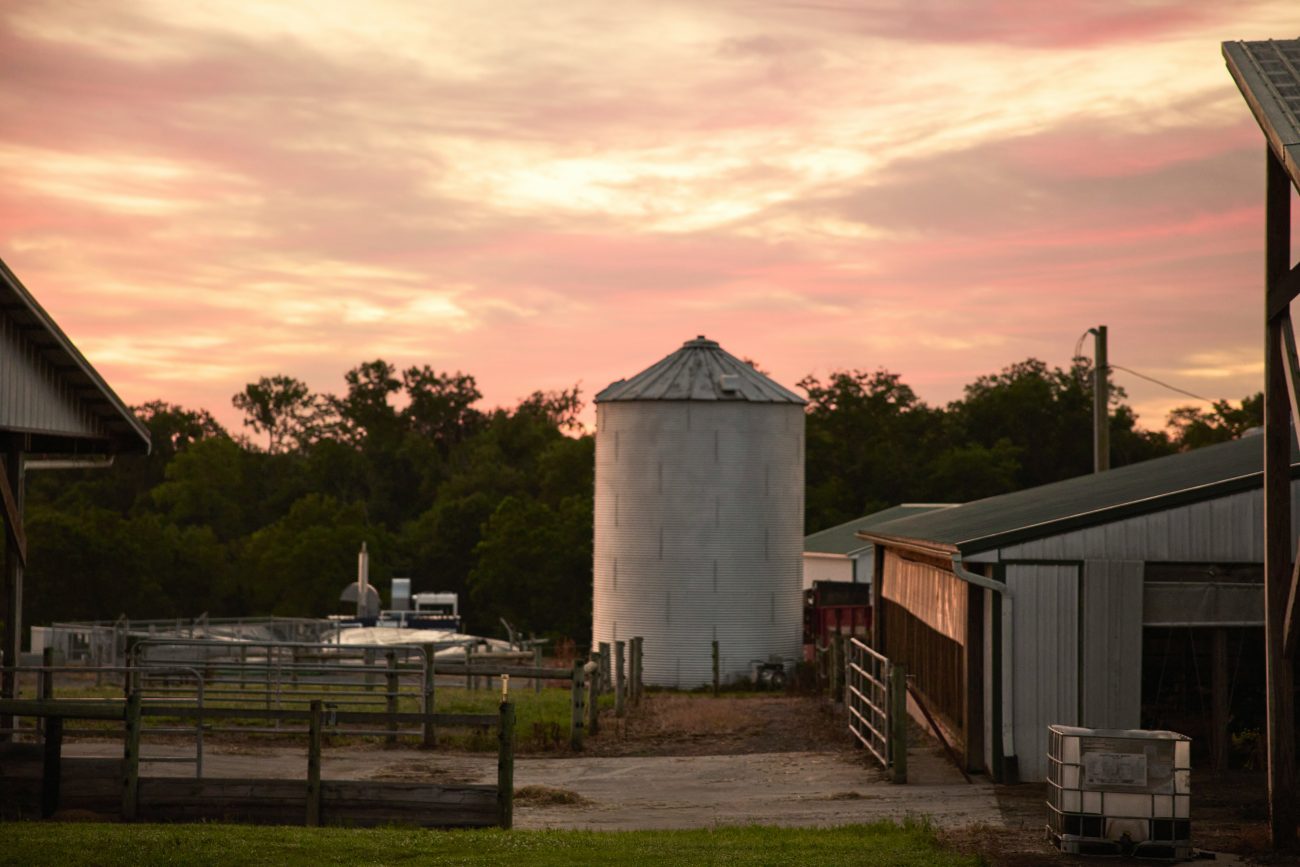
My Daughter Tried to Sell My 80-Acre Farm Without My Permission—Then I Discovered the Secret My Husband Had Left Behind
I had spent nearly fifty years building a life on that farm. My husband, Walt, had planted the apple trees, repaired the old barn, and taught me how to recognize the sound of rain coming across the fields. After he died, the property became more than a place to live. It was the last piece of the life we had made together.
So when a developer offered to buy our eighty acres, I politely declined.
Then they offered more money.
I declined again.
What I didn’t know was that my daughter, Amanda, had been telling the company something very different. For months, she had been suggesting that my farm would eventually become available. And when I finally learned what she had done, I discovered that the problem was much bigger than a disagreement over money.
The company had recorded a supposed verbal agreement I had never made. Meetings I had never attended were marked as completed. Someone had even submitted a document bearing a signature that looked like mine.
I thought I was dealing with a family betrayal and an aggressive development company.
I was wrong.
My late husband had left behind a letter explaining why he had protected our farm so carefully. And once I understood what was beneath those eighty acres, I finally understood why so many people were suddenly interested in owning them.
The Property Everyone Wanted
My name is Dorothy Mae Kessler, and I was seventy-two when the trouble began.
Walt and I had bought our farm decades earlier, when the house needed repairs, the barn had a leaking roof, and most of the fields were more weeds than pasture. We weren’t wealthy. We worked, saved, and improved the property a little at a time.
Walt was especially proud of the apple trees. He planted the first ones shortly after we moved in, and over the years he added more along the eastern edge of the property. There was a creek that ran behind the barn and a wooden bridge he built himself. The farmhouse wasn’t fancy, but every room held a memory.
Our daughter, Amanda, grew up there.
She learned to ride a bicycle on the gravel driveway, helped us gather apples in the fall, and spent summer evenings sitting on the porch with her father. When she married Daniel, we held a small family gathering in the backyard.
I never imagined that the same daughter would one day help strangers plan what to do with our land.
After Walt died, I continued living on the farm. Amanda visited occasionally, although her visits became less frequent as her career progressed. She worked for a commercial development company run by Tom Harlan, a businessman who had spent years acquiring properties for large projects.
I knew Amanda worked with acquisitions, but I didn’t understand the details of her job.
One afternoon, she mentioned that her company was considering a development somewhere near our county.
“They’re looking at several properties,” she said over coffee. “It could become a major shopping and business center.”
I didn’t think much about it until a letter arrived at my house.
The company wanted to discuss purchasing my eighty acres.
I called the number listed in the letter and explained that I wasn’t interested.
A few weeks later, another offer arrived.
Then another.
The amounts increased, but my answer remained the same.
I wasn’t looking for a buyer. I wanted to keep my home.
Amanda eventually told me that I should at least consider the financial benefits.
