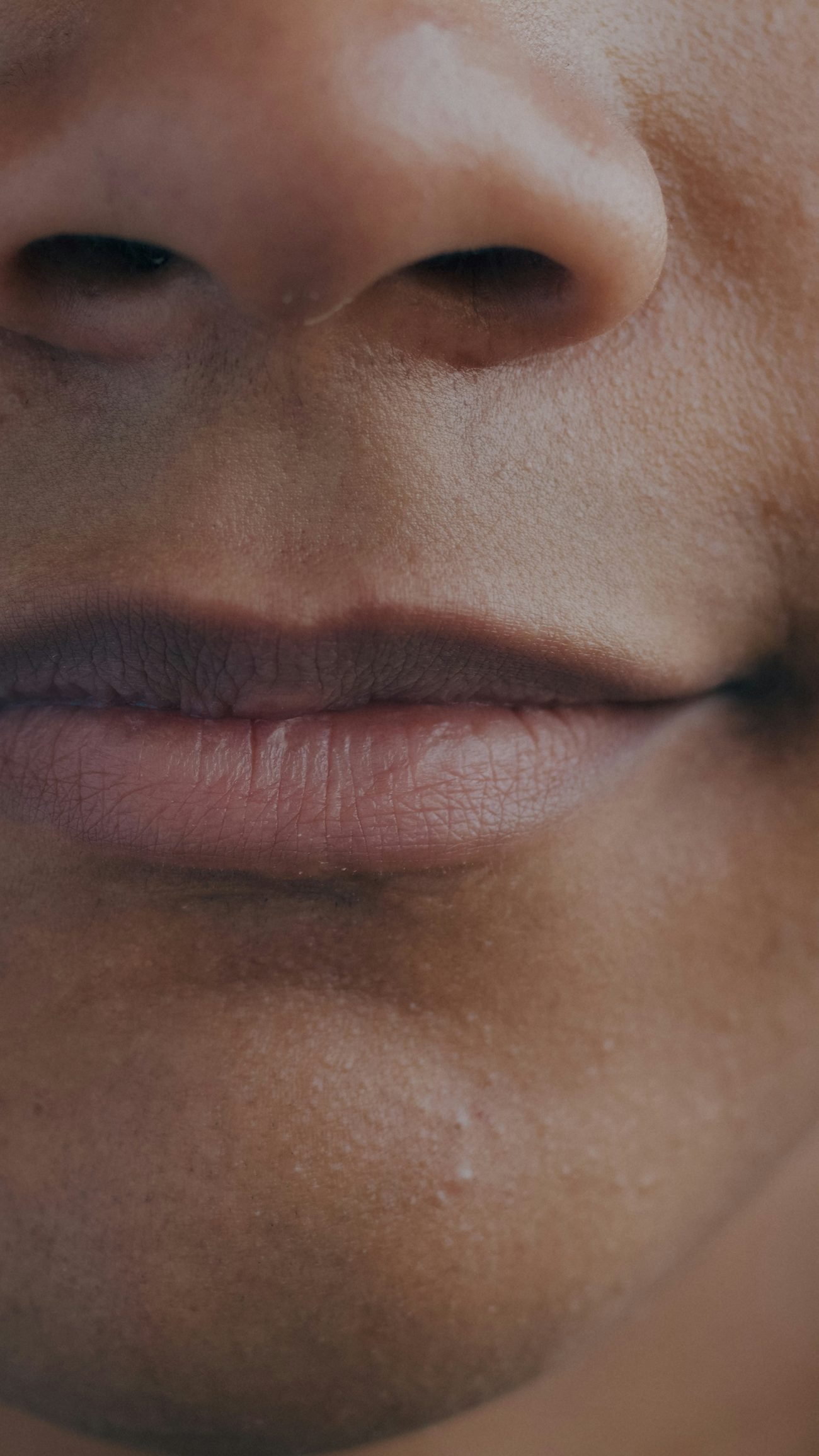
Rash Around the Mouth: How to Tell Impetigo, Perioral Dermatitis, and Other Skin Conditions Apart
A rash around the lips can be frustrating, uncomfortable, and sometimes difficult to identify. What begins as a few red bumps, dry patches, or irritated skin may gradually become more noticeable, leaving people wondering whether they are dealing with ordinary irritation, an allergic reaction, or something that needs medical treatment.
One important possibility is impetigo, a contagious bacterial skin infection that often produces distinctive honey-colored crusts. Another is perioral dermatitis, an inflammatory condition that typically causes small red bumps around the mouth. Although these conditions can appear in a similar area, they have different causes and generally require different approaches to treatment.
The challenge is that neither appearance nor location alone provides a reliable diagnosis. Several other skin problems can produce redness, flaking, bumps, or irritation around the lips. Trying random creams or aggressive skin-care products may make the situation worse, particularly when the underlying condition has not been identified.
Understanding the differences can help you recognize when to seek medical advice, what to avoid while waiting for an appointment, and why choosing the right treatment matters.
What Does a Rash Around the Lips Look Like?
Skin irritation around the mouth can take several forms. Some people develop tiny red bumps, while others notice dry, flaky skin, itching, burning, or patches of redness.
The rash may appear directly beside the lips, around the corners of the mouth, beneath the nose, or across the skin surrounding the chin. In some cases, the lips themselves become dry or cracked. In others, the lips remain relatively unaffected while the surrounding skin develops visible changes.
The pattern can offer useful clues, but it is not enough to confirm the cause.
For example, small bumps arranged around the mouth may suggest perioral dermatitis. A patch that develops blisters, breaks open, and forms yellowish crusts may raise concern for impetigo. Redness that appears after using a new cosmetic or toothpaste could point toward contact irritation or an allergic reaction.
Because these conditions overlap, a healthcare professional may need to examine the skin and ask about recent products, medications, and changes in symptoms.
Impetigo: A Contagious Bacterial Infection
Impetigo is a superficial bacterial skin infection that commonly affects children but can also occur in adults. It is especially recognizable when the affected skin develops sores that break open and form characteristic golden or honey-colored crusts.
The infection is commonly caused by Staphylococcus aureus or Streptococcus pyogenes bacteria. It can develop when bacteria enter the skin through a small cut, scratch, insect bite, or area of irritated skin.
The area around the nose and mouth is a common location, although impetigo can appear elsewhere on the body.
Common Signs of Impetigo
Depending on the type and stage of infection, symptoms may include:
- Small red sores or blisters.
- Fluid-filled areas that break open.
- Moist skin beneath the affected area.
- Honey-colored or yellowish-brown crusts.
- Mild itching or discomfort.
- Additional sores appearing nearby.
The crusting is one of the most recognizable features, but not every case looks exactly the same. Some forms of impetigo produce larger blisters, while others create smaller sores that spread across the skin.
Why Impetigo Needs Attention
Impetigo can spread from one area of the body to another, particularly when someone scratches the sores and then touches nearby skin.
It can also pass between people through direct contact with infected skin or contaminated items such as towels, clothing, and bedding.
This is why hygiene precautions matter when impetigo is suspected. Avoid touching or picking at the sores, wash your hands regularly, and do not share personal items that come into contact with the affected area.
