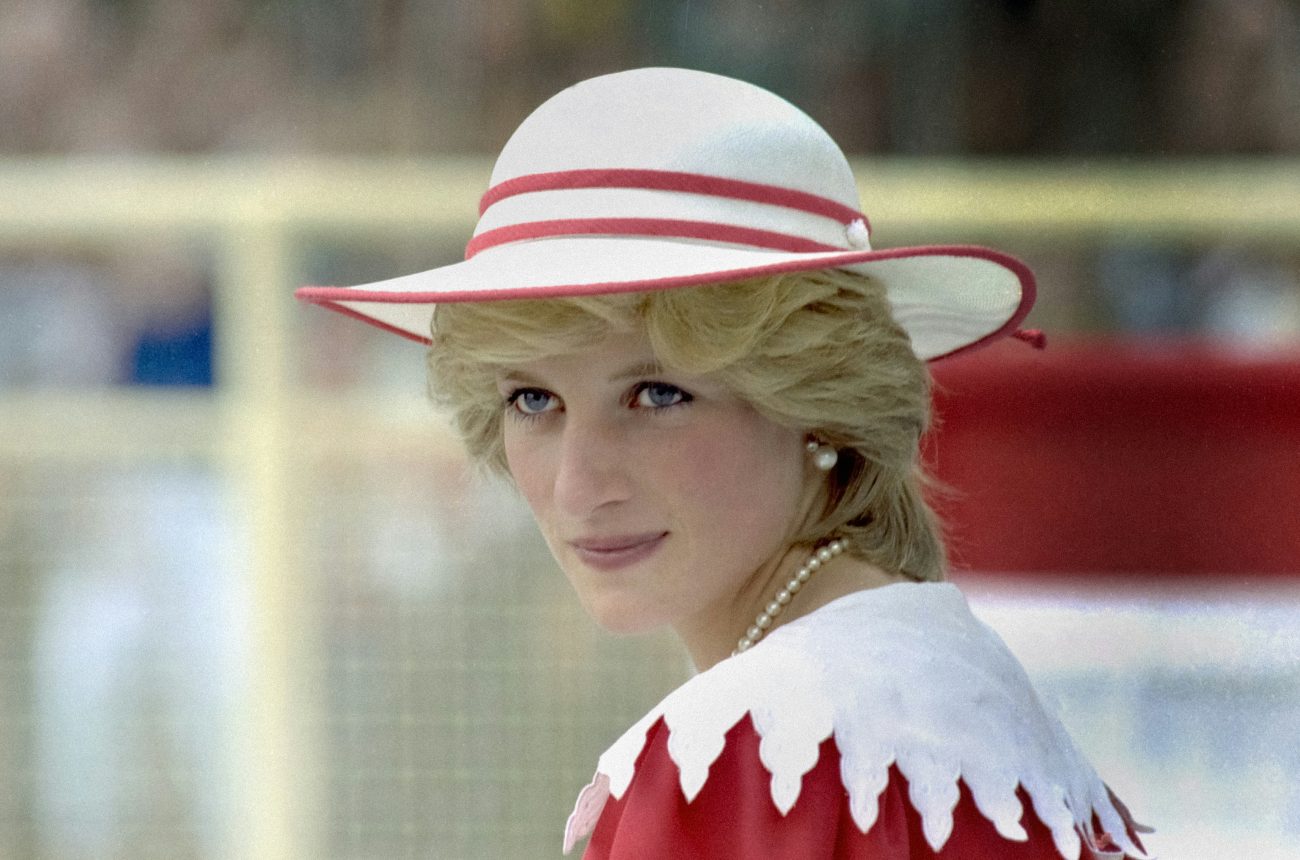
Photographs of her wearing protective clothing and walking through a marked minefield became some of the most recognizable images from the final year of her life.
The visit attracted international attention to the long-term consequences of landmines and the people living with their effects.
National Geographic includes the Angola visit among the defining humanitarian moments captured in photographs of Diana’s life. <Cite refs={[“turn136219search1”]}/>
Her involvement helped bring greater public visibility to the campaign for action against anti-personnel mines. The issue was particularly important because the danger did not end when a conflict was officially over.
For communities affected by these weapons, the threat could remain for years.
The photographs from Angola are a reminder that Diana’s public work was not confined to familiar royal causes. She also used her visibility to highlight an international humanitarian problem with serious consequences for ordinary families.
The Person Behind the Famous Smile
Diana’s smile became one of the most recognizable features of her public image. It appeared in countless photographs, from royal engagements to family outings and charitable visits.
But no photograph can represent an entire life.
Diana experienced public admiration, personal difficulties, family responsibilities, and the extraordinary pressure of living under constant media attention.
Her life included joyful moments as well as periods of uncertainty and emotional strain. She spoke publicly about some of the difficulties she experienced, including the pressures associated with her marriage and public role.
That contrast makes photographs from less formal settings particularly interesting.
An image of Diana laughing with her sons shows a family moment. A photograph from a hospital visit preserves an interaction with someone she was meeting. A picture from a holiday captures a different setting from the carefully planned atmosphere of a royal ceremony.
Each image offers one small part of a much larger story.
It is important not to assume that photographs reveal private thoughts or feelings that cannot be seen. What they can do is preserve the circumstances, people, and moments that formed part of her public and personal history.
Why Her Photographs Continue to Attract Attention
More than two decades after her death on August 31, 1997, Diana remains a subject of international interest.
Her photographs continue to appear in documentaries, magazines, exhibitions, and retrospective collections. Some focus on her fashion influence, while others explore her childhood, motherhood, humanitarian work, or relationship with the royal family.
There are several reasons these images continue to resonate.
First, they document a period of major change in the British monarchy and its relationship with the public. Diana became a highly visible figure during a time when television, newspapers, and international photography brought royal life into homes around the world.
Second, her photographs cover a remarkably wide range of experiences. They show her as a young woman, a bride, a mother, a public figure, and a campaigner for humanitarian causes.
Finally, the images allow people to encounter different aspects of her story. Someone interested in fashion may be drawn to her iconic outfits, while another person may find the photographs of her sons or charity visits more meaningful.
National Geographic’s photographic retrospective, for example, brings together images from her childhood through her final years, including family photographs and moments from her humanitarian activities. <Cite refs={[“turn136219search1”]}/>
This variety helps explain why interest in her life has continued across generations.
A Legacy Remembered Through More Than Photographs
Diana died in a car crash in Paris on August 31, 1997, at the age of 36. Her death prompted widespread mourning, and her funeral at Westminster Abbey became a major international event. <Cite refs={[“turn136219search0″,”turn136219search6”]}/>
Her legacy, however, is not limited to the circumstances of her death or the public reaction that followed.
