“You brought twenty unauthorized guests onto my property after I explicitly said no,” I replied. “That is not a family visit. That is trespassing.”
My mother grabbed the phone from him.
“You’re out of your mind! We raised you. We have every right to use a house you barely even set foot in.”
That sentence was familiar.
My parents had a way of turning every sacrifice they had made while raising me into a permanent debt. Whenever I disagreed with them, they brought up the past as though childhood were an invoice that could never be paid in full.
I stayed quiet for a moment.
Then I said, “Hang up the phone, Mom. Speak with the officer.”
I ended the call.
On the camera feed, the atmosphere had changed completely. The sheriff was speaking with authority now. The guests had stopped smiling, and one person had already begun dragging a suitcase toward the driveway.
My father stood staring at the house as though the building itself had betrayed him.
In his mind, perhaps it had.
He had expected the property to behave like an extension of his own home. He had expected me to accept his decision simply because he had made it.
But the sheriff was no longer interested in family explanations.
By late afternoon, the driveway was empty.
The guests left after the sheriff made the consequences clear: they could depart immediately or risk formal trespassing charges.
Cars backed out one after another. Doors closed. Engines started. The same people who had arrived expecting a relaxing vacation now seemed eager to put as much distance as possible between themselves and the property.
My mother left without her usual final speech. She only gave the windows a long, angry look.
My father was the last to go.
He stood beside his car, phone in hand, as though he expected someone to come outside and apologize. When nobody appeared, he finally got in and drove away.
The gravel driveway swallowed the sound of the departing vehicles.
Silence returned.
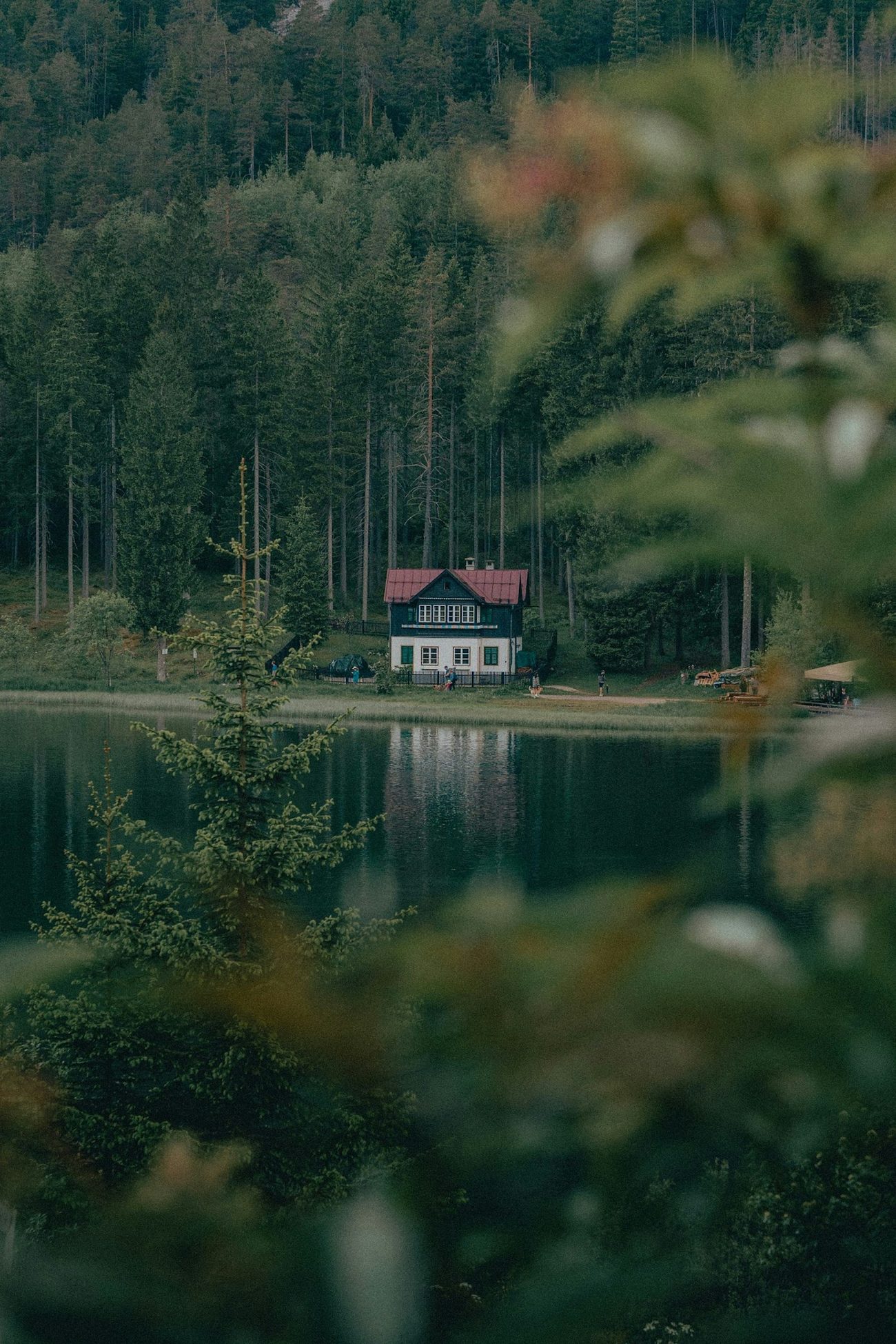
It was the kind of quiet I had wanted when I bought the lake house. I had imagined mornings beside the water, evenings without interruptions, and a place where I could finally step away from everyone else’s demands.
I should have felt relieved.
Instead, I felt uneasy.
I knew my father. He had never been good at respecting boundaries. He tested them repeatedly, waiting for the other person to become exhausted enough to stop defending them.
The sheriff had made him leave.
That did not necessarily mean he had accepted the decision.
The Door That Should Have Been Locked
The following morning, I drove back to the lake house.
The road passed through dense pine trees, and the lake appeared between the branches in brief flashes of silver. It was a beautiful drive, usually one of the few parts of my week when I could relax.
That morning, I barely noticed the scenery.
As soon as I pulled into the driveway, something felt wrong.
The front door was slightly open.
I stopped the car and stared at it.
I had locked every remote access point after the previous day’s confrontation. I had updated the passcodes, reset entry permissions, and made sure the security system was active.
Yet the door stood open.
I stepped out slowly and looked around the property. There was no broken glass and no obvious damage to the entrance.
It did not look like someone had forced their way inside.
It looked as though someone had simply unlocked the door.
Before entering, I checked the security system on my phone.
