Her voice broke.
“I thought keeping you alive was more important than telling you everything. But surviving is not the same as living, sweetheart. The truth was your right.”
The recording continued for several minutes.
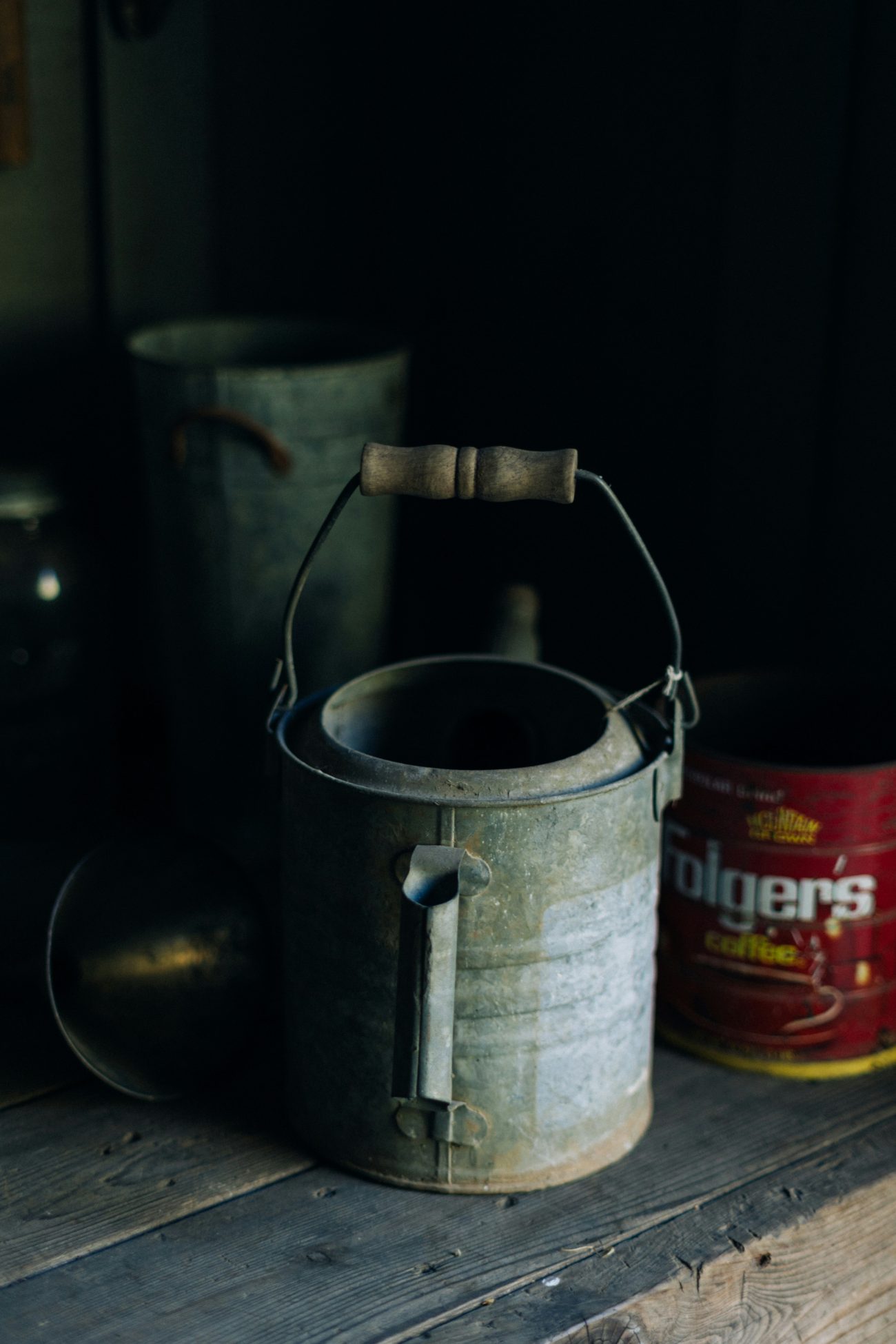
She explained that the flour canister held the money she had managed to preserve. The storage unit contained the records she could not safely keep at home.
She also apologized for allowing me to believe that the accident had been my fault.
I listened until the recording ended.
Russell stood beside me, crying.
“I’ll testify,” he said.
I looked at him.
“Even if it destroys what remains of the family?”
He wiped his face.
“What remains was already destroyed. We just kept pretending.”
For the first time that night, I believed he might finally be ready to tell the whole truth.
The Investigation and the Cost of Knowing
By morning, we had contacted the attorneys and transferred the records for review.
The original settlement documents, banking records, photographs, and Wayne’s recorded confession gave investigators material they could examine together.
Some of the people connected to the events were already dead. Others could no longer be located. That meant not every question could be answered, and not every dollar could be recovered.
But the records helped establish that the settlement had been diverted and that the accident had not happened in the way I had been told.
The financial investigation also revealed how much of the original money had moved through accounts connected to Wayne and Daniel.
The $18,940 from the flour canister was only a small part of what had once belonged to me.
I did not suddenly become wealthy.
No amount of money could give me back the years I spent believing that my injury had been an accident. No settlement could restore the seventeen-year-old girl who had trusted her family to protect her.
But I finally had something I had been denied for most of my life.
The truth.
Russell kept his promise and provided a statement about what he knew. His cooperation did not erase his silence, and I did not pretend that our relationship could return to the way it had been before.
Trust takes time.
Sometimes it takes longer than a lifetime.
I decided to keep a portion of the recovered money for myself. The remaining funds I could responsibly set aside went toward establishing a small trust to help young victims of vehicle accidents who needed medical and legal assistance.
It was not a way to repair my past.
It was a way to make something useful out of what had been done to me.
The Last Letter From Mama
Three months after the storage unit was discovered, a letter arrived from the attorney.
It contained no financial figures or complicated legal language.
It said Mama had left one final instruction.
The attorney asked me to visit the office.
When I arrived, she placed a small envelope on the table.
“Your mother asked me not to give this to you until the investigation had reached its conclusion,” she explained.
Inside was a photograph of Mama and me when I was about ten years old.
We were sitting on the front porch steps. I was leaning against her, and she had one arm around my shoulders.
On the back, she had written:
The day I realized I could not protect you from everything.
Below that was another sentence:
But I could make sure you would never have to face the truth alone.
I began to cry.
For years, I had wondered why Mama had not told me what happened. I was still angry that she had allowed so much time to pass. Her fear had cost me something that could never be returned.
