Posted in

# My Husband Used My Name to Secure a $186,400 Loan Against My Family Farm — Then I Discovered the Truth At 68, Joanne thought she had finally found a way to regain control of her life. After decades of allowing her husband, Alden, to make nearly every financial decision, she had opened an account for her pension, arranged to rent part of her pasture to the neighbors, and begun standing up for herself. She expected resistance. What she did not expect was to discover that her name had been attached to a $186,400 loan she knew nothing about. The farmhouse and its 40 acres had belonged to her father before he transferred the property to her in 1981. Yet the paperwork sitting on her kitchen table suggested that someone had used the property as collateral—and that Joanne had supposedly agreed to it. As she began asking questions, the story became more troubling. Money from the loan appeared to have gone to members of Alden’s family and even toward a purchase she had been told the household could not afford. What began as a disagreement over goats, pasture rental, and retirement income was turning into a much more serious fight to protect her home and her identity. ## The Goats That Started a Much Bigger Argument The first sign that something had changed was the sight of goats grazing across the pasture. Alden walked toward the front window and stopped. Several animals were feeding beneath an old oak tree, while younger goats jumped around near the temporary fencing. He turned toward Joanne, demanding to know why the animals were on their land. Joanne calmly reminded him that the pasture had been rented to their neighbors, Miriam and her husband. The arrangement brought in $350 a month, with the neighbors responsible for maintaining the fencing, caring for the water troughs, and carrying their own insurance. Alden was furious that she had made the arrangement without consulting him. Joanne did not argue. Instead, she retrieved a manila envelope containing three documents: a certified copy of her property deed, the pasture rental agreement, and confirmation that her pension payments were now going into a bank account under her exclusive control. The deed was the most important document. It showed that the farmhouse and all 40 acres had been transferred to Joanne by her father in 1981. Alden insisted that their 45 years of marriage meant the property belonged to both of them. Joanne disagreed. She had decided to take responsibility for the property and money that were legally hers rather than continue accepting the financial arrangement he had controlled for years. When Alden demanded her new account details, she refused. It was a small answer, but it represented a major change. For decades, he had known her passwords, account information, and retirement details. He had never imagined she would tell him no. Joanne reminded him that she had spent years listening to his argument that the person earning the paycheck should make the decisions. Now she was applying that same reasoning to her own property and retirement income. Alden did not accept the explanation. He demanded that she call Miriam and have the goats removed, even threatening to contact the sheriff. Joanne refused to cancel the agreement. For once, she did not feel obligated to win the argument. She simply wanted to protect her home and her future. ## Her Husband’s Family Did Not Understand Why She Was Speaking Up Alden spent much of that evening calling his sisters, presenting Joanne’s decisions as unreasonable and suggesting that the neighbors had influenced her. His older sister, Brenda, eventually called Joanne herself. She accused her of renting out Alden’s property and moving retirement money without permission. When Joanne asked why Brenda considered the farm her brother’s property, the conversation became uncomfortable. Brenda argued that it was family property and reminded Joanne that Alden had worked his entire life. Then she made a dismissive comment about Joanne’s career. Apparently, delivering mail was not work worth respecting in Brenda’s eyes. Joanne had spent 31 years with the postal service. She had worked through difficult weather, carried packages along rural roads, and served people who depended on their mail. She knew elderly residents who struggled to collect their deliveries and had become familiar with families throughout the community. Her work had mattered, even if Brenda refused to recognize it. Joanne ended the conversation without apologizing. The next morning, Alden tried a different approach. He prepared coffee, placed his paycheck beside her cup, and suggested they forget the disagreement. His proposed solution, however, required Joanne to cancel the pasture agreement and return her pension to their joint account. He promised to take care of the money and the household expenses as he always had. When she asked what would happen if he closed the account again, he assured her that he would not. But when she asked whether she would be free to spend her own money without seeking his approval, he said she should discuss purchases with him first. Joanne recognized the arrangement immediately. It was the same system she had finally decided to leave behind. She told him she would not return to it. ## A Neighbor’s Kindness Offered a Different Kind of Support Miriam visited later that afternoon, bringing a covered dish of homemade chicken and dumplings. She had heard about the commotion and wanted to see how Joanne was doing. During their conversation, she mentioned that she and her husband were interested in extending the pasture agreement for five years. They would continue paying monthly rent and maintaining the fencing and water system. Joanne considered the offer. A longer agreement could provide dependable income while ensuring that the pasture remained cared for. Miriam also offered another form of help. Her husband knew someone who repaired older houses and might be able to look at Joanne’s troublesome water heater. The offer touched Joanne. She had spent so much of her life helping other people that accepting assistance felt unfamiliar. Miriam reminded her that there was nothing wrong with letting someone help her in return. That kindness stood in contrast to Alden’s reaction when he later saw Miriam sitting on the porch. He questioned why she was there and insisted that the disagreement was a private family matter. Miriam did not argue. She simply suggested that family matters should be discussed respectfully, then returned home. Alden immediately told Joanne they were going to the bank to correct the situation. She refused. Before he could continue, his phone rang. It was Brenda, and the conversation appeared to concern something more serious than the pasture rental. Alden asked how much, when, and what had happened. His expression changed as he listened. Soon afterward, he began receiving more calls and messages. By that evening, he placed a thick envelope on the kitchen table and asked Joanne to be honest with him. Inside was a financial document showing a balance of **$186,400**. Joanne read the amount twice. Then she examined the signature at the bottom. It was supposed to be hers. But she had never signed it. ## The $186,400 Loan Joanne Knew Nothing About The paperwork listed Joanne’s full name and farmhouse address. It also described the 40 acres her father had transferred to her. The signature looked similar to hers, but she knew it was not genuine. After 31 years working for the postal service, Joanne was accustomed to handling official correspondence and paying attention to details. She knew her handwriting and recognized the difference between her real signature and the one on the document. She asked Alden when the loan had been arranged. He eventually admitted it had been about 18 months earlier. The money, he explained, had been borrowed to help Brenda’s son and his struggling trucking business. But the loan paperwork appeared to use Joanne’s property as security. She had not known about the arrangement, had not agreed to guarantee the debt, and had never knowingly authorized anyone to use her property as collateral. When she asked whether Brenda knew, Alden hesitated before admitting that she did. Joanne immediately understood that this was no longer an ordinary marital disagreement. She told Alden she was contacting an attorney. He tried to persuade her to handle the matter privately, but she refused. Someone had apparently used her name on a substantial financial document, and the property she had inherited from her father was involved. She was no longer willing to settle everything through another conversation at the kitchen table. That night, she barely slept. Her greatest fear was no longer what might happen to her marriage. It was what might happen to the farmhouse her father had worked so hard to provide. ## An Attorney Begins Examining the Paperwork The following morning, Joanne contacted an attorney named Rebecca Lawson. At their first meeting, Rebecca listened carefully and examined the loan documents. She asked whether Joanne had signed the application, given Alden permission to sign on her behalf, or knowingly agreed to use the property as collateral. Joanne answered no to all three questions. Rebecca explained that they needed the complete loan file, including the original application, any notarization records, and the property documents submitted to the lender. She did not promise an immediate solution. Instead, she explained that the disputed signature and alleged unauthorized use of the property were serious issues that needed to be investigated. Joanne was frightened that she might lose her home. Rebecca advised her to secure her financial accounts, update her passwords, preserve copies of relevant paperwork, and avoid signing anything presented by Alden or another family member until it had been reviewed. For the first time, Joanne felt that protecting herself was being treated as a reasonable decision rather than an act of disloyalty. When she returned home, Alden was angry that she had actually consulted a lawyer. He warned that involving an attorney could make the situation worse. But Joanne wanted an explanation for how her signature had appeared on the loan documents. Alden’s response was not reassuring. He admitted that if the lender discovered a problem, it might demand repayment. Yet he still seemed more concerned about the consequences of the investigation than about the fact that Joanne had never knowingly agreed to the arrangement. ## The Investigation Reveals More Questions Three days later, Rebecca contacted Joanne with preliminary information from the lender. The loan had reportedly been submitted through a company connected to her nephew’s trucking business. Joanne’s property was listed as security, but another detail raised concern: the notary identified in the paperwork reportedly had no recollection of meeting Joanne. Rebecca was careful not to treat that information as proof of what had happened. It did, however, give them important questions to pursue. Joanne asked Alden whether he had taken her to a notary around the time the loan was arranged. He became defensive and said he had handled the paperwork. When she asked directly whether he had signed her name, he refused to give a clear answer. The situation became even more troubling when Miriam visited with a basket of fresh eggs. During their conversation, Miriam mentioned that Brenda had visited her house the previous month. She had asked how much the couple paid for the pasture and whether they intended to renew their agreement. Then Brenda had asked whether the land had ever been used as collateral for a loan. Joanne was stunned. Why would Brenda have asked that question if the loan was simply an arrangement Alden had handled privately? Miriam had not given her any information about the property beyond directing Brenda to speak with Joanne herself. But the conversation suggested that Alden’s family might have known more about the financial arrangement than they had admitted. ## Where Did the Loan Money Go? The following week, Rebecca received the complete loan file and asked Joanne to come to her office. Several financial records were spread across the desk. The money had not gone directly to the nephew’s trucking business as Joanne had initially been led to believe. Instead, portions of it had reportedly been transferred into accounts connected to Brenda. The records included transfers of: – $42,000 – $18,500 – $31,000 – $12,800 The final amount caught Joanne’s attention because it matched the price and date of a purchase she remembered clearly: Alden’s expensive riding mower. Only months earlier, he had repeatedly told her that they could not afford to replace their failing water heater. Now the records appeared to connect a payment of $12,800 with the mower purchase. Rebecca cautioned that they were still confirming the full transaction trail. A matching amount and date were important clues, but the complete circumstances needed to be established. Another document was even more upsetting. It contained a handwritten note attached to one of the transfers, indicating that the money was intended for family expenses and that Joanne should not be informed until everything had been resolved. Rebecca also identified indications that Joanne’s personal information might have appeared in other financial applications. Joanne felt sick. She had believed that Alden’s family simply disliked her. Now she was facing the possibility that her identity and property had been used in financial dealings she had never approved. She told Rebecca that she wanted two things: to protect her home and to have her name cleared. Rebecca agreed that protecting Joanne’s interests had to come first. ## Brenda Asked Joanne to Sign a Statement That Wasn’t True When Joanne returned home, Alden was sitting on the porch. He noticed the folder in her hand and asked whether Rebecca had told her about the money. Alden eventually admitted that some of the loan proceeds had been used for personal expenses, including the riding mower. He explained that he had been trying to help his family and believed he would repay the money before anyone discovered the arrangement. Then he made another request. Brenda wanted Joanne to sign a statement saying she had known about the loan. According to Alden, the document would make things easier for everyone. Joanne could hardly believe what he was asking. She had never approved the loan, never knowingly agreed to guarantee it, and had not authorized the use of her property. Now his sister wanted her to sign a statement claiming the opposite. Joanne refused. She reminded Alden that Brenda was his sister, but she was the person whose property had been used. For once, she did not feel guilty about refusing to help his family avoid the consequences of their decisions. ## The Morning Brenda Arrived With Another Document The following morning, Brenda appeared at Joanne’s front door shortly after seven. Her daughter, Linda, was with her. Brenda carried a document and placed it on the kitchen table. She said Joanne only needed to sign it. The statement claimed that Joanne had knowingly approved the $186,400 loan, voluntarily permitted her property to be used as security, and authorized Alden to sign financial documents on her behalf. Joanne read it carefully. Then she pushed it away. Brenda argued that signing would prevent the situation from becoming worse. She complained about the trouble her family was facing and insisted that everyone had been trying to help. But one sentence revealed more than she may have intended. “Nobody expected you to find out before the money was replaced.” Joanne looked at her. So Brenda had known about the loan. When Linda looked down at the floor and refused to meet Joanne’s eyes, the atmosphere in the kitchen changed. Alden entered shortly afterward and asked whether Joanne had signed the statement. She answered no. He urged her to sign it anyway and promised that the details could be sorted out later. Joanne stood and told both visitors to leave. Brenda was shocked that she would ask her husband’s family to leave the house. Joanne explained that she was asking people who wanted her to sign a false statement to leave her home. Before Brenda departed, she warned Joanne that she would regret treating the family that way. Joanne’s response was simple: she might regret many things, but she would not regret protecting her name. After the visitors left, Alden told her she had changed. She agreed. And she no longer considered that a bad thing. ## The Handwriting Examination Brings the First Important Finding Over the following weeks, Rebecca continued working with the lender to obtain original records and arrange an independent handwriting examination. Joanne provided documents containing her genuine signature, including retirement paperwork, an old mortgage release, and official identification records. The examiner compared those signatures with the one appearing on the disputed loan documents. Eventually, Rebecca received the report. She called Joanne immediately. The examiner had found significant differences between Joanne’s genuine signatures and the signature on the loan paperwork. Joanne closed her eyes. “So it wasn’t mine,” she said. Rebecca explained that the findings supported Joanne’s position that she had not signed the document. However, the legal process was not finished. They still needed to address the lender’s concerns and determine what steps would follow. For Joanne, the report was an important development, but it did not erase the uncertainty surrounding the loan, the transfers, or the people who had known about the arrangement. Her father’s farmhouse was still at the center of the dispute. And after everything she had learned, she understood that protecting it would require more than refusing to sign another document. It would require the truth to be established. — *Editorial note: This article is based on a supplied personal-style narrative. The people, loan, property dispute, financial transfers, and legal investigation have not been independently verified. The account ends with a preliminary handwriting-examination finding; it does not establish a final legal ruling, the lender’s decision, or the ultimate outcome for the farmhouse.* ### Unsplash image search phrases – Older farmhouse with a wide green pasture and grazing goats – Rustic country kitchen with documents and a manila envelope on a wooden table – Older woman sitting on the porch of a farmhouse – Rural property with a barn, fencing, and open fields **Recommended image alt text:** An older woman stands outside her family farmhouse overlooking a pasture where goats graze, as a financial dispute threatens the property she inherited from her father.

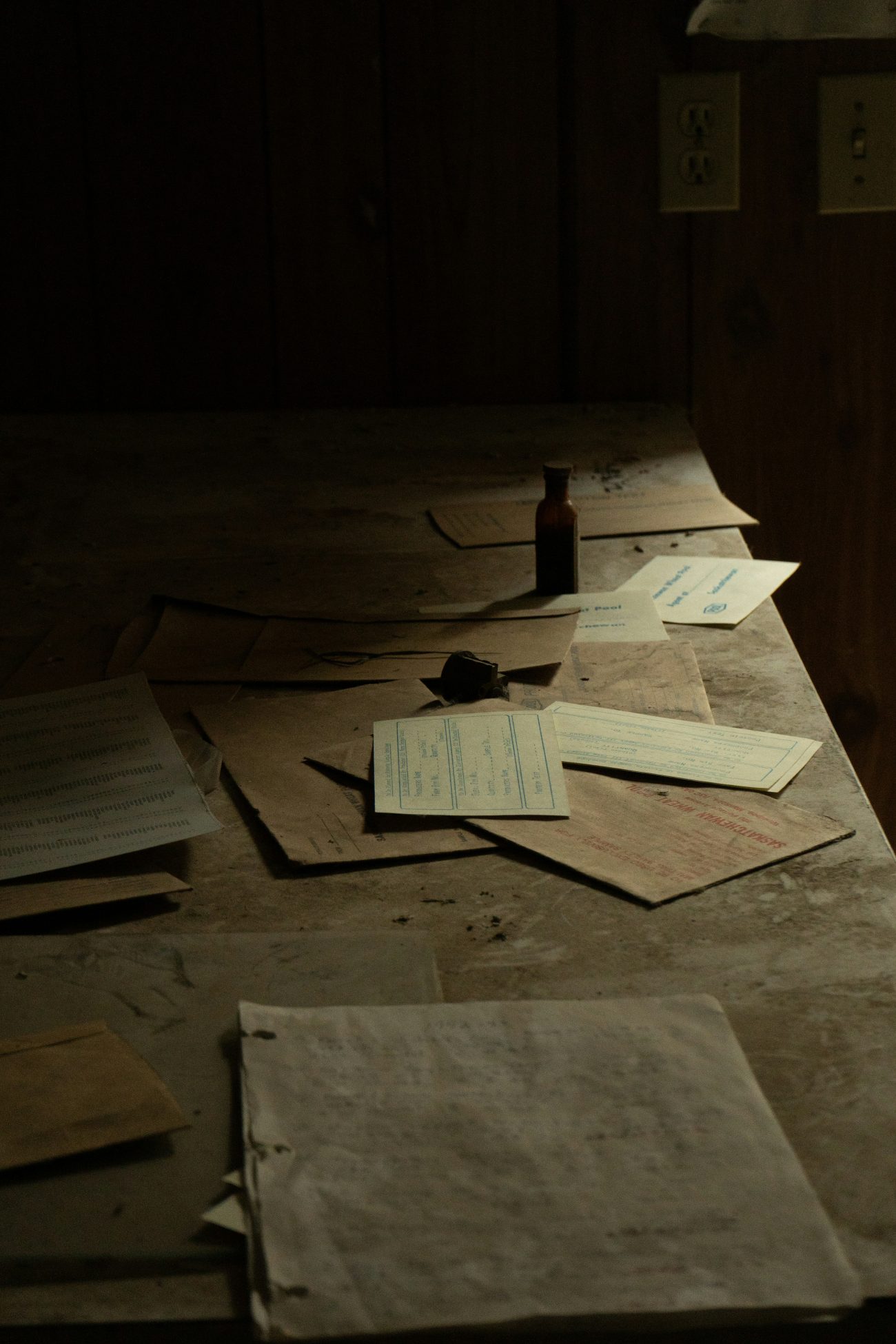
Several financial records were spread across the desk.

The money had not gone directly to the nephew’s trucking business as Joanne had initially been led to believe. Instead, portions of it had reportedly been transferred into accounts connected to Brenda.

The records included transfers of:

  • $42,000
  • $18,500
  • $31,000
  • $12,800

The final amount caught Joanne’s attention because it matched the price and date of a purchase she remembered clearly: Alden’s expensive riding mower.

Only months earlier, he had repeatedly told her that they could not afford to replace their failing water heater.

Now the records appeared to connect a payment of $12,800 with the mower purchase.

Rebecca cautioned that they were still confirming the full transaction trail. A matching amount and date were important clues, but the complete circumstances needed to be established.

Another document was even more upsetting. It contained a handwritten note attached to one of the transfers, indicating that the money was intended for family expenses and that Joanne should not be informed until everything had been resolved.

Rebecca also identified indications that Joanne’s personal information might have appeared in other financial applications.

Joanne felt sick.

She had believed that Alden’s family simply disliked her. Now she was facing the possibility that her identity and property had been used in financial dealings she had never approved.

She told Rebecca that she wanted two things: to protect her home and to have her name cleared.

Rebecca agreed that protecting Joanne’s interests had to come first.

Brenda Asked Joanne to Sign a Statement That Wasn’t True

When Joanne returned home, Alden was sitting on the porch.

He noticed the folder in her hand and asked whether Rebecca had told her about the money.

Alden eventually admitted that some of the loan proceeds had been used for personal expenses, including the riding mower.

He explained that he had been trying to help his family and believed he would repay the money before anyone discovered the arrangement.

Then he made another request.

Brenda wanted Joanne to sign a statement saying she had known about the loan.

According to Alden, the document would make things easier for everyone.

Joanne could hardly believe what he was asking.

She had never approved the loan, never knowingly agreed to guarantee it, and had not authorized the use of her property. Now his sister wanted her to sign a statement claiming the opposite.

Joanne refused.

She reminded Alden that Brenda was his sister, but she was the person whose property had been used.

For once, she did not feel guilty about refusing to help his family avoid the consequences of their decisions.

The Morning Brenda Arrived With Another Document

The following morning, Brenda appeared at Joanne’s front door shortly after seven. Her daughter, Linda, was with her.

Brenda carried a document and placed it on the kitchen table.

She said Joanne only needed to sign it.

The statement claimed that Joanne had knowingly approved the $186,400 loan, voluntarily permitted her property to be used as security, and authorized Alden to sign financial documents on her behalf.

Joanne read it carefully.

Then she pushed it away.

Brenda argued that signing would prevent the situation from becoming worse. She complained about the trouble her family was facing and insisted that everyone had been trying to help.

But one sentence revealed more than she may have intended.

“Nobody expected you to find out before the money was replaced.”

Joanne looked at her.

So Brenda had known about the loan.

When Linda looked down at the floor and refused to meet Joanne’s eyes, the atmosphere in the kitchen changed.

Alden entered shortly afterward and asked whether Joanne had signed the statement.

error: Content is protected !!