She answered no.
He urged her to sign it anyway and promised that the details could be sorted out later.
Joanne stood and told both visitors to leave.
Brenda was shocked that she would ask her husband’s family to leave the house. Joanne explained that she was asking people who wanted her to sign a false statement to leave her home.
Before Brenda departed, she warned Joanne that she would regret treating the family that way.
Joanne’s response was simple: she might regret many things, but she would not regret protecting her name.
After the visitors left, Alden told her she had changed.
She agreed.
And she no longer considered that a bad thing.
The Handwriting Examination Brings the First Important Finding
Over the following weeks, Rebecca continued working with the lender to obtain original records and arrange an independent handwriting examination.
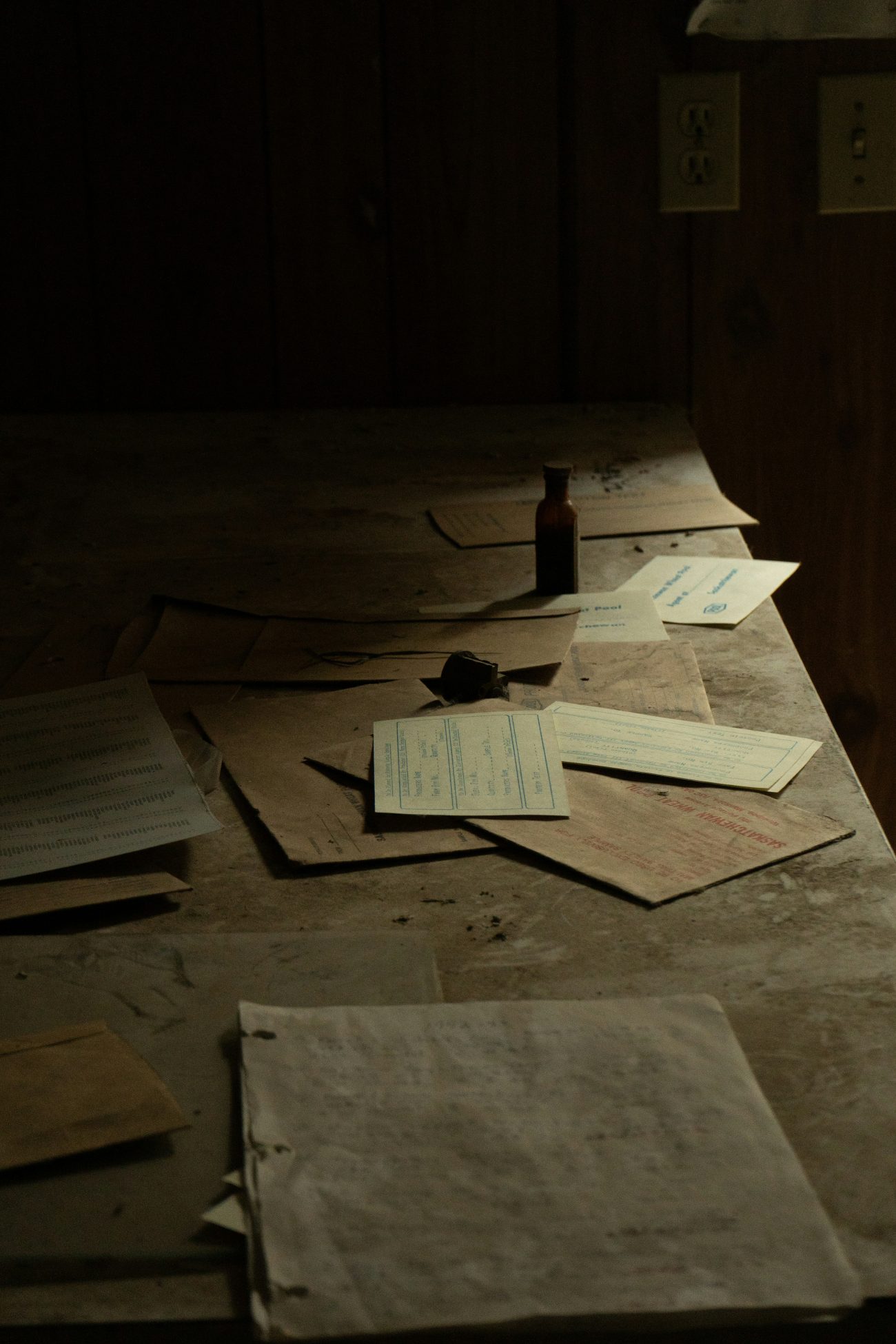
Joanne provided documents containing her genuine signature, including retirement paperwork, an old mortgage release, and official identification records.
The examiner compared those signatures with the one appearing on the disputed loan documents.
Eventually, Rebecca received the report.
She called Joanne immediately.
The examiner had found significant differences between Joanne’s genuine signatures and the signature on the loan paperwork.
Joanne closed her eyes.
“So it wasn’t mine,” she said.
Rebecca explained that the findings supported Joanne’s position that she had not signed the document. However, the legal process was not finished. They still needed to address the lender’s concerns and determine what steps would follow.
For Joanne, the report was an important development, but it did not erase the uncertainty surrounding the loan, the transfers, or the people who had known about the arrangement.
Her father’s farmhouse was still at the center of the dispute.
And after everything she had learned, she understood that protecting it would require more than refusing to sign another document.
It would require the truth to be established.
