But she no longer confused keeping the peace with giving up her rights.
Her pension represented thirty-one years of work.
The farmhouse and forty acres represented the inheritance her father had left her.
The pasture lease represented a decision she had made after considering what was best for her property.
None of those things required her to surrender her independence.
She had not set out to punish Alden. She had not leased the pasture to provoke an argument or changed her pension arrangements to make a point.
She had acted because she needed to protect what was hers.
Whether her marriage could survive that change remained uncertain.
Alden had left with his duffel bag, and the future between them was still unresolved. Joanne was not pretending that loneliness would be easy or that a lifetime together could be set aside without grief.
But she was learning that being alone and being powerless were not the same thing.
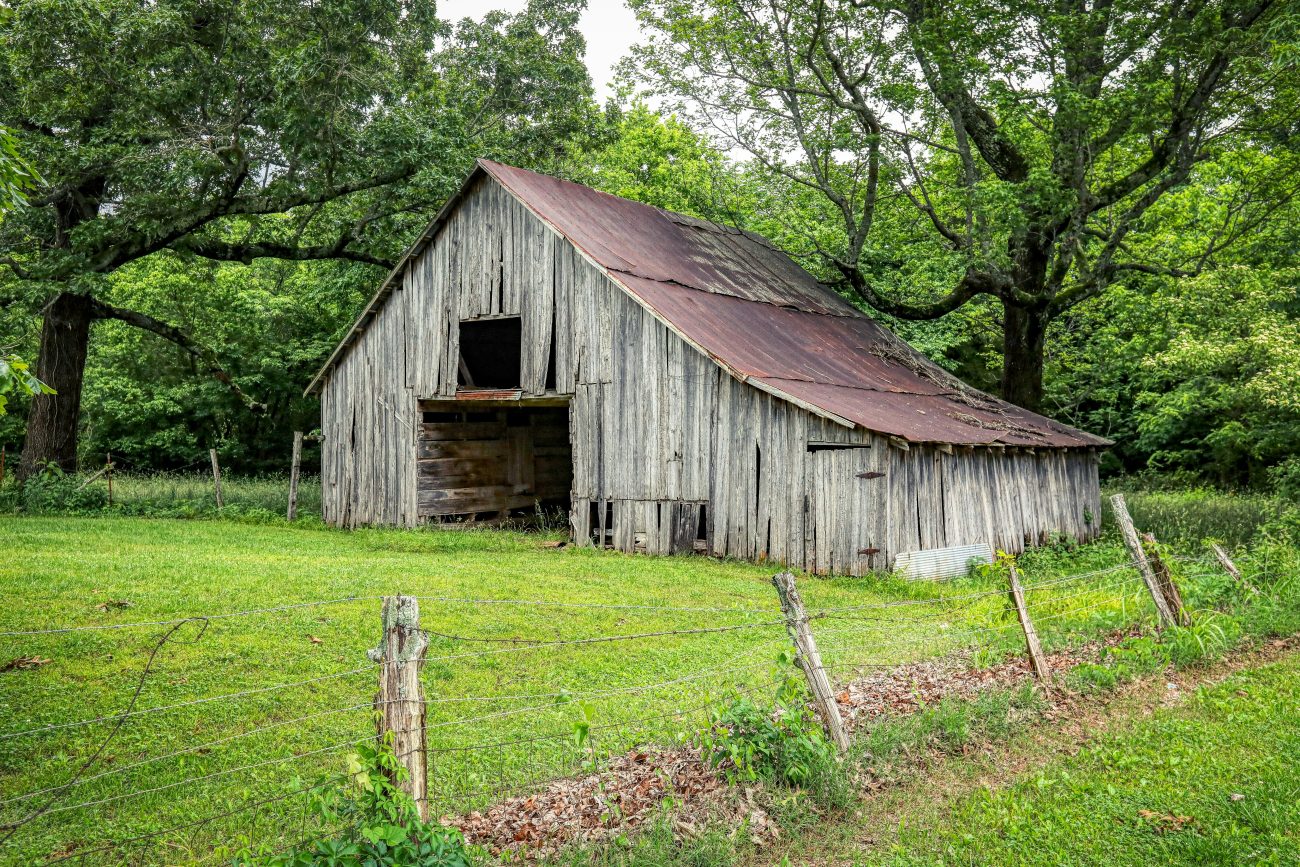
One evening, she stood by the fence and watched the Yoders’ goats grazing across the front pasture.
The sun was lowering behind the trees, and the farmhouse windows reflected the last light of the day.
Joanne thought about her father, the years she had spent delivering mail, and all the decisions she had made because she believed that keeping everyone else comfortable was part of being a good wife.
Then she looked back at the house.
For the first time in a long while, she felt that the decisions being made there belonged to her.
She did not know whether Alden would come back.
She did not know what their marriage would look like in another month.
But she knew she would not hand over her pension, her inheritance, or her right to decide what happened next.
When the goats moved farther into the pasture, Joanne smiled.
She had spent thirty-one years delivering other people’s mail.
Now, at last, she was making sure that her own future was delivered into her own hands.
