That distinction mattered.
A marriage did not automatically mean that one spouse could make every financial decision for the other. Nor did a husband’s confidence or insistence create ownership rights that did not exist.
Joanne wanted to know what the law and her documents actually said.
After confirming her position, she began considering what she could do with the land.
The farmhouse needed ongoing maintenance. The acreage required attention, and keeping the entire property without generating any additional income was not necessarily the most practical choice.
She did not want to sell her father’s land.
She wanted to use it responsibly while preserving her independence.
Then she thought about the Yoders.
The Neighbors Who Saw an Opportunity
Miriam and the Yoders lived nearby and understood the realities of rural property.
They were familiar with the land, the changing seasons, and the work involved in keeping animals. They had also known Joanne long enough to understand that she cared about her father’s property.
The Yoders needed additional pasture.
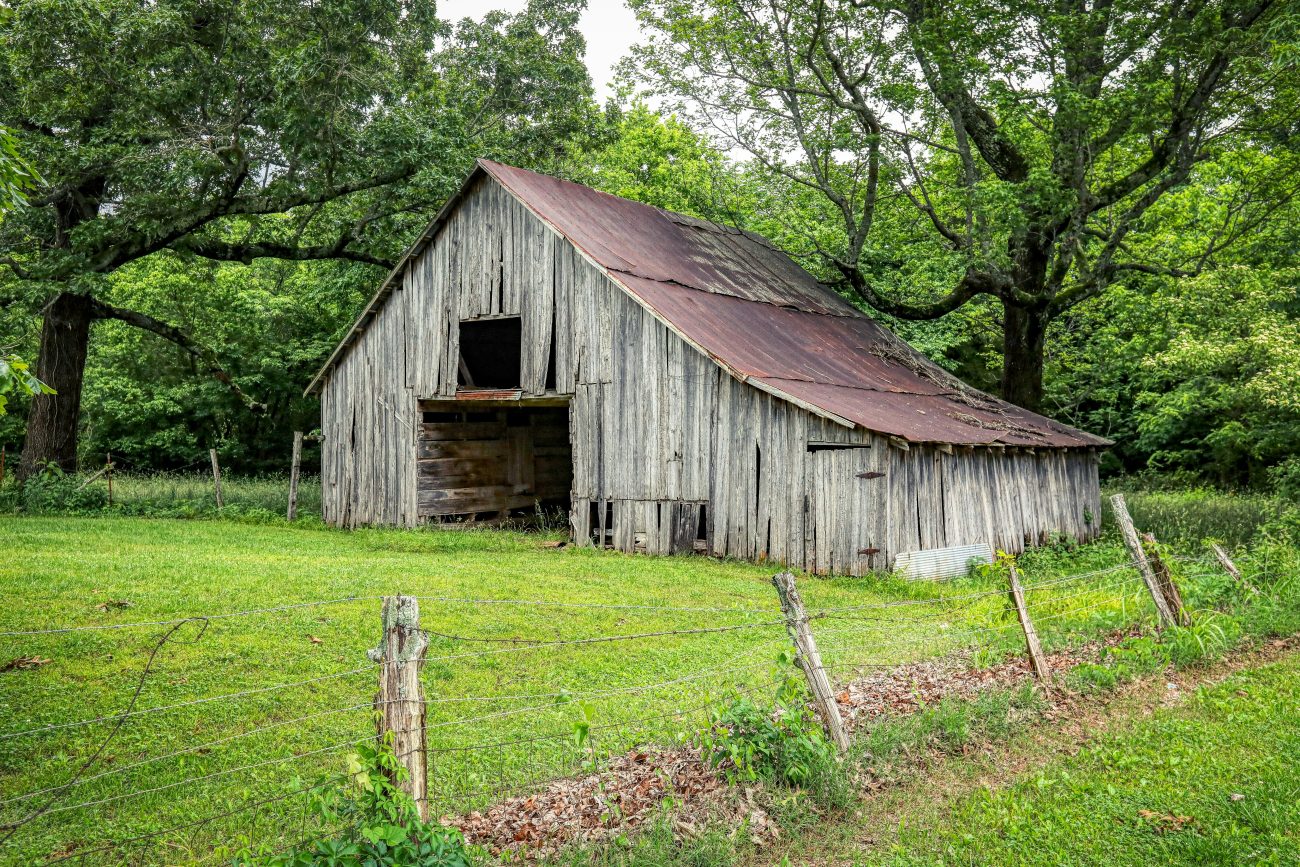
Joanne realized that leasing the front pasture could benefit both households. The neighbors would gain access to useful grazing land, and she would receive income without having to sell any part of her inheritance.
It was a practical arrangement.
She discussed the possibility with the Yoders and worked toward a lease that established the terms of their use of the pasture.
The agreement gave Joanne a way to generate income from her property while retaining ownership.
Miriam was supportive.
She understood that Joanne was making a business decision about land she owned, not asking someone else to take sides in a marital disagreement.
That was important to Joanne.
She didn’t want neighbors involved in every private problem between her and Alden. She simply wanted an arrangement that was clear, fair, and properly documented.
The lease was signed.
For the first time in years, Joanne felt that she was making a decision about her property because it made sense to her.
She did not have to wait for Alden to approve it.
Preparing for Her Husband’s Return
As Alden’s trucking trip approached its end, Joanne began organizing the paperwork.
She placed the pension correspondence together with the documents confirming the payment arrangements. She gathered the records concerning her inheritance and the signed pasture lease.
She wanted everything in one place.
She also wanted to avoid an argument based on vague accusations.
If Alden asked what she had done, she would be able to show him.
She knew he might be angry.
For years, he had become accustomed to being consulted about decisions that were not necessarily his to make. The changes Joanne had made would challenge that expectation.
Still, she was no longer willing to reverse them simply because he disapproved.
She also had to confront a difficult truth about herself.
Being independent at sixty-eight was not the same as feeling comfortable being alone.
She had shared a home with Alden for decades. Even when he was away driving, she knew he would eventually return. Their marriage had provided a familiar structure, even when that structure had become restrictive.
The possibility of losing it frightened her.
She wondered what the farmhouse would feel like if Alden left. She thought about evenings without another person in the house, the silence at the dinner table, and the practical responsibilities she would have to manage by herself.
But she also considered what it would mean to continue living under the same conditions.
She could remain married and still have control over her pension and property.
Or she could discover that Alden’s idea of marriage depended on her giving up that control.
