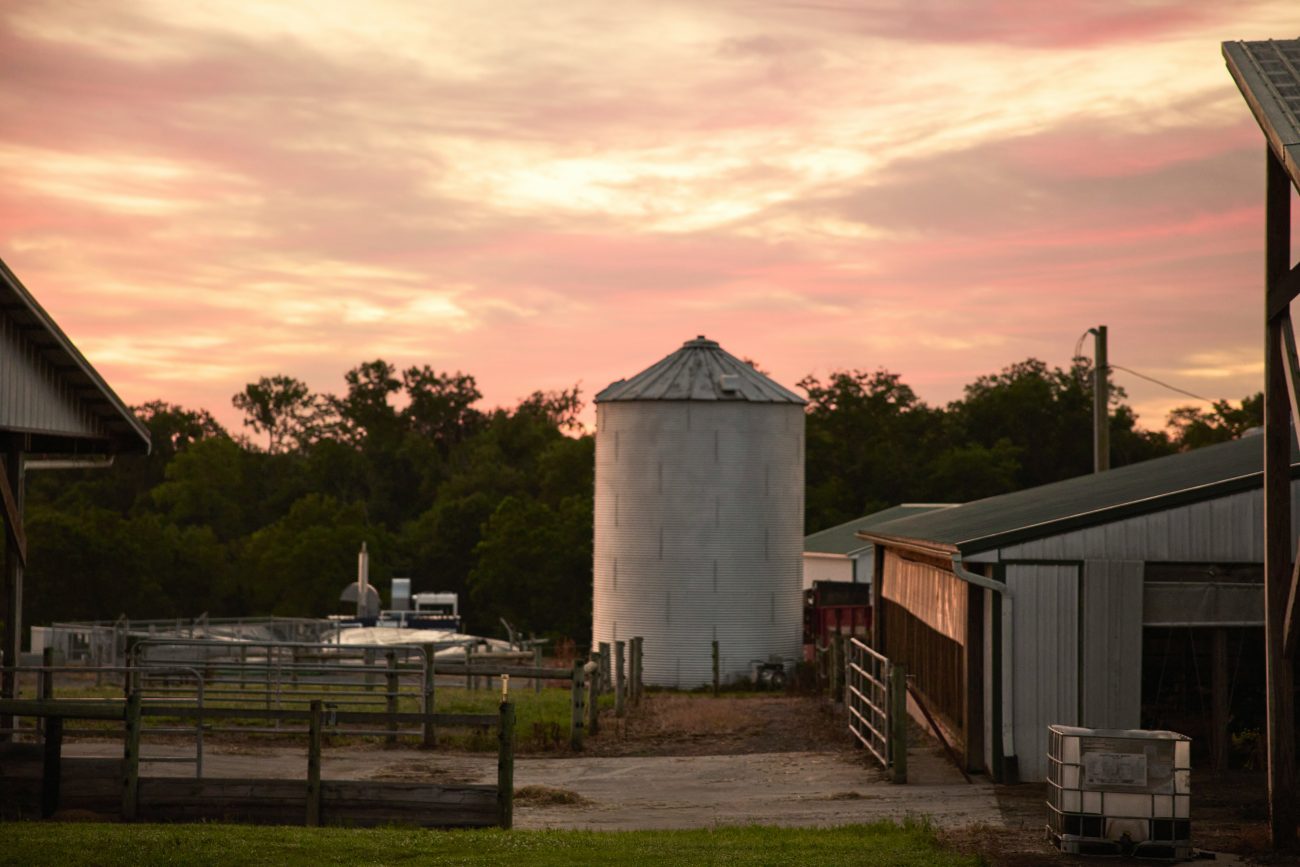
The proposed project included shops, restaurants, medical offices, and a small hotel. However, the eastern portion of the property had been redesigned to preserve the farmhouse, barn, creek, and surrounding trees.
There was also a walking path, a protected woodland area, and a community garden.
Tom explained that the company had worked with environmental specialists to create a plan that could potentially respect the existing conservation restrictions.
I studied the drawings carefully.
“What about the old oak trees?”
“They would remain part of the protected area.”
“And the creek?”
“It would be included in the conservation plan.”
“What about the barn?”
“We believe it can be restored and preserved.”
I looked at Robert.
He explained that any arrangement would require detailed legal protections, independent monitoring, and clear limits on what the company could do.
I agreed that the proposal deserved further consideration.
However, I established several conditions.
The farmhouse would remain.
The barn would be preserved.
The creek and groundwater protections would remain in place.
The apple trees would not be cleared simply to make room for additional parking.
And no agreement would be signed until independent environmental and legal professionals had reviewed every detail.
Tom accepted those conditions.
He also made something else clear.
“I want you to understand that you don’t owe us a deal, Mrs. Kessler. If you decide to keep the entire property exactly as it is, that’s your decision.”
That mattered to me.
For months, I had felt as though everyone wanted something from my land. Tom was the first person involved in the development who seemed willing to acknowledge that I had the right to say no.
Robert reviewed the proposed arrangement over the following weeks. The environmental specialists examined the water protections and drainage areas. Nothing would be finalized until the county had completed its own review.
Eventually, I agreed to a limited partnership that allowed the company to pursue development on a defined portion of the property, subject to all required approvals and enforceable protections.
I did not sell the farmhouse, the barn, the creek, or the protected eastern fields.
The arrangement was not the five-million-dollar sale Amanda had once urged me to accept. It was a carefully negotiated agreement that allowed me to retain ownership of the home and the land I had spent a lifetime protecting.
More importantly, it respected the work Walt had done.
What Happened to Daniel and Amanda
The investigation into Greenfield Holdings continued.
Daniel’s business partners withdrew their support after learning how uncertain the property rights were. The financing arrangement became difficult to maintain, and the company eventually stopped pursuing the project involving my farm.
The disputed documents were referred for further examination. I let Robert and the appropriate authorities handle those matters. I had no desire to turn my home into the center of a public spectacle.
Daniel and Amanda’s marriage also became strained.
I didn’t involve myself in their arguments. Whatever happened between them was something they would have to work out without using my property as leverage.
Amanda eventually moved into a small apartment closer to her workplace.
For several months, she and I spoke only occasionally. When she called, I answered if I felt ready. Sometimes we discussed ordinary things. Other times, she apologized again.
I never told her that everything was forgiven.
I also never told her that I had stopped loving her.
Those were two different things.
One Sunday afternoon, she came to the farm and asked whether she could walk through the orchard.
I handed her a basket.
“The apples are ready,” I said.
We walked between the trees, gathering fruit as we had when she was a child.
