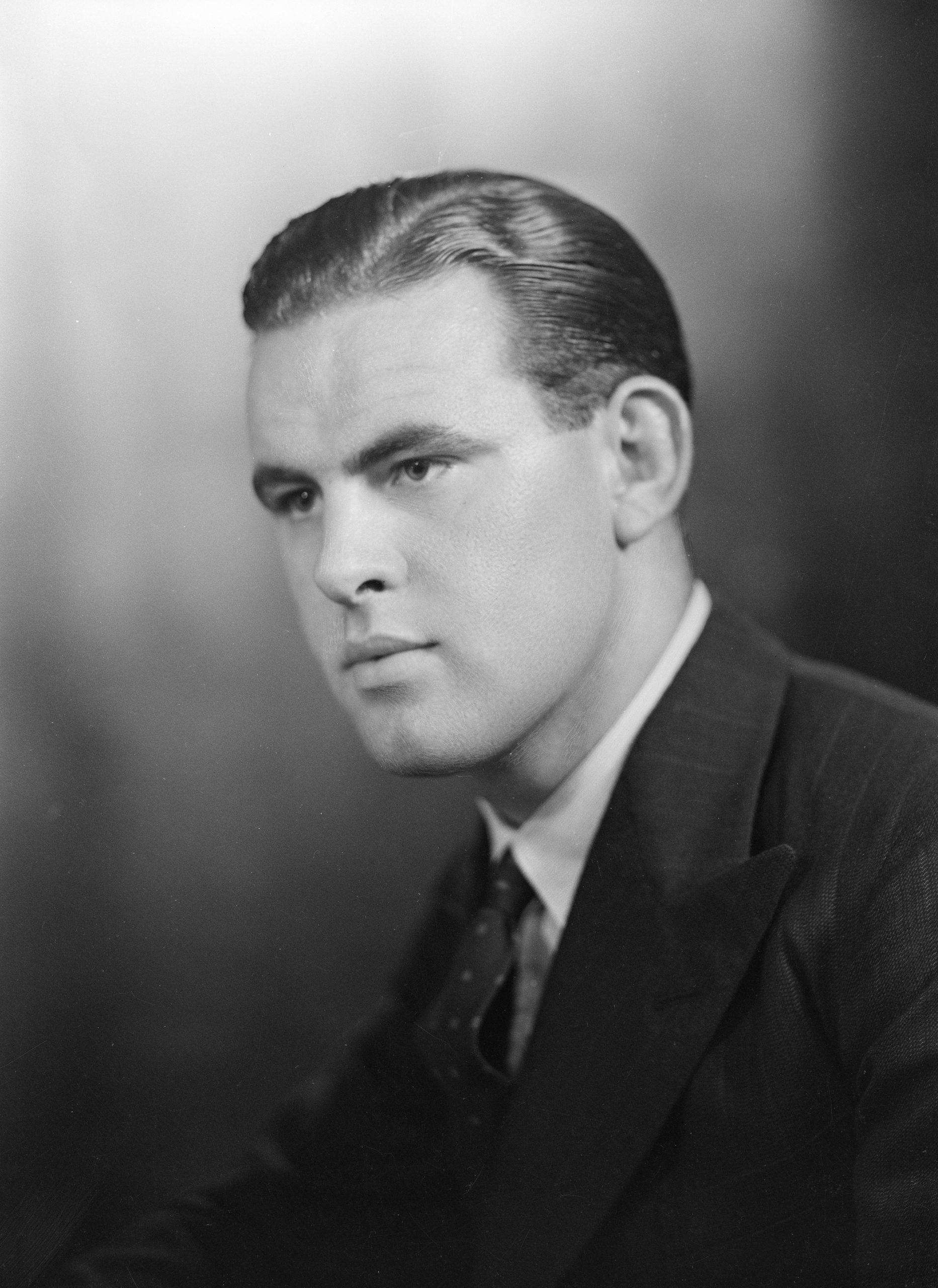
James Darren spent decades entertaining audiences as an actor, singer, and television director, but for many fans, he will always be remembered as Moondoggie, the charming surfer from the classic 1959 film Gidget.
With his youthful appearance, natural screen presence, and smooth singing voice, Darren became one of the recognizable faces of late-1950s and early-1960s entertainment. His popularity extended beyond the beach movies that first made him famous, leading to a long career that included television dramas, music recordings, and work behind the camera.
Darren died on September 2, 2024, at the age of 88, at Cedars-Sinai Medical Center in Los Angeles. His son, journalist Jim Moret, confirmed that he died in his sleep. According to Moret, Darren had been hospitalized for an aortic valve replacement, but doctors considered him too weak to undergo the operation.
CBS News+2
His death marked the end of a career that had taken him from the early days of Hollywood teen-idol fame to some of television’s most recognizable productions. Yet his story was never limited to one famous character. Darren continued exploring new opportunities, building a legacy across several areas of entertainment.
The Young Actor Who Became Moondoggie in ‘Gidget’
For audiences who remember the original Gidget, Darren’s name is closely connected with the carefree beach culture that became popular in American movies during the late 1950s and early 1960s.
Born James Ercolani on June 8, 1936, in Philadelphia, Pennsylvania, he developed an interest in performing at a young age. He began singing in local nightclubs as a teenager and eventually pursued acting in New York, where he studied with respected acting teacher Stella Adler.
His opportunity in Hollywood came after he was introduced to talent scout and producer Joyce Selznick. He signed with Columbia Pictures in the 1950s and began appearing in films before landing the role that would make him widely recognizable.
CBS News+2
In the 1959 film Gidget, Darren played Moondoggie, a young surfer who becomes part of the romantic story surrounding the title character, played by Sandra Dee.
The movie helped bring California surf culture to a much wider audience. Its combination of beach scenery, youthful romance, music, and lighthearted storytelling connected with moviegoers and helped establish Darren as a teen idol.
The success of the film led to two sequels: Gidget Goes Hawaiian in 1961 and Gidget Goes to Rome in 1963. Darren returned as Moondoggie in both, although the actress playing Gidget changed after the original movie.
For many fans, those performances remain among the defining images of his career. The films captured a particular moment in American popular culture, and Darren’s character became part of the appeal.
His Career Extended Far Beyond the Beach Movies
Although Gidget brought him considerable recognition, Darren did not remain limited to youthful romantic roles.
He appeared in a variety of films, including the 1961 war adventure The Guns of Navarone, which featured an internationally recognized cast that included Gregory Peck and Anthony Quinn.
As his career developed, television became an increasingly important part of his professional life.
In the 1960s, he starred as Dr. Tony Newman in the science-fiction series The Time Tunnel. The show followed two scientists who became trapped in time, traveling through different historical periods and facing dangerous situations along the way.
Although the series lasted only one season, it developed a following among science-fiction fans and gave Darren another memorable role.
He later appeared in several popular television productions, including The Love Boat, Fantasy Island, and Hawaii Five-O. In the 1980s, he became a regular cast member of T.J. Hooker, the police drama starring William Shatner.
These roles introduced him to viewers who may not have known him from the original Gidget films.
The Washington Post+2
James Darren Was Also a Successful Singer
Acting was only one part of Darren’s entertainment career. He also developed a successful career as a recording artist, releasing music that attracted audiences during the early 1960s.
