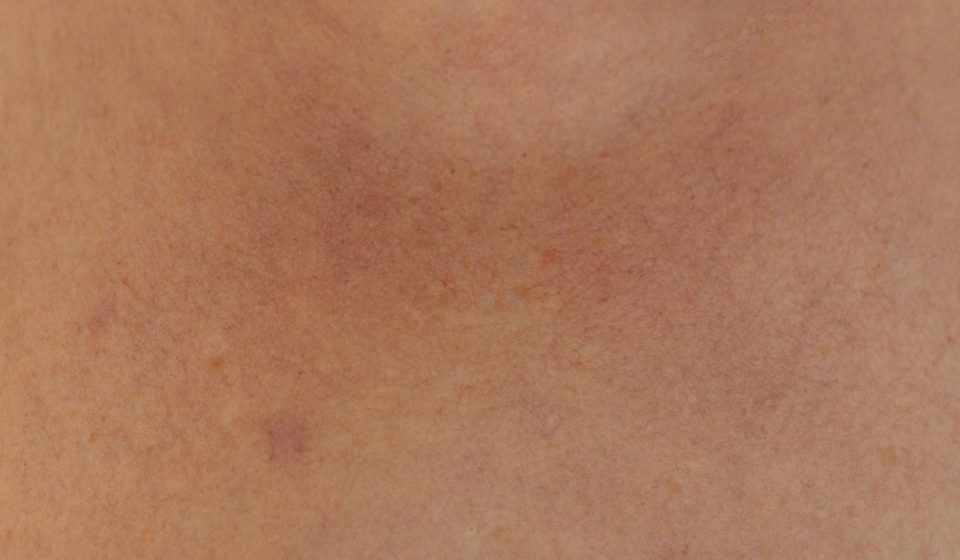

It Started With an Itch—Then His Lips Swelled and His Throat Began to Tighten
At first, it seemed like an ordinary skin irritation. A little itching, a few red patches, and an uncomfortable burning sensation that appeared without warning and disappeared just as mysteriously. It was easy to assume the problem came from something harmless, such as a food, a new soap, or a change in the weather.
But the symptoms kept returning.
The red patches spread across his skin, sometimes appearing in one place before fading and developing somewhere else. The itching became increasingly difficult to ignore, and what had initially seemed like a minor allergic reaction began interfering with his everyday life.
Then the symptoms took a frightening turn.
His lips began to swell. His eyelids became puffy, and he experienced a tightening sensation around his throat. Suddenly, the problem was no longer just about uncomfortable skin. It raised a much more serious question: Could this reaction affect his ability to breathe?
Doctors eventually identified the condition as urticaria, commonly known as hives. Although hives are often temporary and manageable, the swelling that sometimes accompanies them can require urgent medical attention.
Understanding the difference between an ordinary outbreak and a potentially dangerous reaction can make a critical difference.
What Is Urticaria, and Why Does It Cause So Much Itching?
Urticaria is a skin condition characterized by raised, itchy welts that can appear suddenly and change in size, shape, and location.
The welts may be pale in the center and red around the edges, although their appearance varies from person to person. Some are small and isolated, while others merge into larger patches covering substantial areas of the body.
Individual hives typically fade within 24 hours, although new ones may continue to appear. As a result, the overall outbreak can seem to move across the skin.
The itching can be intense. Some people also describe a burning or stinging sensation, particularly when the affected areas become inflamed.
To understand why this happens, it helps to look at the body’s immune system.
Specialized immune cells called mast cells release chemical substances, including histamine, during certain reactions. Histamine affects small blood vessels in the skin, making them more permeable. Fluid then moves into the surrounding tissue, creating the raised welts associated with hives.
This response can occur for different reasons. Sometimes, it is associated with an allergic reaction. In other cases, it develops without an identifiable allergy.
That distinction matters because not every episode of hives is caused by something a person has eaten, touched, or inhaled.
Why Hives Can Appear Without an Obvious Trigger
When an itchy rash appears unexpectedly, many people begin reviewing everything they have eaten, every product they have used, and every place they have visited.
Although identifying a trigger can be helpful, the cause is not always easy to determine.
Possible triggers include certain foods, medications, infections, insect stings, and physical factors such as heat, cold, pressure, or exercise. Emotional stress may worsen symptoms in some individuals, although it should not automatically be assumed to be the underlying cause.
Some medications, including certain antibiotics and anti-inflammatory pain relievers, can trigger or aggravate hives in susceptible people.
Infections may also be associated with outbreaks, particularly in children. In other cases, the symptoms develop without a clearly identifiable external trigger.
This uncertainty can be frustrating.
A person may experience repeated episodes despite changing laundry detergent, avoiding particular foods, or replacing personal care products. When no obvious explanation emerges, it does not necessarily mean the symptoms are imaginary or that the person has overlooked something simple.
It means the condition may require a more systematic medical assessment.
Doctors may ask when the symptoms began, how long individual welts last, whether swelling occurs, which medications the person takes, and whether particular activities or environmental conditions seem to make the problem worse.
Photographs can also be useful because hives may disappear before a medical appointment.
One important point: People should not automatically eliminate multiple foods from their diet without a reasonable medical basis. Unnecessary restrictions can make eating more difficult without addressing the actual cause of the symptoms.
When the Swelling Goes Beneath the Skin
For some people, urticaria occurs alongside a deeper type of swelling called angioedema.
While hives affect the more superficial layers of the skin, angioedema involves swelling in deeper tissues. It commonly affects the lips, eyelids, hands, feet, and other areas of the body.
The affected tissue may feel tight, painful, or uncomfortable rather than intensely itchy.
Facial swelling can be particularly alarming because it may develop quickly and noticeably change a person’s appearance. Swollen eyelids can become difficult to open fully, while enlarged lips can interfere with speaking or eating.
However, the location of the swelling is more important than its appearance alone.
Angioedema affecting the tongue or throat can obstruct the airway. When this happens, the situation can become life-threatening.
Warning signs include difficulty breathing, throat tightness, trouble swallowing, a hoarse or suddenly altered voice, swelling of the tongue, dizziness, or collapse.
These symptoms should never be dismissed as an ordinary skin reaction.
If someone develops throat or tongue swelling, breathing difficulties, or other signs of a severe allergic reaction, call emergency services immediately. If an epinephrine auto-injector has been prescribed for that person, use it according to their emergency action plan. Antihistamines are not a substitute for epinephrine when anaphylaxis is suspected.
Even when swelling appears limited to the face, prompt medical assessment is important if the cause is uncertain or the symptoms are progressing.
Acute and Chronic Hives Are Not the Same
Another important part of understanding urticaria is knowing how long the condition has been occurring.
Doctors generally classify hives into two broad categories: acute and chronic.
Acute urticaria
Acute urticaria lasts six weeks or less.
An episode may develop suddenly and disappear within hours or days, although symptoms can recur during that period. In some cases, the outbreak is associated with an identifiable trigger, such as an infection, a medication, or a food allergy.
Once the underlying trigger is removed or the associated illness resolves, the symptoms may improve.
However, the cause is not always established, even in acute cases.
Chronic urticaria
Chronic urticaria occurs when hives recur over a period of more than six weeks.
The condition may continue for months or, in some cases, years. Symptoms can fluctuate considerably, with relatively calm periods followed by more troublesome outbreaks.
Chronic urticaria can be especially frustrating because the itching and unpredictable appearance of welts may interfere with sleep, work, social activities, and overall quality of life.
In many cases, chronic spontaneous urticaria develops without a specific external trigger. Some cases involve autoimmune mechanisms, in which the immune system contributes to the activation of mast cells.
This is different from saying that every person with chronic hives has an autoimmune disease. The underlying mechanisms vary, and a clinician must evaluate the individual situation.
A person experiencing recurrent hives should not have to rely indefinitely on guesswork. Medical evaluation can help establish the pattern, identify relevant triggers when possible, and determine whether additional treatment is needed.
How Doctors Treat Urticaria
Treatment generally aims to reduce itching, control the appearance of new welts, and prevent repeated symptoms from disrupting daily life.
The appropriate approach depends on the severity of the outbreak, the presence of angioedema, the person’s medical history, and whether the condition is acute or chronic.
Antihistamines are often the first treatment
Second-generation H1 antihistamines are commonly recommended as the first-line medication for urticaria.
These medicines block the effects of histamine at specific receptors, helping reduce itching and the development of hives.
Unlike some older antihistamines, many second-generation options are less likely to cause drowsiness, although individual reactions differ and some people may still feel sleepy.
For persistent symptoms, clinicians may adjust the treatment plan. In certain cases of chronic urticaria, guidelines support increasing the dose of a suitable second-generation antihistamine under medical supervision.
Patients should not increase their dose independently or combine medications without checking with a healthcare professional.
Antihistamines can be helpful for hives, but they do not reliably prevent or treat the dangerous airway and circulation problems associated with anaphylaxis.
What about corticosteroids?
Corticosteroids reduce inflammation and may sometimes be prescribed for selected severe or persistent episodes.
However, they are not considered a routine long-term solution for chronic urticaria. Repeated or prolonged use can cause significant adverse effects, and treatment decisions should be made by a clinician.
Anyone experiencing worsening swelling or symptoms involving the airway should seek urgent care rather than relying on corticosteroids at home.
When symptoms persist despite treatment
Some people continue to experience chronic hives even when taking antihistamines correctly.
In these cases, a specialist may consider additional treatments, including biologic medications such as omalizumab. Other options may be appropriate for selected patients, depending on the diagnosis, local treatment guidelines, and previous response to therapy.
The goal is to find an effective treatment plan while minimizing unnecessary medication exposure and side effects.
Can creams and lotions help?
Cooling lotions or other soothing skin products may provide temporary relief for some people, but topical treatments generally do not address the underlying mechanism responsible for widespread hives.
A cream may ease discomfort without preventing new welts from developing.
For this reason, treatment usually focuses on controlling the histamine-related response rather than relying exclusively on products applied to the skin.
Everyday Steps That May Help Reduce Discomfort
Although medication may be necessary, practical measures can sometimes make outbreaks easier to manage.
Use cool compresses. Applying a cool, damp cloth to itchy areas may provide temporary relief. Avoid applying ice directly to the skin.
Choose loose clothing. Tight garments and friction can worsen symptoms in people whose hives are triggered by pressure or rubbing.
Avoid excessive heat when it aggravates symptoms. Hot showers, overheating, and strenuous exercise may trigger or intensify hives in some individuals. Keeping the skin comfortably cool may help.
Track symptoms and possible triggers. Recording when hives appear, how long they last, medications taken, and any associated swelling can help a healthcare professional identify useful patterns.
Review medications with a clinician. If symptoms begin after a new medication or worsen after taking a particular drug, seek medical advice. Do not stop essential prescribed medication without appropriate guidance unless emergency instructions direct otherwise.
Protect sleep and daily routines. Persistent itching can be exhausting. Following a consistent sleep schedule and addressing symptoms with an appropriate treatment plan may improve quality of life.
These measures are supportive rather than curative. They should not delay medical attention when symptoms suggest a serious allergic reaction.
Why Repeated Hives Deserve Medical Attention
It can be tempting to dismiss recurring welts as a minor inconvenience, particularly when they disappear without treatment.
However, frequent outbreaks deserve attention when they persist, interfere with daily activities, occur alongside swelling, or repeatedly return without an obvious explanation.
A clinician can assess whether the symptoms are consistent with urticaria or whether another condition may be responsible.
Depending on the history and examination, testing may be appropriate. Extensive allergy testing is not automatically necessary for everyone with hives, and indiscriminate testing can produce results that are difficult to interpret.
A targeted evaluation is generally more useful than ordering every available test.
People who experience repeated swelling without typical itchy hives may require a different assessment because some forms of angioedema do not respond to antihistamines in the same way as histamine-mediated reactions.
That is another reason not to assume that all swelling has the same cause.
The important lesson is not to panic whenever a red patch appears. It is to recognize when a recurring symptom deserves a closer look and when a sudden change requires immediate action.
Recognizing the Warning Signs Can Make a Difference
What begins as an itchy rash may remain a temporary and manageable condition. For many people, hives improve with appropriate treatment, and the cause may never become clear.
But swelling involving the tongue or throat, difficulty breathing, trouble swallowing, faintness, or rapidly progressing symptoms must be taken seriously.
The appearance of a rash alone cannot reliably tell someone how dangerous a reaction is. Some severe allergic reactions involve relatively little skin involvement, while other outbreaks produce widespread hives without affecting breathing.
The full pattern of symptoms matters.
For anyone dealing with recurring urticaria, understanding the condition can replace some of the uncertainty with a practical plan: seek an appropriate diagnosis, use medication as directed, monitor changes, and know when to get emergency help.
The skin may be where the symptoms first become visible, but the most important warning signs are not always on the surface.
Have you or someone you know experienced recurring hives or unexplained swelling? Share your experience in the comments, while remembering that individual experiences cannot replace a medical assessment.
Suggested Images and Alt Text
- Image search: Close-up of raised red hives on human skin
Alt text: “Raised, red, itchy welts on the skin associated with urticaria.” - Image search: Medical illustration of angioedema affecting lips and eyelids
Alt text: “Illustration showing swelling of the lips and eyelids associated with angioedema.” - Image search: Doctor discussing skin allergy symptoms with an adult patient
Alt text: “A doctor discusses recurring hives and possible treatment options with a patient.” - Image search: Antihistamine medication beside a medical consultation notebook
Alt text: “Medication and symptom notes prepared for a medical appointment about recurring hives.”
Editorial Note
This article provides general health information and is not a substitute for professional medical advice, diagnosis, or treatment. Anyone experiencing tongue or throat swelling, breathing difficulty, trouble swallowing, faintness, or signs of a severe allergic reaction should seek emergency medical care immediately.