And now I had to face the possibility that, even after learning the truth, I might not be able to restore the relationship I once had with him.
An Apology Cannot Demand Forgiveness
If I ever have the opportunity to speak with my former wife again, I know what I need to say.
I need to apologize without making excuses.
I cannot blame the testing facility for every part of what happened. The laboratory was responsible for the incorrect report, according to the account I was given, but it did not force me to leave without asking questions.
It did not make me cut off communication.
It did not make me disappear from my son’s life for three years.
Those were my decisions.
I also cannot expect my former wife to forgive me simply because I now understand the truth. She may have reasons for keeping her distance. She may need time, or she may not want to reopen a painful chapter of her life.
And my son deserves even more consideration.
If I am ever allowed to reconnect with him, it cannot be about easing my guilt or expecting him to welcome me because I have finally realized my mistake.
It would have to begin with his needs, his feelings, and the life he has built without me.
Trust would take time. A relationship would have to be rebuilt carefully, if that is something he and his mother are willing to consider.
I cannot demand a place in his life simply because I regret losing it.
The Lesson I Learned Too Late
I still look at the photographs.
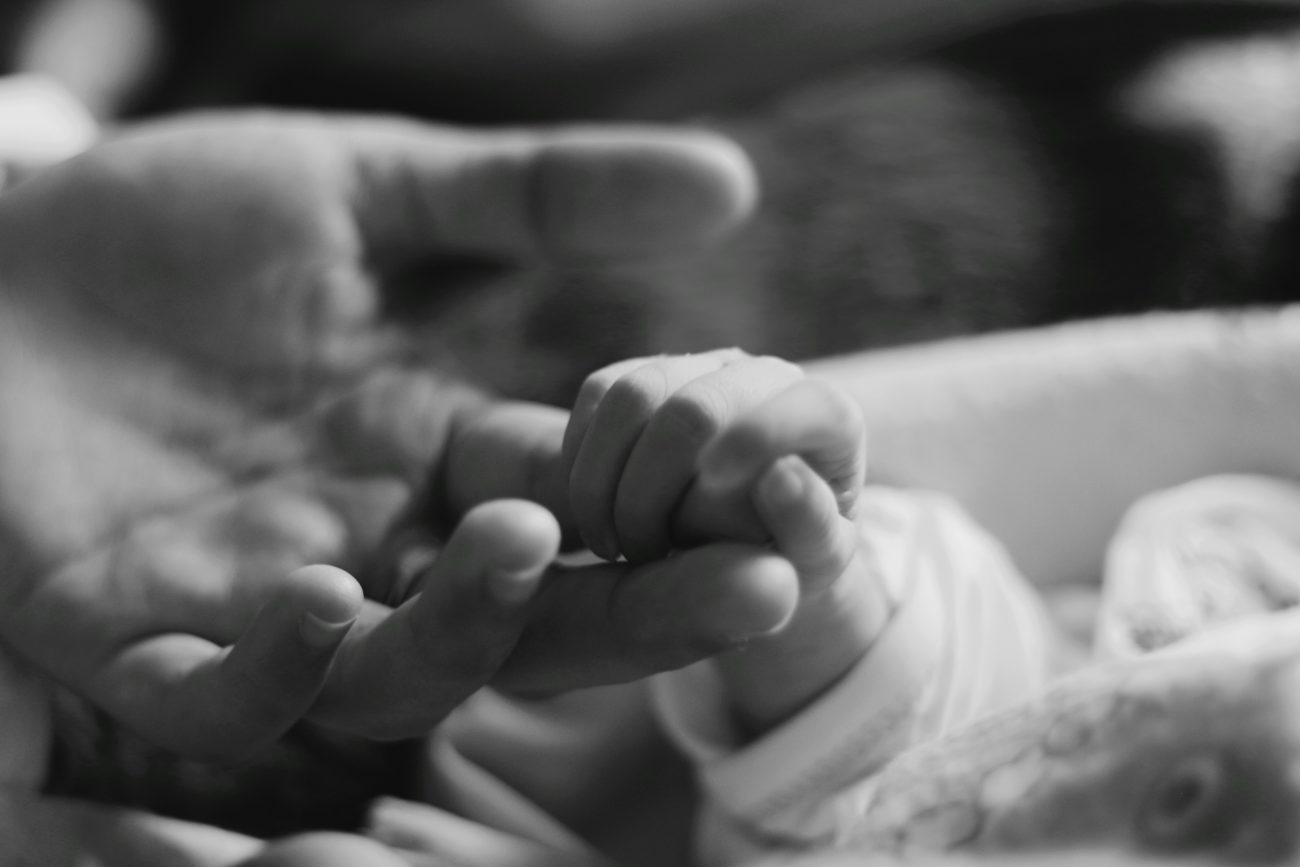
I see his tiny hands, his first smile, and the happiness I once felt when I held him. Those memories are precious, but they are also painful because they remind me of everything that followed.
Sometimes I think about the question I asked myself before demanding the test.
Was he mine?
I wanted a clear answer, and I believed that once I had it, I would know exactly what to do.
But I confused certainty with truth and allowed one report to determine the future of three people.
The later discovery changed what I believed about my marriage, but it could not return the years I had lost.
I learned that seeking the truth requires more than demanding an answer. It also requires patience, a willingness to question information, and the humility to admit when we might be wrong.
Most importantly, I learned that decisions made in anger can have consequences far beyond the person who feels betrayed.
My wife had to rebuild her life. My son grew up without the father who once held him. And I spent years carrying resentment that was built on a mistake.
The laboratory’s data had been flawed.
But the choices I made afterward were entirely my own.
Sometimes the truth arrives too late to prevent the damage. When that happens, regret may be unavoidable, but responsibility still matters.
I cannot change the three years I lost. I can only hope that, if the opportunity ever comes, I will have the courage to approach my son with honesty, patience, and the understanding that he owes me nothing.
