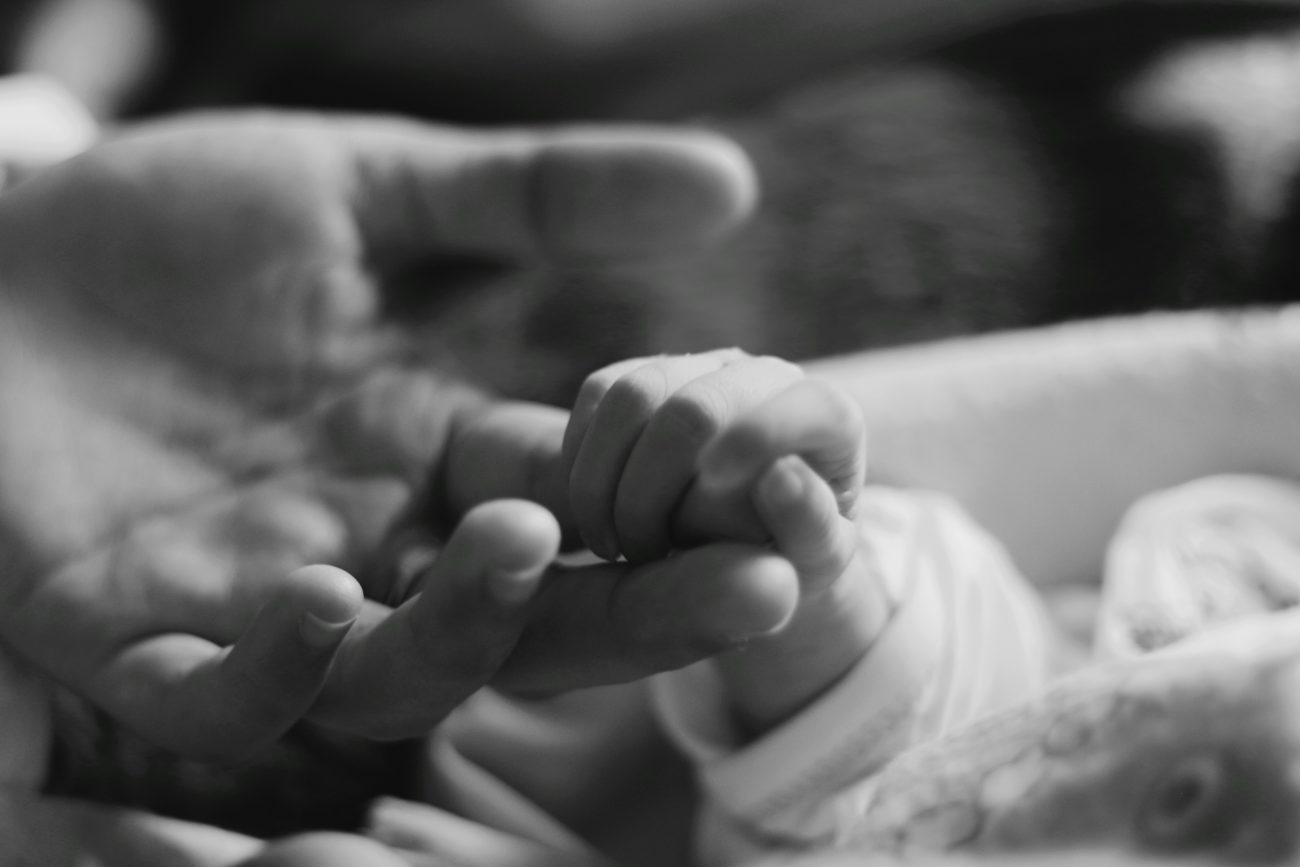
I wanted to explain that I had learned what happened. I wanted to apologize. I wanted to tell her that I now understood the test had been wrong.
But learning the truth did not mean I could simply return to the life I had left.
My former wife had relocated, and the little boy I once held in my arms barely remembered me.
I tried different ways to reach her, hoping she might agree to speak. My attempts went unanswered.
I could imagine how she might have felt.
She had been left alone with a young child after her husband treated a laboratory report as proof that their marriage had been built on a lie. She had apparently tried to challenge the result, but I had not been there to hear her or consider the possibility that something had gone wrong.
By the time I learned about the sample mix-up, she had already spent years rebuilding her life without me.
I wanted to believe that an explanation would change everything.
But I was beginning to understand that an explanation and an apology were not the same thing as repairing the damage.
The laboratory error explained why the result had been wrong. It did not erase the decisions I had made after receiving it.
I Had Treated a Question Like a Verdict
The hardest part of this realization was looking honestly at my own behavior.
I had demanded a test because I wanted certainty. There was nothing inherently wrong with wanting reliable information about such an important matter.
But I had allowed my desire for an answer to become something else.
I had decided what the result would mean before I even received it. When the report appeared to confirm my fears, I treated it as a verdict rather than information that might need to be examined.
I didn’t ask questions.
I didn’t consider the possibility of an administrative or laboratory error.
I didn’t seek independent confirmation before making a decision that would affect my wife and child for years.
I had turned my family into a courtroom, and I had appointed myself judge.
There was no room for uncertainty, explanation, or compassion.
At the time, walking away felt simple because I believed the evidence had made the decision for me.
Now I understood that the evidence had been flawed, but the choice to leave had been mine.
That distinction was difficult to accept.
A Child Cannot Get Those Three Years Back
I kept thinking about the time that had passed.
Three years may not seem like a lifetime to an adult, but in a young child’s life, they represent an enormous part of growing up.
A child changes quickly. New words, new interests, new fears, and new discoveries appear almost every day.
There are first experiences that parents often remember for the rest of their lives. There are ordinary mornings, bedtime routines, birthdays, and small moments that seem unimportant until they are gone.
I had missed all of them.
I couldn’t ask my son to pause his childhood while I worked through my anger. He had continued growing, learning, and forming attachments while I was somewhere else convincing myself that leaving had been the only reasonable option.
That was perhaps the most painful realization.
My former wife had been hurt, too, but my son had never been responsible for any of it. He had not asked for a paternity test. He had not created the laboratory error. He had not caused the arguments or made the decisions that separated our family.
He was simply a child who had lost his father.
