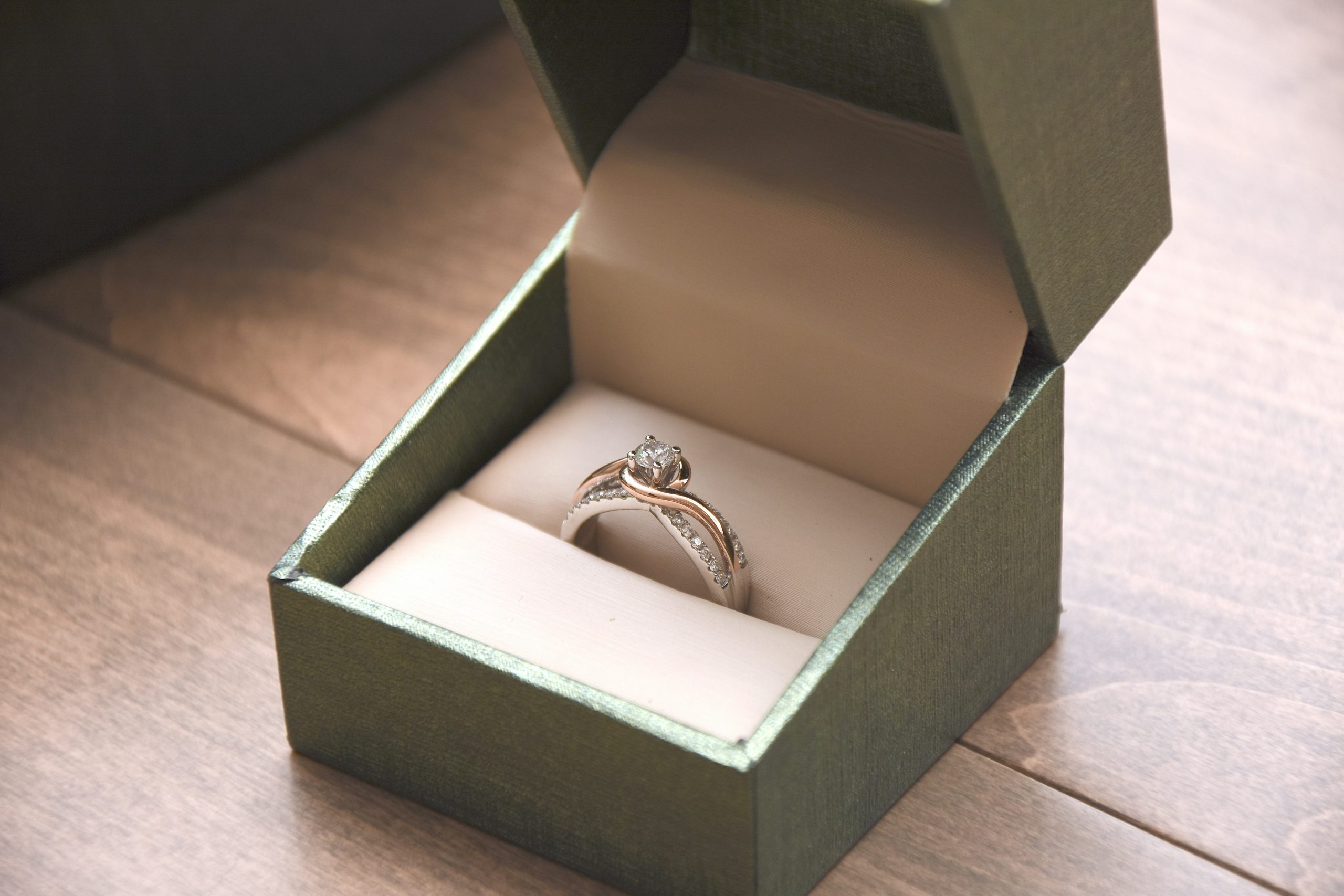
The ring was the first thing people noticed when I told them I had turned down Connor Walsh’s marriage proposal.
Five carats. Emerald cut. Set in platinum. It came in a box that probably cost more than my first car.
Connor had opened it across the table at an expensive restaurant I had never heard of before he took me there. The menu had no prices, and the lighting seemed carefully designed to make everyone look like the best possible version of themselves.
“I think you know where this is going,” he said.
I did.
I had been dating Connor for seven months. For at least three of those months, everyone around me had seemed to regard our engagement as inevitable. My parents expected it. My sister expected it. Even people who barely knew us seemed convinced that I had found an exceptional opportunity.
Connor was 51, the CEO of a regional construction and development company, and a man with considerable money and influence. My father had worked for his company as a project supervisor for 16 years.
By every conventional measure, Connor was an impressive match.
My mother had a word for him: opportunity.
But sitting across from him that evening, looking at the enormous diamond, I realized something I had been trying to ignore. I didn’t feel loved in the way I wanted to be loved. I felt admired, perhaps, but more like a beautiful addition to someone’s life than a person whose thoughts, hopes, and individuality genuinely mattered.
“Connor,” I said.
He smiled.
“I can’t.”
For a moment, his expression stayed the same, as though his smile simply hadn’t caught up with my answer. Then it disappeared.
I apologized several times. I wasn’t apologizing for my decision. I was sorry for the disappointment I knew I was causing.
Connor handled the rejection politely. He said he was surprised and hoped I would reconsider. Then he closed the ring box and arranged for the check.
I drove home feeling something I hadn’t expected to feel after turning down such an impressive proposal.
Relief.
And the first person I wanted to tell was Daniel.
The Best Friend Who Had Always Been There
Daniel and I had been best friends for 13 years.
We met during the second week of ninth grade, when we were assigned to the same biology lab group. We spent most of the class talking about everything except the dissection we were supposed to perform.
Somehow, that afternoon became the beginning of a friendship that never really ended.
Daniel knew nearly everything about my life. He knew when I was worried, when I was pretending to be fine, and when I needed someone to distract me from whatever was going wrong.
He also knew about Connor and the dinner.
“How did it go?” he asked when I called from my car.
“I said no.”
There was a brief silence.
“Are you okay?”
“I’m fine,” I told him. “Actually, I’m relieved. How are you?”
He began telling me about his day. He had been working on a transmission that turned out to be more complicated than expected. He also told me about a sandwich he’d eaten for lunch, which he described as the best sandwich he’d encountered in recent memory.
By the time I reached my apartment complex, I was laughing.
That was what happened when I talked to Daniel. Even difficult days seemed less complicated after a conversation with him.
At the time, I thought I was simply grateful to have such a dependable friend.
It took me several more months to understand that my feelings had changed.
When Friendship Became Something More
By March, I had started noticing things I could no longer explain away.
