I had learned it from him without knowing it.
One of the former bandmates asked whether I wanted to play along.
I hesitated.
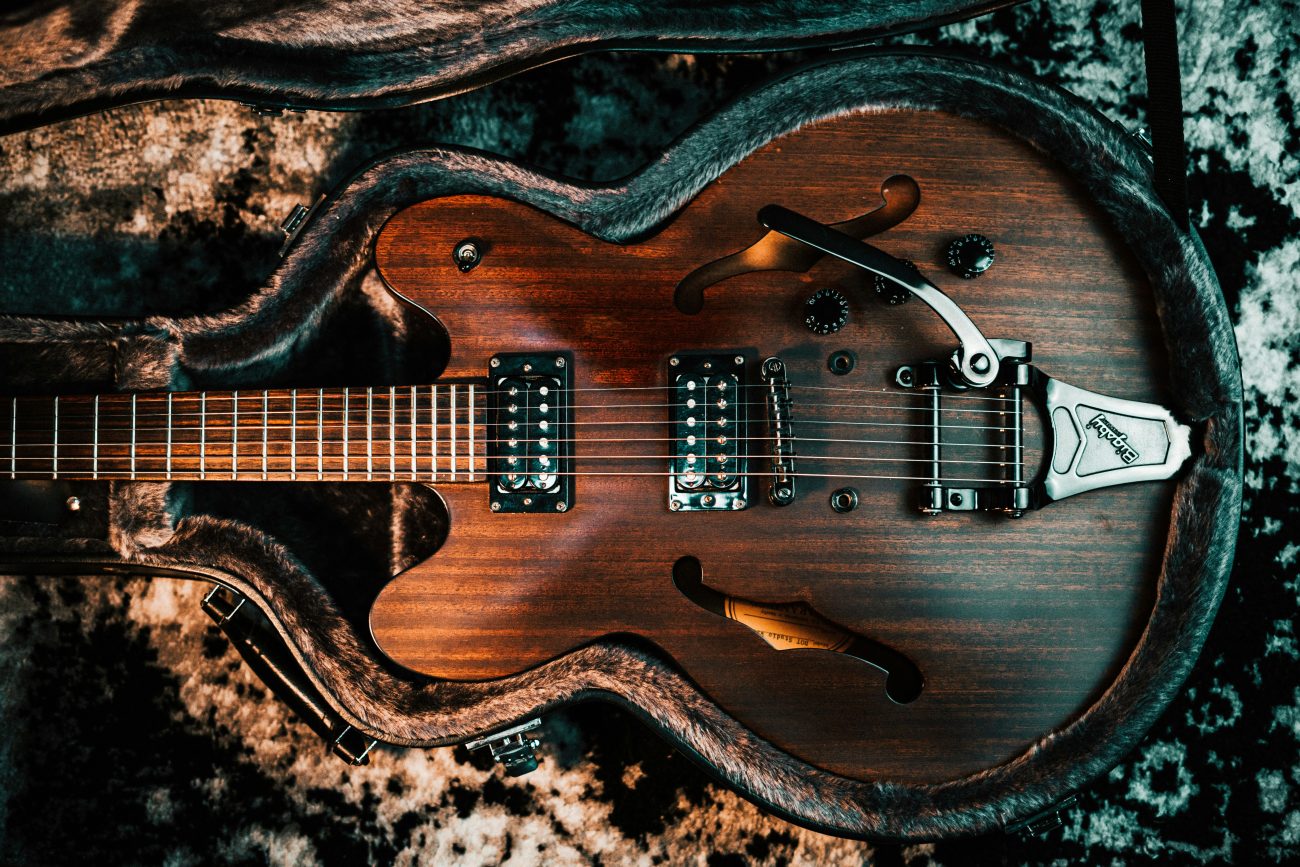
Then I picked up my father’s repaired guitar.
We started slowly. Nobody tried to recreate the past perfectly. We simply played together, finding the old rhythm and allowing the music to come back in its own way.
When the song ended, nobody spoke immediately.
Daniel looked at me.
“Your father would’ve liked that,” he said.
I hoped he was right.
The Low Lanterns Find a New Voice
The first few rehearsals were emotional and sometimes awkward.
We were not trying to pretend that nothing had changed. My father was gone, and none of us could return to the years when the original band played together.
But the music gave us a way to remember him that didn’t depend on staying sad.
We began working through the old songs and talking about which ones deserved another life. I brought some of my own ideas, and the others encouraged me to contribute rather than simply imitate my father.
Eventually, we decided to perform together.
We kept the name The Low Lanterns.
It felt right.
The name belonged to my father’s past, but the music was no longer limited to it. We began blending the songs he had written with new material that reflected the people we had become.
At our first performance, I brought the repaired guitar.
Before going onstage, I looked at the small note that had been tucked inside its case.
Some things are worth repairing, even when they don’t look new again.
I understood it differently now.
My father’s life had been interrupted by grief. His friendships had fallen apart. His music had gone quiet. Our relationship had become strained by things neither of us knew how to say.
But not everything had been lost.
Some things had simply been waiting for someone to pick them up again.
When we stepped onto the stage, I looked at the other musicians and took a breath.
Then we began.
I don’t remember every note from that night. I remember the lights, the sound of the audience, and the feeling of standing in a place my father had once loved.
Most of all, I remember looking down at the guitar and realizing that I wasn’t playing alone.
He was there in the old instrument, in the songs, in the photographs, and in every small detail he had carefully preserved.
What the Envelopes Really Gave Me
I still have the sixty envelopes.
They are kept together in a box, along with the backstage passes, photographs, handwritten set lists, and the video message.
Sometimes I take them out and read the notes on the fronts. I can recognize the way my father’s handwriting changed over the years. Some letters are firm and neat. Others look hurried.
I think about the months when I handed him my rent payment and walked away believing he had taken another piece of my future.
I wish I could go back and tell my younger self what was happening.
But I also understand why the truth hurts.
My father loved me. He wanted to protect my future. And yet, by keeping everything secret, he allowed a distance to grow between us that neither of us managed to close in time.
His intentions were loving, but his silence had consequences.
I don’t pretend that the envelopes erase every difficult conversation or every year I felt misunderstood. They don’t.
What they gave me was a new understanding of the man I thought I knew.
He had once been a musician with friends, ambitions, and a future he imagined differently. Then grief changed him. Instead of explaining what happened, he withdrew. Instead of telling me he believed in my dream, he quietly saved money so I could pursue it.
He never found the words while he was alive.
But he left me a way to hear them.
Today, The Low Lanterns still perform. We play the music my father loved, and we write songs of our own. Every performance reminds me that a person’s story doesn’t always end where their voice goes quiet.
I used to think my father had taken my money and made my dream smaller.
Now I know he was saving every payment, one envelope at a time, because he wanted my future to be bigger than his fears.
And every time I step onto a stage, I carry that gift with me.
Not as a debt.
Not as an obligation.
As love.
The kind he never knew how to say aloud.
