It then swallows its meal whole.
Because snakes have relatively slow metabolisms compared with many mammals, a successful meal can provide energy for an extended period. This allows the animal to conserve energy rather than hunt constantly.
The strategy is efficient: remain concealed, avoid unnecessary movement, and wait for the right opportunity.
Are Gaboon Vipers Aggressive Toward Humans?
The Gaboon viper is generally described as a relatively placid snake.
It does not normally pursue people or actively seek confrontation. The Smithsonian’s National Zoo notes that human bites are rare and that many occur when the snake is accidentally stepped on before it has an opportunity to move away.
However, calm behavior should never be confused with safety.
A snake that remains still is not necessarily comfortable with a person approaching it. If it feels threatened or is accidentally disturbed, it can defend itself with a rapid strike.
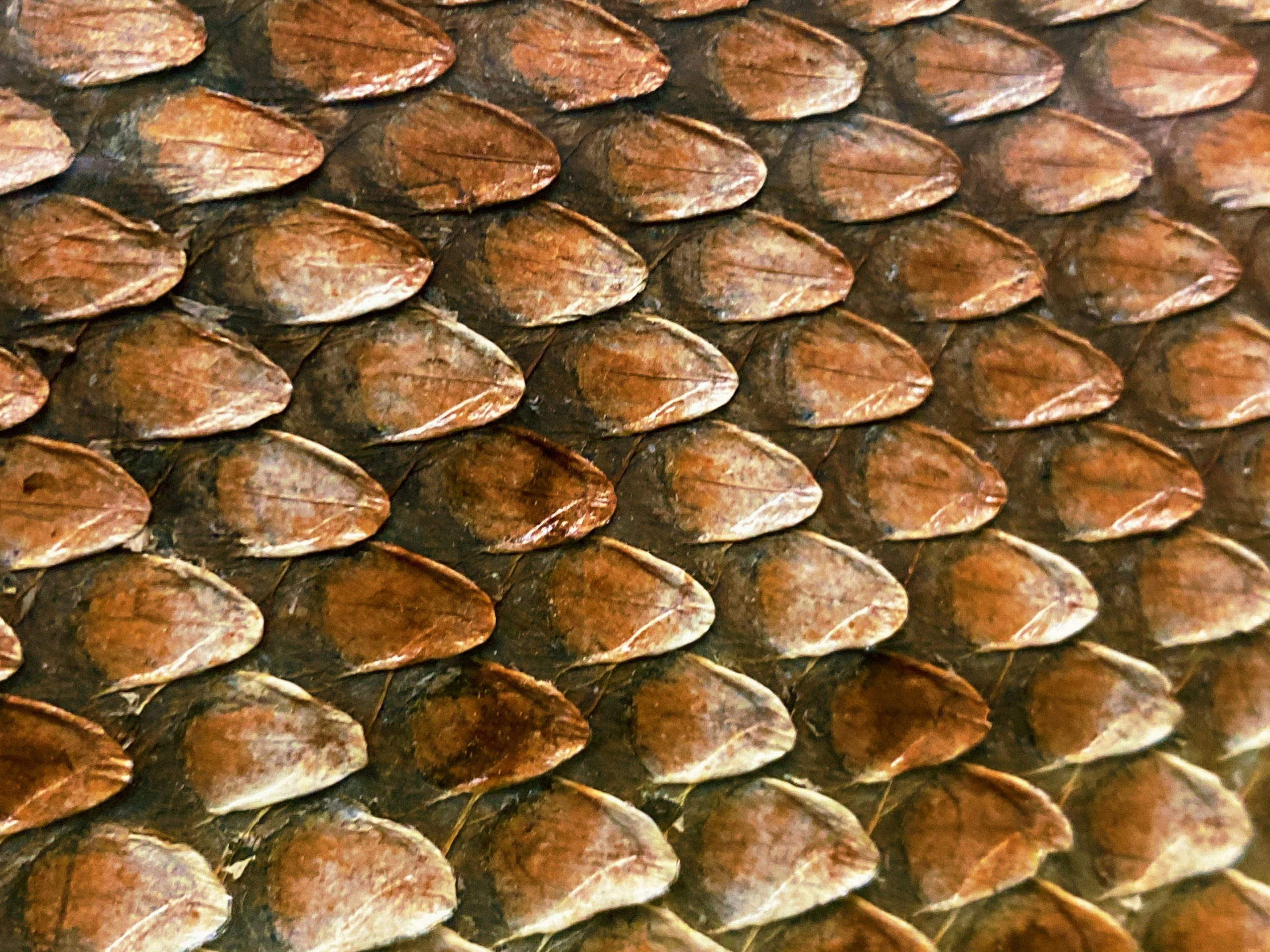
Its camouflage makes this particularly concerning because someone may not recognize the danger until they are already too close.
The safest approach is simple: never try to touch, capture, frighten, or kill a snake you cannot confidently identify.
Even experienced wildlife observers should give venomous snakes plenty of space.
What to Do If You Find a Venomous Snake Near Your Home
A snake in a yard can create an understandable sense of urgency, especially when children or pets are nearby.
However, trying to remove it yourself is one of the worst decisions you can make.
If you encounter a potentially venomous snake, follow these basic precautions:
1. Keep your distance. Do not approach the animal to get a closer look or attempt to identify it by touching it.
2. Move children and pets away. Keep everyone out of the area and prevent anyone from approaching the snake.
3. Do not attempt to capture or kill it. Even a snake that appears motionless can strike if disturbed.
4. Contact qualified local wildlife professionals. Depending on your location, this may mean a wildlife authority, animal-control service, or trained snake-removal professional.
5. Avoid disturbing the surrounding area. Do not move branches, leaves, or objects close to the snake in an attempt to make it leave.
If someone is bitten, seek emergency medical assistance immediately. Do not wait for symptoms to become severe.
The U.S. Centers for Disease Control and Prevention also advises people to keep away from snakes, protect pets, and avoid trying to chase or kill them.
These precautions are useful regardless of whether the animal is eventually identified as a Gaboon viper or another species.
Why This Snake Matters to Its Ecosystem
It is easy to view a venomous snake only as a threat, particularly after learning how dangerous its bite can be.
But Gaboon vipers also serve an important ecological purpose.
As predators, they help regulate populations of rodents and other small animals. This contributes to the balance of the ecosystems in which they live.
Rodents can affect agricultural production, spread disease, and compete with other wildlife for resources. Predators that naturally control their numbers play a role in maintaining healthy ecological systems.
That doesn’t mean people should welcome venomous snakes into areas where they could endanger families or pets. It means that these animals have a place in nature and should be handled through responsible wildlife management rather than unnecessary killing.
Their survival also depends on suitable habitat. Forest loss, human activity, and the collection of wild animals can create additional pressures on snake populations.
Understanding their ecological role helps replace fear with informed caution.
The Most Important Lesson From a Hidden Snake
Thinking back to the morning encounter, what stands out most is not the snake’s size or the length of its fangs.
It is how easily it blended into its surroundings.
Something that initially appeared to be a harmless collection of leaves turned out to be a powerful predator with an effective natural defense.
The experience is a reminder that the outdoors deserves attention, especially when walking through areas with thick vegetation, fallen leaves, or limited visibility.
It is also a reminder that wildlife should never be judged only by how threatening or harmless it appears.
The Gaboon viper is not a monster searching for people to attack. It is a specialized predator that depends on camouflage and patience to survive. But its venom makes accidental encounters potentially serious.
The best response is not panic or curiosity. It is distance, caution, and respect.
Sometimes, the safest thing you can do when nature reveals something unexpected is simply to stop, step away, and leave it undisturbed.
