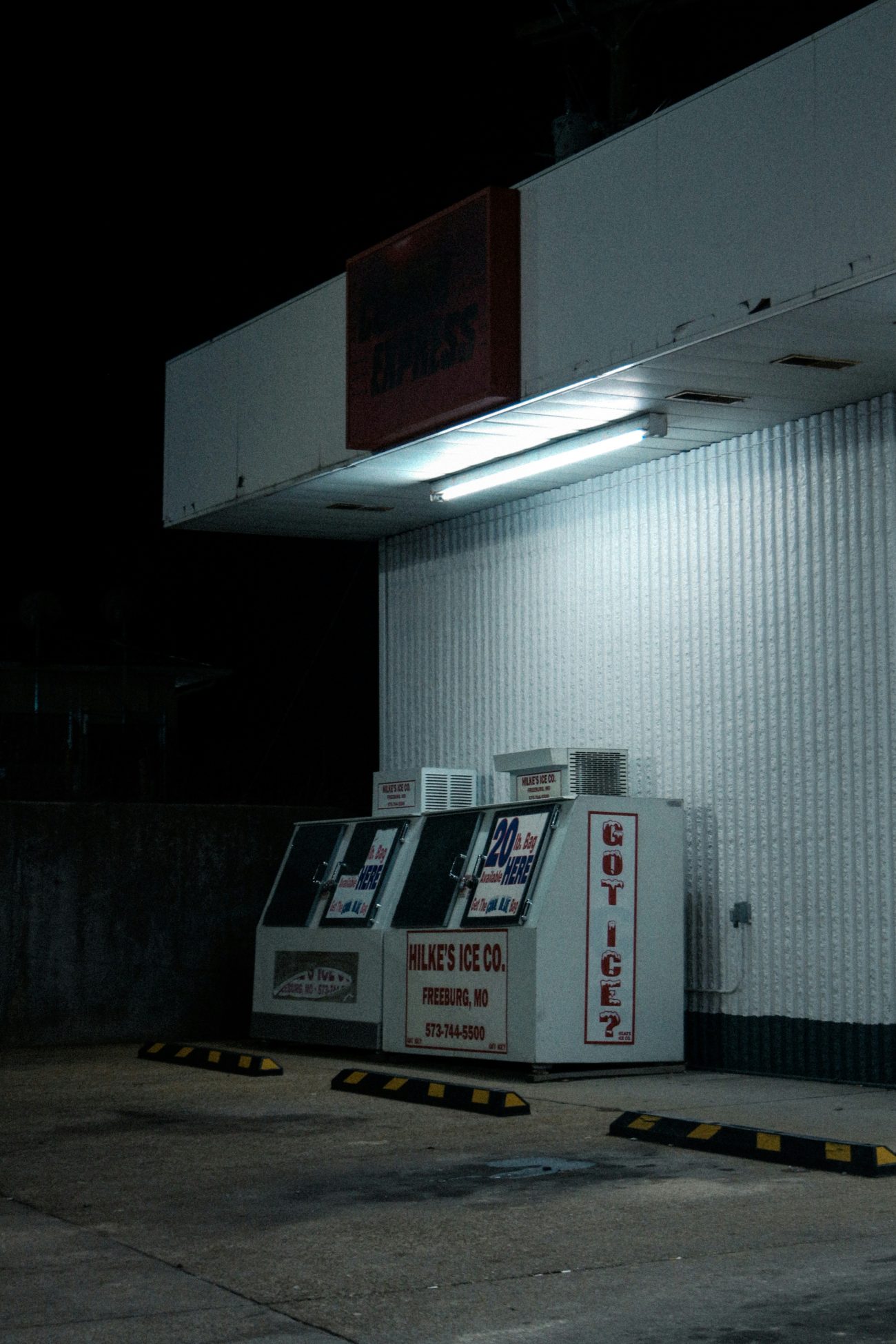
By morning, the woman had become another customer I would probably never see again.
I didn’t tell Lydia about what happened.
It wasn’t because I thought I had done something wrong. I simply didn’t consider it important enough to bring up.
I also knew how carefully she calculated every dollar.
Five dollars could make a difference to us. It could buy groceries or help cover transportation costs.
I imagined her looking at me, doing the math in her head, and saying that it was kind of me to help.
And I knew we’d both be thinking about what that five dollars could have paid for at home.
So I kept quiet.
Then Our Water Heater Broke
The following week was difficult.
The water heater finally gave out.
It had been making strange noises for months, but that Wednesday morning it stopped working completely.
Lydia discovered the problem halfway through her shower.
The water suddenly turned ice cold.
A plumber came to inspect it later that day. He spent only a few minutes looking at the old unit before delivering the news.
It was about fifteen years old, badly rusted, and beyond repair.
A replacement would cost approximately $1,100, including installation.
That evening, after the children went to bed, Lydia and I sat at the kitchen table.
She had the checkbook open, along with our credit card statement and a yellow notepad covered in calculations.
“We can put it on the credit card,” she finally said.
“The credit card’s almost maxed out,” I replied.
“I know.”
“The interest rate is twenty-four percent, Lyd.”
“I know, Ross.”
She put down her pen and covered her face with both hands.
I reached across the table and rested my hand on her back.
“I can pick up an extra shift,” I suggested. “Jenkins said he needed somebody on Sundays.”
“You already work five nights a week.”
“I can work six.”
She looked at me, and I could see how exhausted she was.
“You can’t keep doing this,” she said. “You’re forty-nine years old. You’re completely worn out. You fell asleep in the shower on Sunday. I heard you hit the wall.”
“I’m fine.”
“No, you’re not. Neither of us is fine.”
I didn’t have an answer.
The refrigerator hummed in the background. Outside, the neighborhood was quiet.
We sat there knowing we had another expense we couldn’t comfortably afford.
For the rest of that week, we managed with cold showers. Lydia heated water in large pots so we could at least wash our faces with something warm.
The children complained, understandably.
Caleb joked that cold showers violated his human rights. Maddie tried to convince everyone that they were good for circulation, but she lasted only a few seconds before rushing out of the bathroom.
We laughed about it occasionally, but the situation wasn’t funny.
We were running out of room to absorb another problem.
The Envelope on Mr. Jenkins’s Desk
The following Thursday, I arrived at the Pit Stop for my usual shift.
Mr. Jenkins was there unusually early.
He normally handled most of his business during the day, but that night he was waiting near the entrance when I clocked in.
“Ross,” he said. “Come back to my office for a minute, would you?”
His office was a small room behind the stockroom. It had a metal desk, an old computer, and an oil-company calendar that hadn’t been changed since August.
He stood beside the desk with his arms crossed.
“Sit down, Ross.”
I stayed standing.
Then he asked whether I had paid for a customer’s groceries the previous Friday around 11:30.
He described the woman and her little boy.
