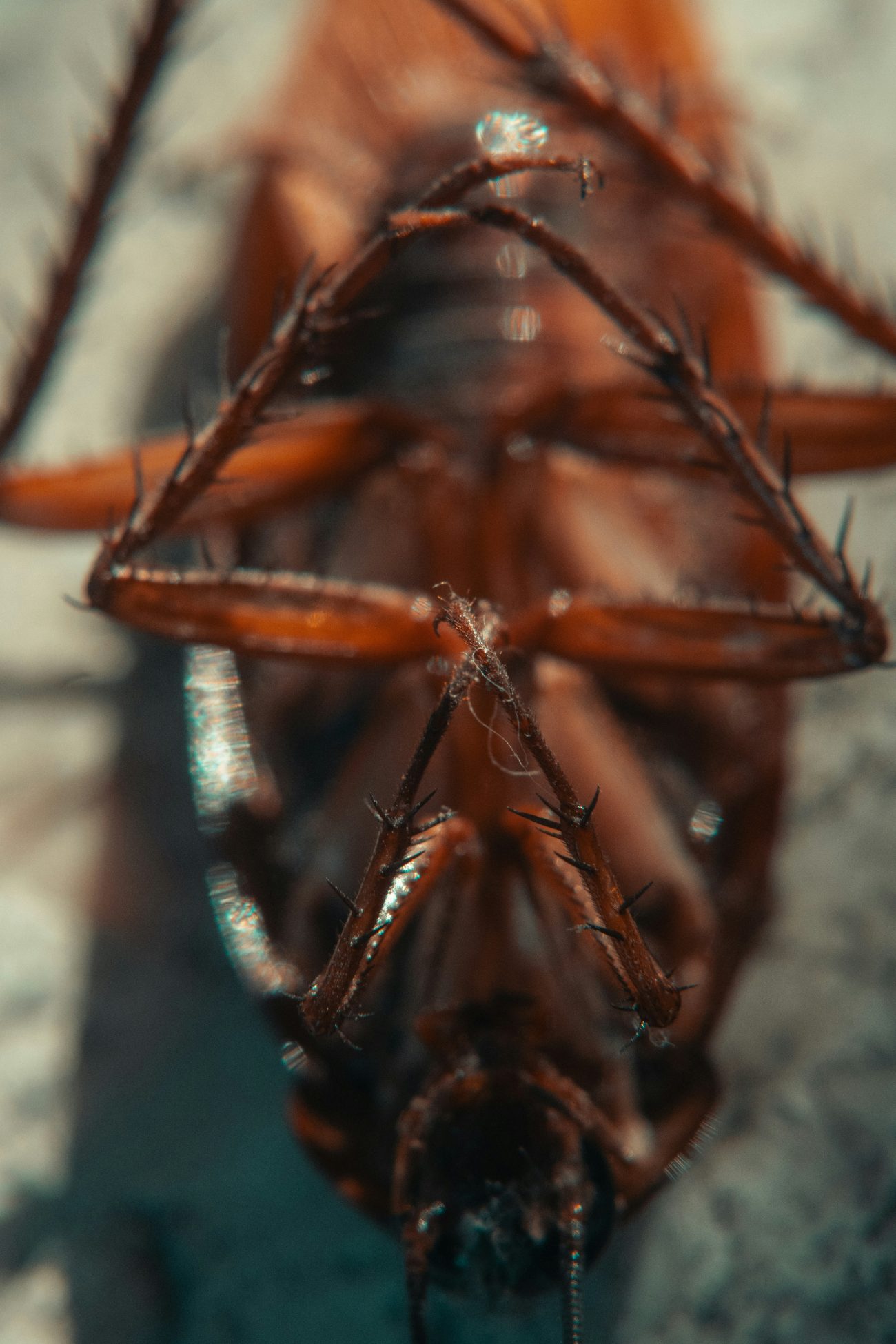
It is also useful when escaping danger.
When a light suddenly comes on or someone approaches, the centipede may race toward the nearest dark hiding place. This is why people often describe seeing one disappear almost instantly.
Its movement can appear chaotic, but it serves a practical purpose: finding food while avoiding larger threats.
The next time one suddenly darts across the floor, remember that it is probably more interested in getting away from you than approaching you.
Should You Kill a House Centipede When You Find One?
That depends on your comfort level, but there is no automatic need to kill every house centipede you encounter.
Because they prey on other household arthropods, some homeowners choose to leave them alone. Others prefer to remove them carefully, particularly when they appear in bedrooms, kitchens, or areas where children and pets spend time.
Both reactions are understandable.
If you would rather avoid having them indoors, the most effective long-term approach is to make your home less attractive to them.
That means addressing the conditions that allow them to find shelter and food.
Reduce Excess Moisture
Start by checking for leaking pipes, dripping faucets, damp walls, and water collecting around sinks or appliances.
Bathrooms, laundry rooms, and basements deserve particular attention. Repairing leaks and improving ventilation can make these spaces less inviting to moisture-loving pests.
A dehumidifier may also help in areas that remain damp despite normal ventilation.
Seal Cracks and Small Openings
House centipedes can enter through surprisingly small gaps.
Inspect spaces around pipes, doors, windows, foundation walls, and floor openings. Seal appropriate cracks and use weather stripping or door sweeps where necessary.
Reducing access to sheltered spaces can help prevent them from entering the home.
Reduce the Insects They Feed On
Because house centipedes are predators, controlling their food supply can help discourage them.
If you regularly see silverfish, cockroaches, spiders, or other small pests, investigate why they are appearing. Keep food stored properly, remove unnecessary clutter, and address any conditions that support insect activity.
Sticky insect-monitoring traps can also help reveal which small creatures are present and where they are most active.
The goal is not simply to remove the centipede. It is to understand why the home is providing suitable conditions for it in the first place.
Keep Storage Areas Clean and Dry
Cardboard boxes, unused storage materials, and clutter can create sheltered places where insects and centipedes hide.
Keeping basements, closets, and storage rooms organized makes it easier to spot unwanted activity and reduces the number of places where pests can remain undisturbed.
These steps are generally more useful as a first response than immediately reaching for pesticides.
Does Seeing One Mean You Have an Insect Problem?
Not necessarily.
A single house centipede does not prove that your home has an infestation. It may have entered accidentally or found its way inside while searching for food.
However, frequent sightings deserve attention.
Because these animals are predators, a home with a regular supply of suitable prey may support more centipedes. If you repeatedly find them in the same area, it is worth checking for other insects and looking for moisture or structural openings.
The important distinction is between occasional sightings and a persistent pattern.
If you see one in the bathroom once, there may be little reason to worry. If you regularly find several in different rooms, consider inspecting the property more carefully or contacting a pest-control professional to identify the underlying issue.
Treating the conditions that attract them is usually more effective than focusing exclusively on the centipedes themselves.
The Strange Beauty of an Unwelcome Houseguest
Even after learning what house centipedes do, it is difficult to imagine everyone welcoming them into their homes.
