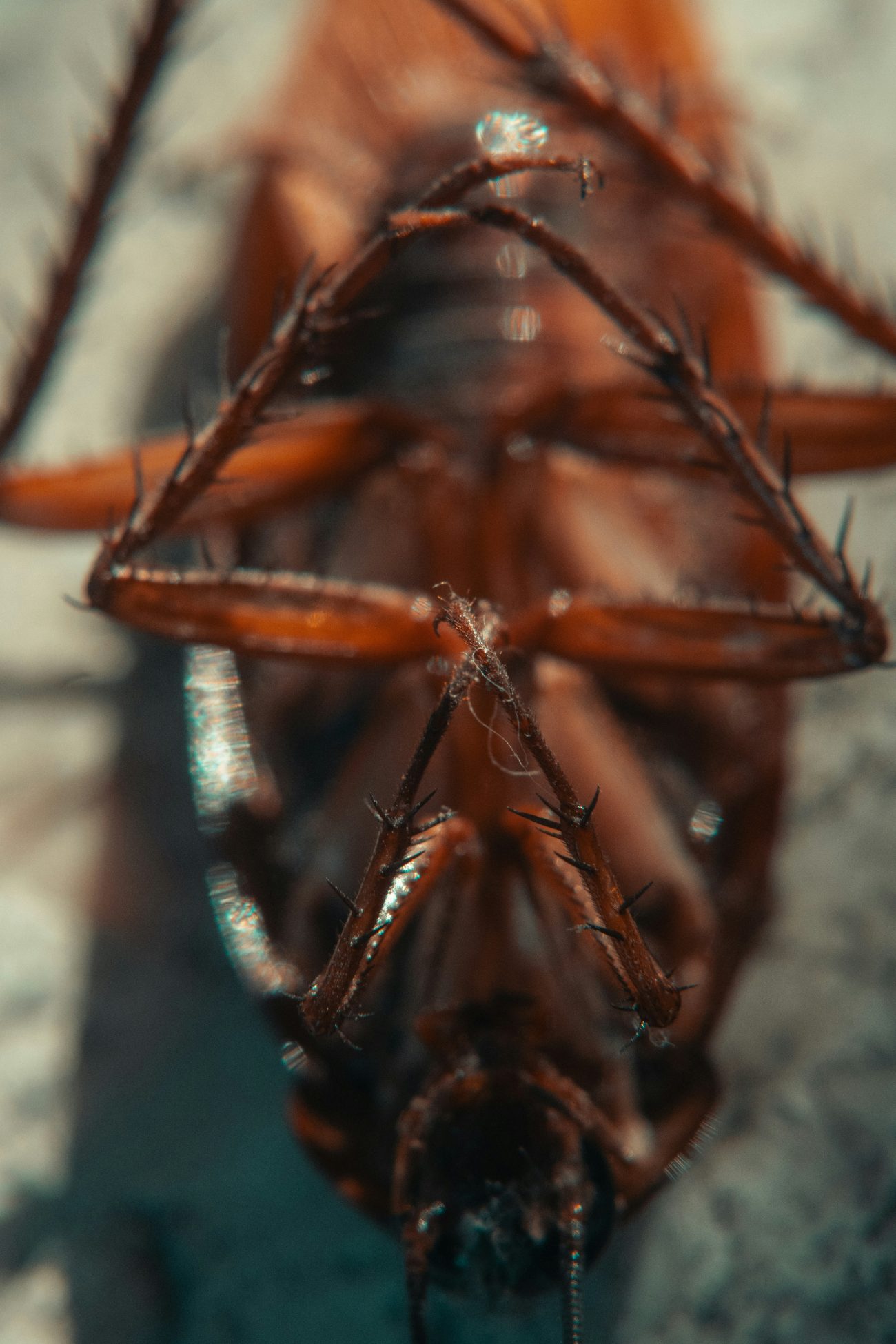
Moisture is an important part of the picture, but it is not the only factor.
A house centipede also needs something to eat. If a home provides a steady supply of small insects and other arthropods, it may offer a suitable hunting ground.
That is why a centipede appearing indoors can sometimes be a useful clue. It may indicate that the environment is providing both shelter and food for small pests.
However, seeing one does not automatically mean a home has a serious infestation. A single centipede may simply have entered through a small opening or found its way into a suitable hiding place.
Repeated sightings are more useful as a reason to inspect the home for moisture problems and other insect activity.
The Surprising Creatures House Centipedes Hunt
The biggest surprise for many homeowners is what these fast-moving predators actually eat.
House centipedes are hunters. They capture and consume other small arthropods, including insects and spiders.
Their prey can include:
- Silverfish
- Cockroaches, particularly smaller ones
- Spiders
- Carpet beetle larvae
- Firebrats
- Flies and other small insects
- Other small arthropods
Some sources also report that house centipedes can feed on bedbugs under certain conditions. However, that does not mean they provide reliable bedbug control or can replace professional treatment when an infestation occurs.
The same caution applies to termites. Although centipedes are predators of other small creatures, homeowners should never assume that finding one will solve a termite problem.
Their diet is varied, but their ability to control household pests is limited and unpredictable.
Still, their hunting behavior explains why pest specialists often describe them as beneficial predators.
Unlike insects that feed on stored food, damage fabrics, or contaminate household spaces, house centipedes spend their time searching for other small creatures.
They are not interested in your groceries, furniture, or clothing. They are looking for prey.
In a strange way, the animal that looks like it belongs in a horror movie may be helping to keep some unwanted visitors under control.
Are House Centipedes Dangerous to People?
The word centipede can make people think of painful bites and venom. That concern is understandable because centipedes are predators that use venom to subdue their prey.
House centipedes do possess venomous appendages, but they are not generally considered a significant threat to people.
Their venom is used primarily to capture and immobilize small animals. They do not normally seek out humans, and biting is uncommon.
A bite may occur if a centipede is handled, trapped against the skin, or crushed. If one does happen, it can cause localized pain, redness, swelling, or irritation. Some descriptions compare the discomfort to a bee sting, although reactions can vary.
The best approach is not to pick one up with bare hands.
If you find a house centipede indoors, there is usually no reason to touch it. You can leave it alone, remove it with a container and stiff piece of paper, or use a vacuum if you prefer not to get close.
If a bite causes severe pain, significant swelling, or symptoms that concern you, seek medical advice rather than assuming every reaction will be mild.
For most people, however, the greater problem is psychological rather than medical.
A house centipede can look alarming without posing a serious danger.
Why Do They Move So Fast?
Speed is one of the defining characteristics of the house centipede.
Its unusually long legs allow it to move rapidly across different surfaces while maintaining contact with the ground. The legs also help it navigate around obstacles and pursue small prey.
That speed is useful when hunting. A house centipede must be able to catch creatures that can move quickly themselves, and its body is adapted for sudden bursts of movement.
